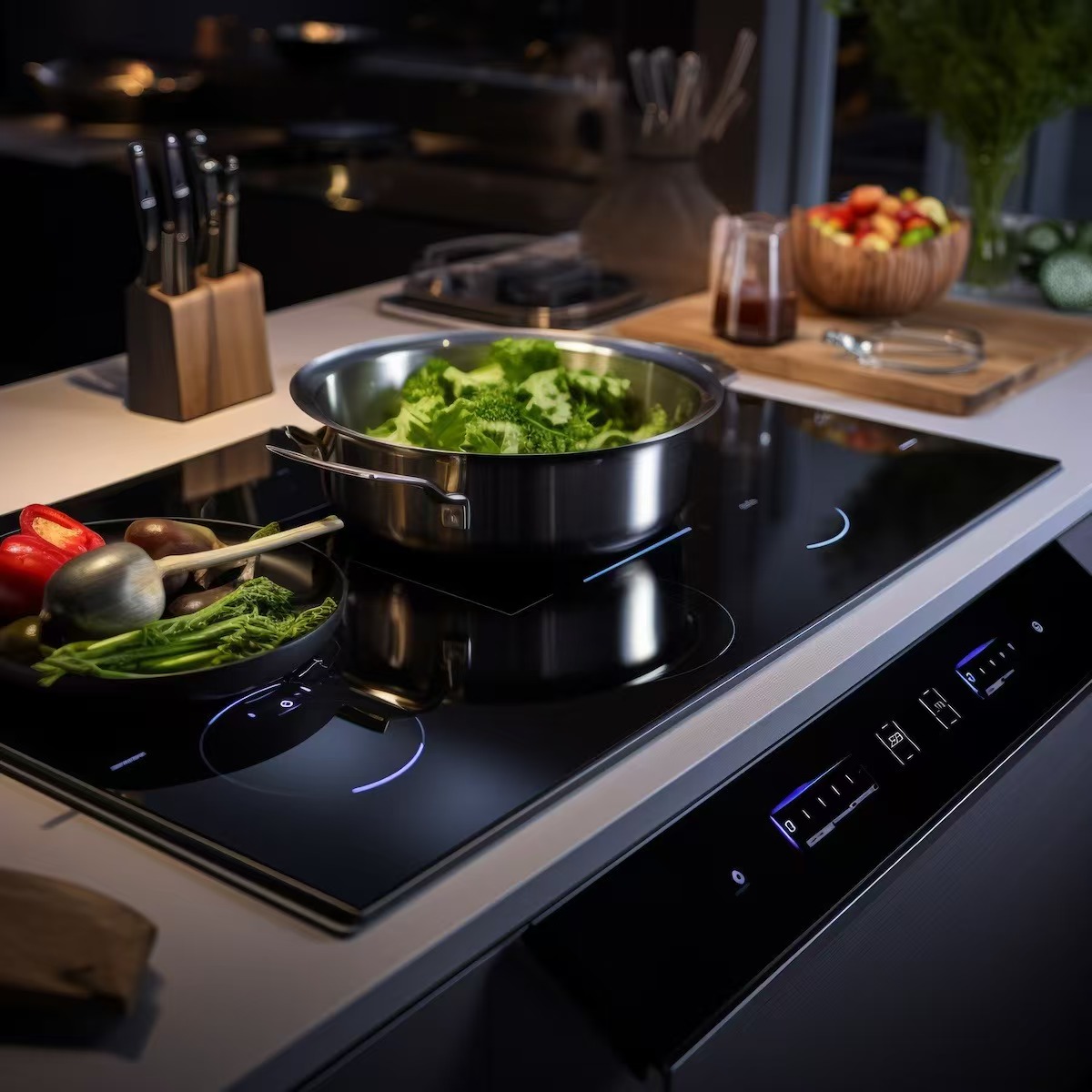
An induction hob butter warmer should be chosen for a small measured task: melting or warming a modest quantity and transferring it cleanly. Start with the exact warmer’s induction approval and the hob’s requirements for a small pan base. A magnetic underside alone does not settle detection, stability or useful control. Then check whether the handle, pouring lip and receiving container let you finish the task without reaching over the glass. If the hob does not recognize the warmer, stop and follow the appliance instructions rather than adding improvised metal objects or running the vessel empty.
A miniature pouring vessel is not simply a large saucepan reduced in scale. It may hold only a small amount of food, have a narrow supporting bottom and carry much of its leverage through one long handle. These features matter together. A vessel that looks convenient on a shelf may be awkward beside another pan or may fail the appliance’s cookware recognition requirements.
The All-Clad butter-warmer product page identifies an individual pouring vessel and its intended warming tasks. Use that description to establish what the product is, then check the current induction and care information for the purchased version. This is a documented example of a cookware category, not a recommendation to buy a particular brand or a statement that Kanger supplies that warmer.
This guide addresses small-quantity handling. The broader induction saucepan selection guide covers general saucepan selection, while usable pan-base measurement explains how to record the usable bottom. Keeping those questions separate prevents the nominal capacity of a small warmer from becoming an unsupported claim about hob compatibility.
Ask for the model identifier, material description, base dimensions and heat-source designation in one record. A listing photograph showing a polished exterior does not establish the magnetic construction beneath it. If the supplier offers several similar sizes, request the documentation for the actual size being ordered rather than accepting a family-level description.
For purchasing teams, a photograph of the underside and the current instruction sheet is more useful than an isolated compatibility icon. Record whether information comes from the maker or a reseller. Resolve conflicting statements before purchase, especially when a decorative serving warmer and a stovetop cooking vessel share similar names. Neither a candle warmer nor an electric serving accessory should be assumed suitable for placement on an induction zone.
ENERGY STAR explains induction as heating compatible cookware through electromagnetic energy. That describes the heating principle; the exact appliance manual still controls permitted cookware and recognition behavior. Check the specified minimum base requirement, the usable zone and the recommended positioning for that hob. Do not borrow a minimum dimension from a different appliance or treat the painted circle as a universal detection boundary.
With everything cold, identify the flat supporting area beneath the warmer. Keep the rounded upper walls, pouring lip and handle out of that measurement. A small vessel can have a visually broad mouth but a much narrower bottom. If the appliance and cookware documentation cannot establish a suitable combination, select an approved alternative vessel rather than planning to force recognition during cooking.
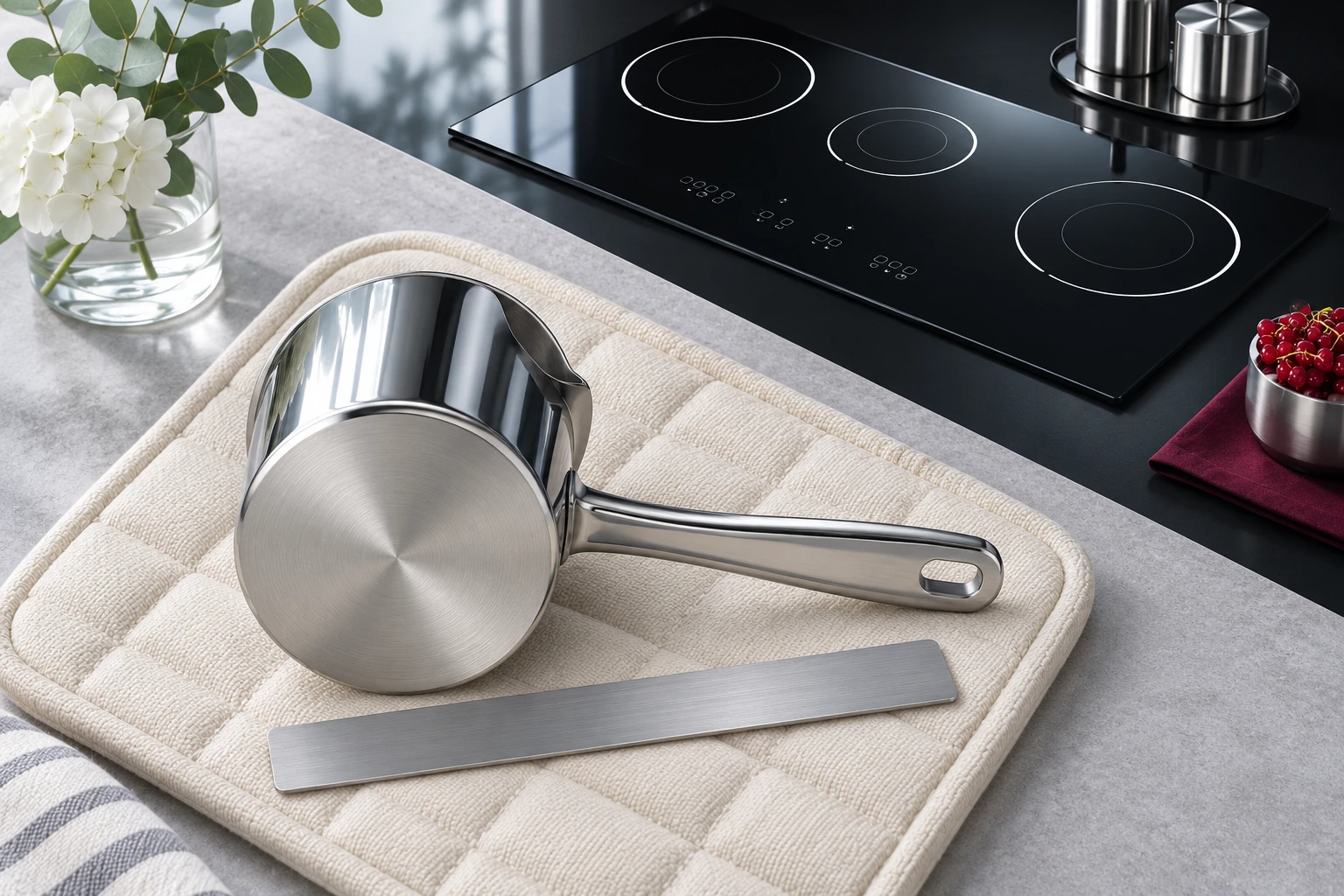
Write down what will be warmed and where it will go. A small portion for brushing a dish has different handling needs from a sauce that must be stirred and transferred repeatedly. Use the vessel’s working-fill guidance; a nominal capacity is not a promise that a brim-full vessel can be moved or poured safely. Leave the exact permitted amount to the maker and the recipe’s requirements.
Choose a receiving bowl or jug that stands steadily on a suitable separate surface. Make sure the lip can approach it without the warmer’s handle catching another item. A narrow receiver may demand more accuracy than a broad bowl. Rehearse the cold movement with an empty vessel before preparing ingredients, checking sight lines and the route back to a permitted landing support.
| Decision | Evidence to record | If unresolved |
|---|---|---|
| Warmer identity | Exact model and stovetop approval | Request current documentation |
| Small base | Usable bottom and appliance requirement | Choose suitable approved vessel |
| Quantity | Task and manufacturer working-fill guidance | Do not assume brim-full use |
| Control | Permitted heating method and observation | Do not use empty heat workaround |
| Transfer | Clear lip, receiver and grip route | Rehearse cold before cooking |
| Landing | Permitted separate support ready | Rearrange before applying heat |
This qualitative checklist organizes the identified manufacturer and government guidance linked below. It does not supply universal limits or measured performance.
Small quantities make an unattended routine particularly unhelpful: there is less food in the vessel, and a familiar control number from a larger saucepan does not establish an appropriate setting. Follow the identified appliance and cookware instructions for heating, avoid empty preheating unless specifically instructed, and stay with the task. Do not use a maximum setting merely to overcome a detection message.
Observe the food and the vessel’s response rather than imposing a universal melting time. This guide does not prescribe a setting, temperature or guaranteed heating rate. If the result changes unexpectedly, stop and consider the quantity, starting condition, placement and permitted equipment combination. U.S. Fire Administration cooking guidance supports maintaining attention and a clear cooking area; it is not a product-specific butter-warming procedure.
A long handle provides a place to hold, but its material and permitted handling conditions must come from the maker. Do not infer that a metal handle remains cool. Prepare suitable dry hand protection when required and keep it clear of the cooking area. The dry oven-glove grip preparation guide explains the preparation and grip questions without assigning a universal glove rating.
A pouring lip helps direct a stream only when the vessel is controlled. Check whether the handle’s direction fits your working position and whether the rim offers a clear view of the receiver. Do not rest the lip against an unstable bowl or use the glass edge as a support. If liquid runs down the outside, stop after placing the vessel safely and address the spill according to the relevant surface-care instructions.
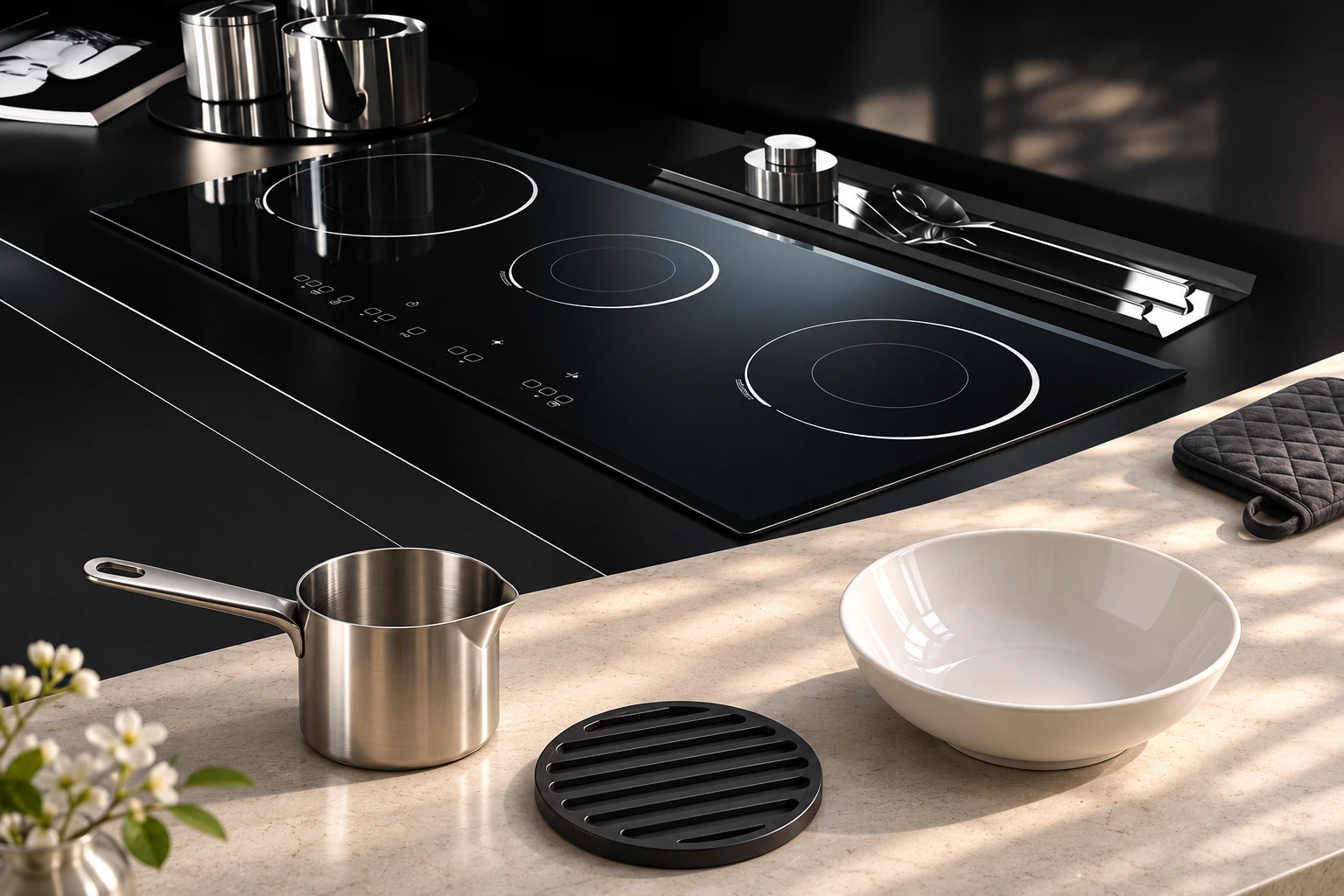
Prepare a landing place that the support and worktop manufacturers permit for the vessel’s condition. The cooktop controls are not a serving shelf, and an unused zone may still be affected by earlier cooking. Keep the transfer route free of packaging, loose utensils and cloths. Arrange the receiver before heat is applied so that reaching for it does not become part of the hot movement.
Think through an interruption as well as a successful pour. If the receiver moves or the grip feels uncertain, you need somewhere appropriate to put the warmer down immediately. Avoid a sequence that depends on holding a hot vessel while searching for space. A cold rehearsal can reveal this problem without exposing the glass panel, food or person to a rushed maneuver.
Separate recognition failure from dissatisfaction with warming speed. A no-pan message calls for the appliance’s diagnostic sequence, including approved placement and compatible cookware. Repeatedly sliding the warmer around, increasing power or putting a loose disc underneath it is not a substitute for that sequence. Adapter use requires explicit approval and instructions from the relevant manufacturers.
If an approved warmer still fails recognition, record the appliance model, vessel model, base measurement and the actual displayed message. Contact the appropriate service channel with those facts. A supplier can assess a specific combination more effectively than a report that a small pot does not work. Do not attribute the problem to the glass material merely because the vessel rests on a glass surface.
Allow the warmer to reach the condition required by its care instructions before washing. Follow the finish-specific method rather than applying the hob cleaner to the cookware or cookware chemicals to the glass. Pay attention to permitted cleaning around the lip, rim and handle connection, then rinse and dry as directed. Do not use aggressive tools to chase a deposit without confirming they are allowed for that finish.
Inspect the supporting bottom before returning the vessel to service. Residue, unresolved damage or an insecure handle needs attention through the appropriate care or service process. General stainless cookware and base guidance can help organize material and base questions. It does not override the identified warmer’s own restrictions or approve a repair.
Kanger’s black glass-ceramic cooktop panels belong to the appliance surface and component discussion. They are separate from the cookware’s construction and from the complete appliance’s detection and power controls. A glass component enquiry should therefore describe the relevant panel and application rather than asking the glass supplier to certify an unspecified butter warmer.
For repeat purchasing, retain the approved vessel and appliance identifiers, the actual base information, the handling arrangement and any manufacturer clarification. Recheck that record when either item changes. A replacement that looks identical can carry different instructions. This practical record supports a repeatable small-quantity workflow without converting one successful use into a general compatibility claim.
The video below explains why cookware and the induction system must be considered together. It provides background for the small-base question, not a butter-melting recipe, an approval of this warmer or a test of a Kanger panel. The written checks above remain necessary even if a demonstration uses a different vessel successfully.
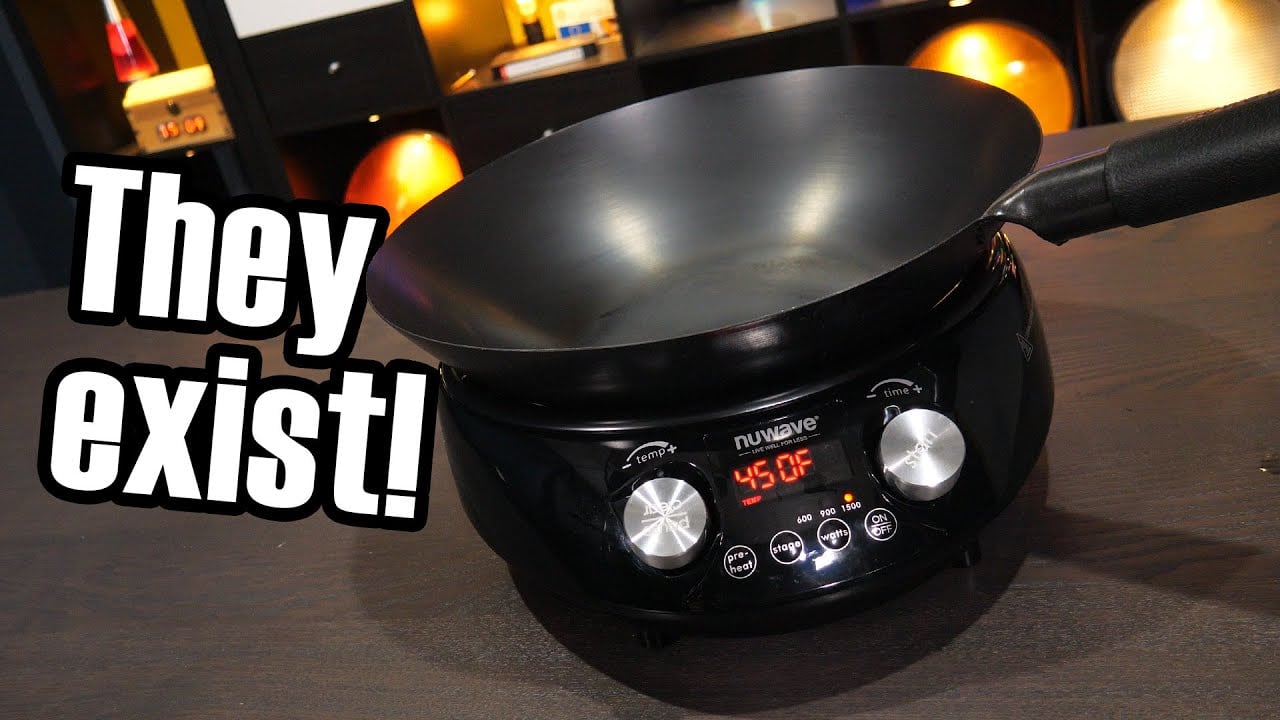
Video: Induction cooking – but what about woks?, Technology Connections. Open the educational video on YouTube.
No. Check the exact warmer’s approval, usable bottom and the appliance’s cookware requirements. Magnetism is useful preliminary information, but it does not establish recognition for a particular small vessel and zone.
Do not use empty heating as a detection workaround. Follow the appliance diagnostic instructions and the cookware care limits. Choose a suitable approved alternative if the small warmer does not meet the stated requirements.
No. A controlled pour still depends on the grip, receiving vessel and clear movement route. Rehearse with cold empty equipment and prepare a permitted landing support before heating.
The panel is one component of the appliance. Cookware suitability and detection depend on the complete identified system and its instructions. Ask the appliance and cookware makers about the actual combination.
Cookware makers are cited for their own cookware documentation, not as competing glass suppliers or endorsements of Kanger. These sources do not certify the illustrated arrangement. Exact model and appliance instructions control each use.