An induction stovetop kettle with limescale needs a kettle-specific cleaning decision, separate from cleaning the glass hob. First identify the exact kettle and its interior finish, let it cool, and consult the current care instructions. Use only a descaler and procedure permitted for that vessel. Do not transfer the same chemical to the cooktop, treat every pale deposit as harmless scale, or try to remove it with an improvised abrasive. If the surface appears chipped, blistered or damaged, ask the manufacturer before further use. This guide explains the preparation, evidence and inspection workflow rather than prescribing a universal acid recipe.
Induction compatibility describes an interaction between cookware and an appliance. It does not tell you which chemical is acceptable inside the kettle. Two induction-designated kettles can have different interiors, fittings and maintenance instructions. An attractive stainless exterior can also conceal a different interior construction. Record the maker, model, capacity variant and any identification printed beneath the cold vessel before choosing a cleaning product.
Our induction hob kettle selection guide addresses base recognition, filling and pouring. The task here starts after that choice: distinguishing a maintenance instruction for the water-contact interior from a procedure for the outside base or appliance surface. Keep those three surfaces separate in your notes. A statement allowing a kettle descaler inside a vessel is not permission to soak its handle, immerse the whole kettle, or apply it to the hob.
The Le Creuset kettle care instructions describe mineral buildup and permit a gentle proprietary descaler when required, following the applicable instructions. That example establishes the value of using a documented maintenance method; it does not approve every descaler for every finish. Read both the vessel instructions and the cleaning-product label before opening a bottle. Resolve contradictory directions with the responsible manufacturer.
Look for the intended appliance category on the cleaner. Products sold for coffee machines, bathrooms and glass surfaces can have very different directions. A phrase such as removes limescale is insufficient evidence of suitability for a food-contact kettle interior. Avoid substituting a stronger concentration, extending a treatment time or combining products because an online demonstration looks faster. This article deliberately gives no universal dilution or soaking duration.
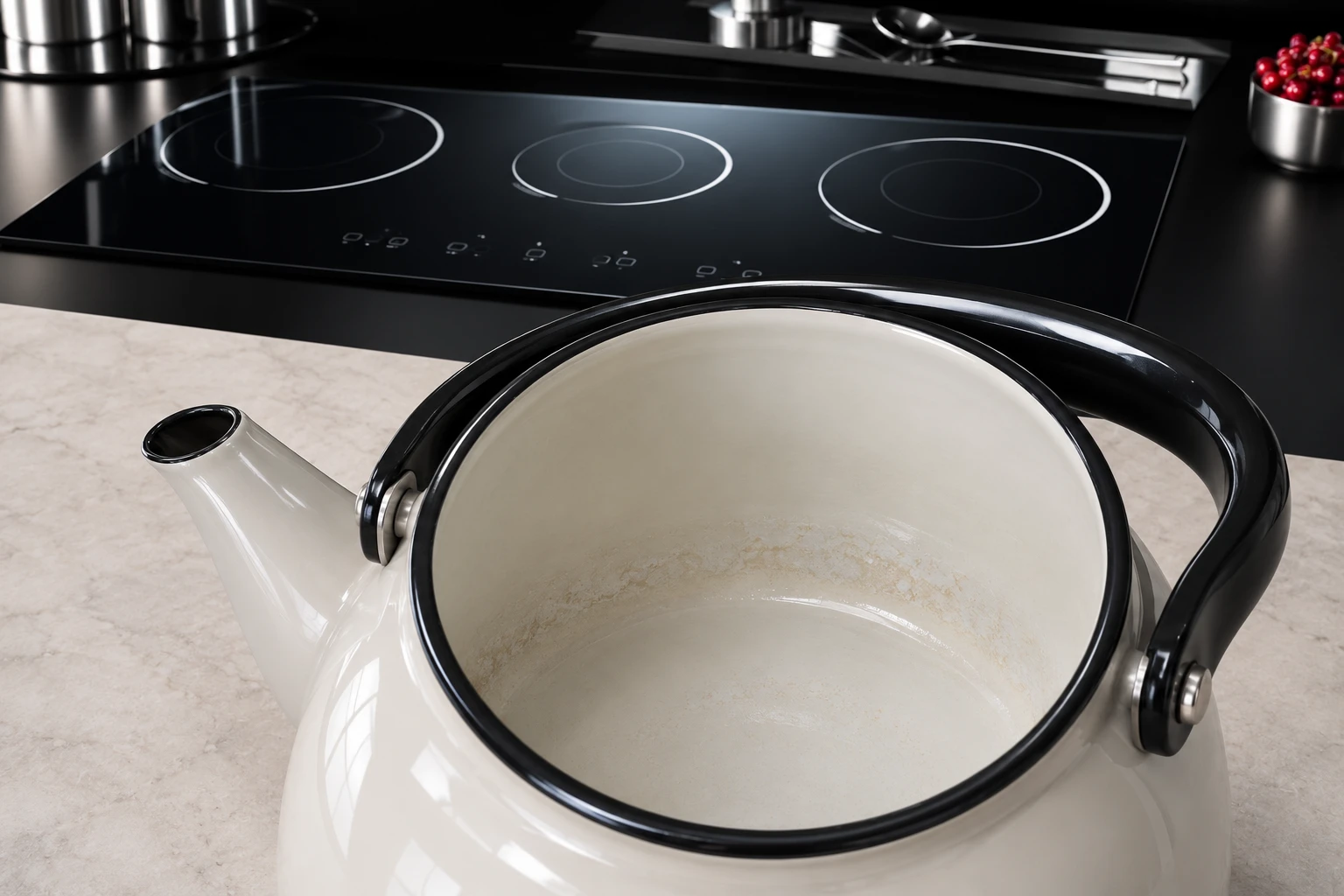
Inspect the cool, empty interior under ordinary good lighting. Describe what you can actually see: a pale film, loose particles, a dark patch, an irregular edge or exposed material. Appearance alone cannot reliably identify every residue or distinguish scale from coating deterioration. Do not probe questionable areas with a knife or attempt to polish away a defect before asking support; that changes the evidence and can worsen damage.
If the kettle leaks, has an insecure handle or shows an apparently damaged interior, take it out of service while obtaining advice. Descaling is a maintenance operation for an otherwise suitable vessel, not a way to repair enamel, tighten structural joints or establish safety after overheating. Photograph the condition before cleaning if identification is uncertain. Include both a close view and a wider view showing the location relative to the spout and base.
Choose a stable, washable work area permitted by the kettle and cleaner instructions. Keep the kettle away from the glass hob during preparation so a spill, gritty cloth or loose deposit does not become a surface-cleaning problem. Put other food-contact equipment aside. Keep the cleaning-product packaging available throughout the task so its identity and directions remain clear.
Wait for the kettle to cool before handling or preparing it, as its instructions require. Do not pour cold liquid into a hot vessel to speed the process. Plan where rinsing water will go, what permitted cloth or sponge will be used, and how the empty kettle will dry. Prepare suitable protection if the approved procedure includes heat, and follow its directions without improvising a new heating sequence. Never heat the kettle empty as a cleaning shortcut.
| Area | Check before treatment | Decision if unresolved |
|---|---|---|
| Interior | Model, finish and permitted descaler | Ask kettle manufacturer |
| Deposit | Film versus an uncertain surface defect | Preserve photographs; seek advice |
| Preparation | Cold vessel and separate washable area | Wait and rearrange workspace |
| Procedure | Vessel and cleaner instructions agree | Do not mix or strengthen cleaners |
| Hob surface | Appliance-specific cleaning directions | Keep kettle chemicals off glass |
| Return to use | Required rinse, assembly and drying complete | Leave out of service until resolved |
This qualitative decision checklist uses the identified manufacturer and government sources below. It does not introduce universal operating limits or measured performance.
Use the exact sequence allowed by the vessel manufacturer and cleaning-product instructions. Some online guides describe vinegar or other household ingredients; those are not interchangeable with a product-specific approval. A method written for a stainless electric kettle cannot automatically be transferred to an enamel stovetop kettle. Where a current manufacturer guide offers more than one option, select the option that applies to your model and follow it completely.
Do not add another cleaner to an existing treatment. If the approved method fails to address the condition, stop and ask what further action is permitted rather than escalating concentration or scraping force. Keep a short record of what was used and when. That information is useful if support needs to assess persistent deposits, discoloration or a possible surface problem, and avoids repeating an unsuitable treatment during the next maintenance cycle.
The kettle exterior can collect spills unrelated to the interior mineral film. Clean it only as its finish and fittings allow, and ensure the contact base is suitably clean and dry before returning the kettle to service. Do not assume the interior cleaner is approved for the outside enamel or the underside. Inspect the base without dragging it across the glass to look underneath.
For the cooktop, use the finished appliance manufacturer's surface-care directions. Our surface-specific burnt food removal article explains why identifying the affected surface matters when addressing residues. Keep used descaling cloths and loose particles off the panel. If something spills on the hob, stop the kettle task and follow the appliance's own spill and cooling instructions. Kanger's black glass-ceramic cooktop panels are components in that environment; they do not supply universal chemical approval for a complete appliance.
Complete every rinsing or preparation step specified for the approved product. Do not decide that the kettle is ready solely because a smell has faded or the interior looks brighter. Check any lid, whistle or removable part according to its instructions, and do not detach components that are not intended for routine removal. Keep the original assembly arrangement rather than experimenting with a different stopper.
Dry and store the vessel as directed. Our cookware drying-rack preparation article covers the separate preparation of cookware drying space, including avoiding crowded storage that puts hard objects against glass. Before the next use, confirm that the base is clear of debris and the handle and lid are secure. If an unexpected residue or changed surface remains, seek model-specific advice before boiling drinking water. Maintenance completion should be based on the procedure, not a cosmetic before-and-after photograph.
A simple record helps a household, shared kitchen or procurement team separate normal upkeep from recurring trouble. Include the kettle identity, the date, the observed condition, the named cleaner and the applicable instructions. Record the outcome in plain terms such as film reduced, deposit remains, or support contacted. Do not record an unmeasured claim that boiling efficiency improved by a particular percentage.
For repeated problems, compare the actual maintenance history with manufacturer advice rather than inventing a fixed monthly schedule. Water conditions and use vary, and a calendar interval copied from a different appliance may be unsuitable. If support recommends a change, retain the instruction with the model record. In a shared workplace, tell the next user when a kettle is out of service so it is not quietly returned to heating during an unfinished cleaning process.
Request separate documentation for induction suitability, interior material, routine cleaning and replaceable parts. A broad compatibility statement is not a complete maintenance specification. Ask whether cleaning instructions vary by finish, market or production revision and how that variation is identified on supplied stock. Keep the relevant instructions with each approved model rather than relying on a generic photograph in a purchasing spreadsheet.
When specifying glass components, review stainless-steel cookware base guidance for the distinction between cookware base construction and the glass surface. Kanger can discuss the referenced glass-panel product in its business context, while the complete appliance and kettle combination still needs responsible project evaluation. Do not turn a component inquiry into an unsupported claim that a particular cleaning chemical is safe across every kettle and panel. Keep supplier answers traceable when either the cookware or appliance changes.
The educational video below explains induction cooking and the interaction with cookware. It gives useful background for understanding why induction designation concerns heating rather than an interior cleaning method. It does not demonstrate descaling, approve a cleaner, or certify any Kanger assembly. The written maintenance directions for the identified kettle remain the controlling source for this task.
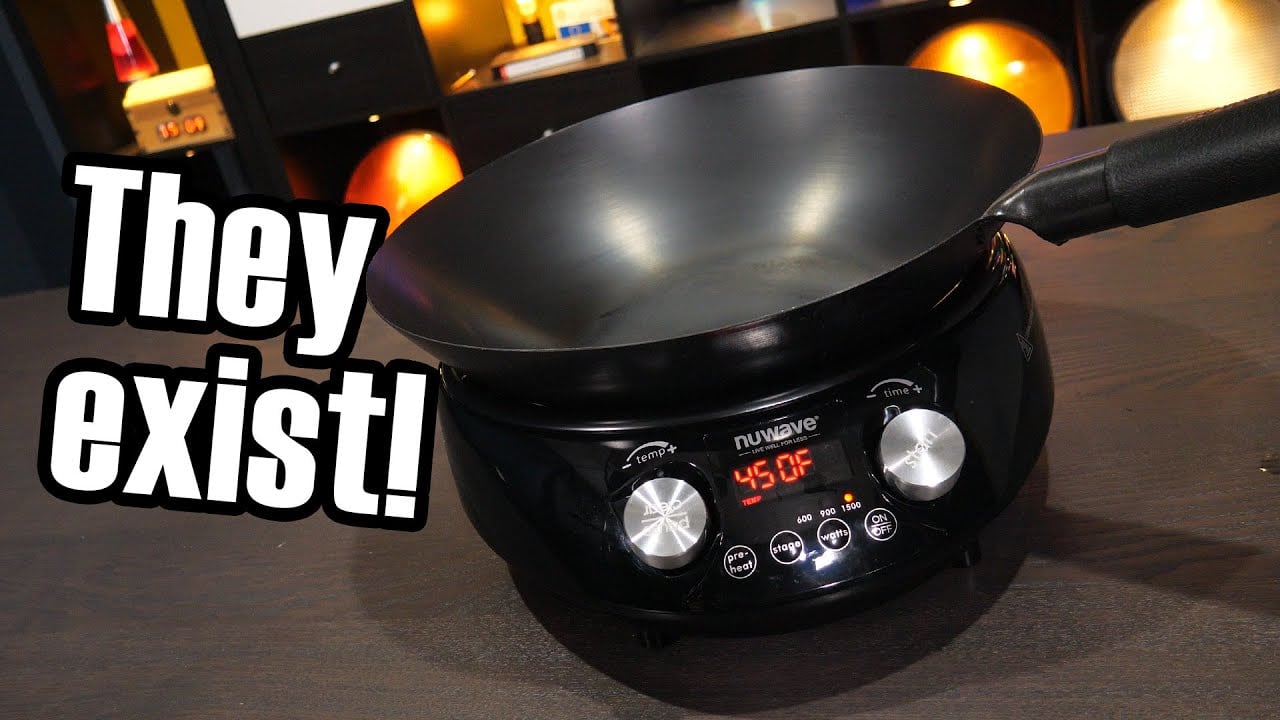
Video: Induction cooking – but what about woks?, Technology Connections. Open the educational video on YouTube.
Only if the kettle and cleaner manufacturers explicitly permit that food-contact use. Surface-cleaner labeling alone does not establish permission for the kettle interior.
No. Use the kettle model, interior finish and current cleaning instructions to choose a permitted product and procedure.
Do not improvise scraping. An uncertain patch may need manufacturer assessment, and a hard tool can damage the finish or alter useful evidence.
No. Descaling addresses permitted maintenance of deposits; suspected coating damage, leaks or insecure parts require the manufacturer's service advice.
These sources explain their identified equipment or general heating and handling principles. Cookware makers are referenced for their own cookware documentation, not as glass-component suppliers or endorsements of Kanger. Exact model and appliance instructions control each application.



