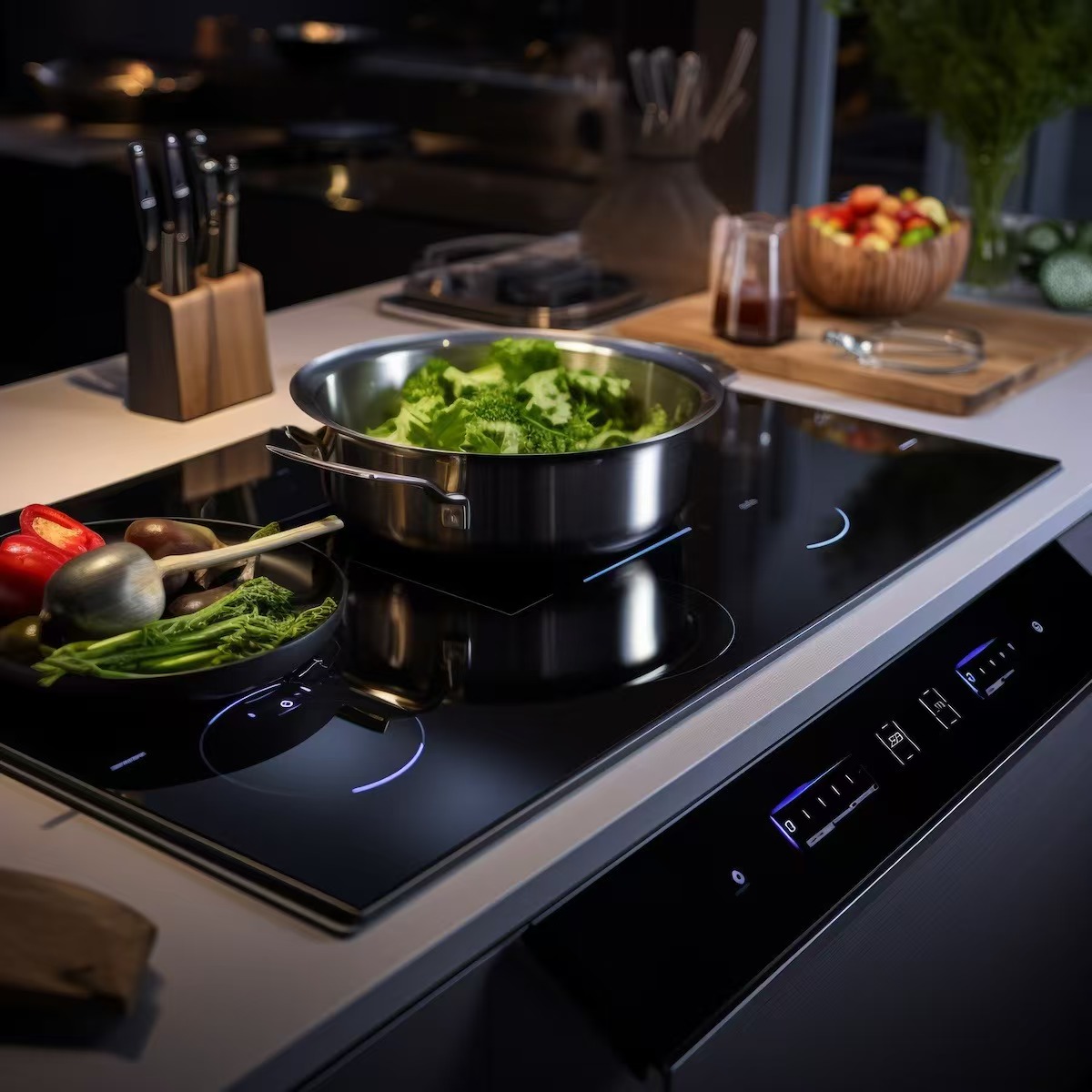
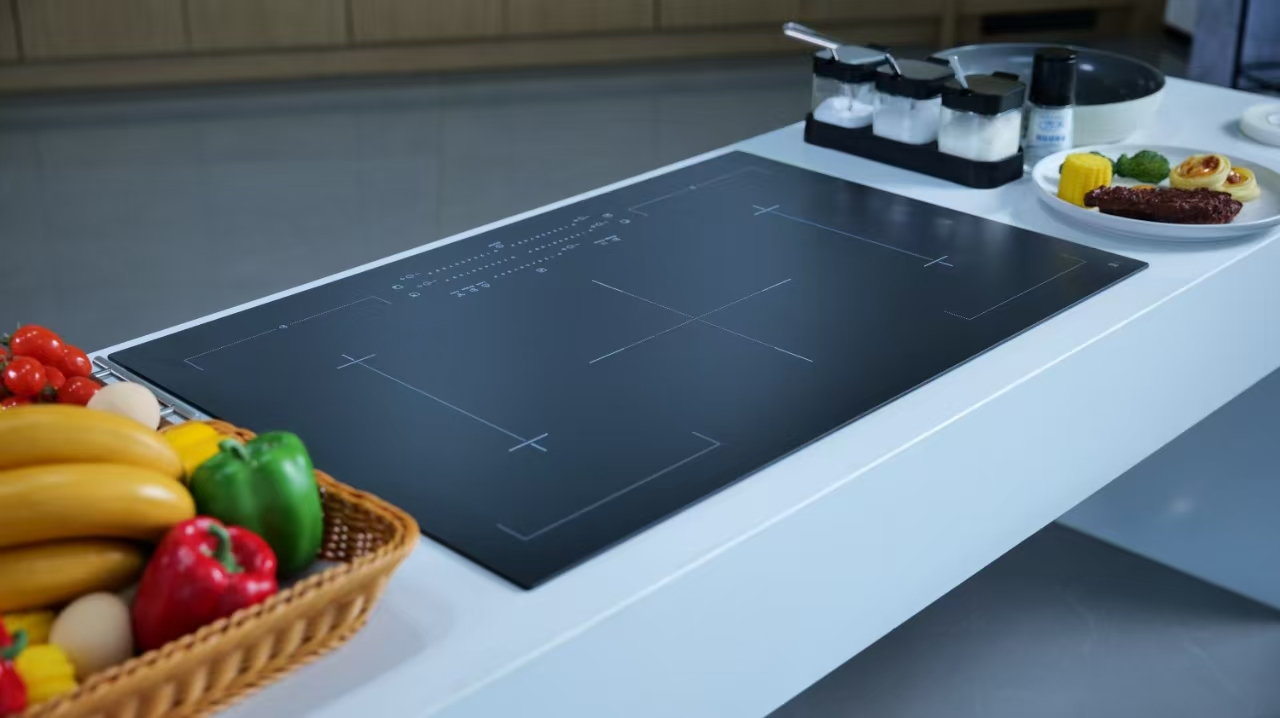
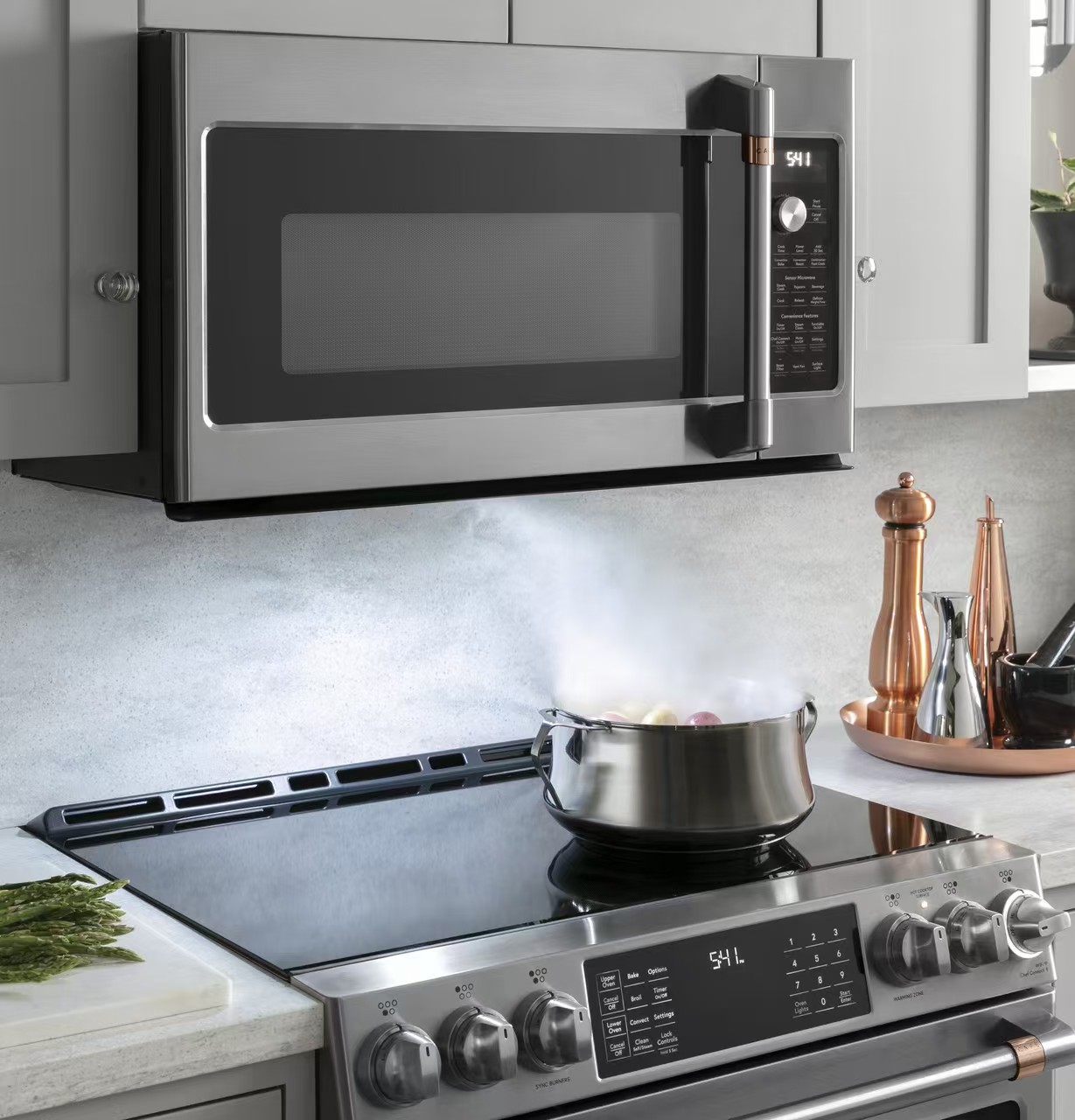
Induction hob enamel cookware needs a suitable magnetic metal body or base beneath its enamel surface, the right usable dimensions for the appliance, and care instructions for the exact vessel. Enamel describes a surface, not a universal induction approval. Check whether the item is cookware, what metal lies underneath, and whether its manufacturer permits the intended heat source. A glossy finish alone cannot answer those questions.
This guide focuses on the enamel layer: identifying the vessel, inspecting its condition, avoiding unsupported repair and separating cookware care from glass-panel care. It complements general cast-iron handling advice rather than repeating a material comparison or claiming that all coated pots perform alike.
The RIESS manufacturer care guide provides an example of instructions for enamel on an iron core, including gradual heating and avoiding empty heating. These directions describe that manufacturer’s cookware; they do not approve every enamel vessel or establish a Kanger appliance setting.
Porcelain enamel is a glassy coating applied to a supporting metal body. It is different from a bare cast-iron seasoning layer and should not automatically receive the same preparation or repair routine. Marketing terms such as ceramic, stone effect and enamel can describe different products, so obtain the actual construction from the supplier instead of identifying it from color or sheen.
Confirm that the item is intended for stovetop cooking. A decorative bowl, serving vessel or storage container can resemble a small enamel saucepan without being approved for a cooking zone. Record the model and read its heat-source directions. Do not infer induction compatibility from a similar item in the same color range or from the fact that a magnet is attracted somewhere on the vessel.
ENERGY STAR electric-cooking guidance explains why induction relies on interaction with suitable magnetic cookware. For an enamel vessel, the underlying metal construction is therefore relevant; the visible coating does not by itself establish compatibility. Ask for the exact induction designation and usable bottom dimensions. Compare those with the intended hob zone’s requirements rather than treating every enamel-on-steel or enamel-on-iron product as identical.
An enamel-coated cast-iron vessel may also have a different mass and handling pattern from thin enamelled steel. Our guide to handling cast iron on glass cooktops covers the wider handling issues for cast iron. The present decision adds a separate question: whether the coating and rim remain in the condition required by the cookware manufacturer. Material family, weight and surface condition should each be recorded rather than compressed into one yes-or-no label.
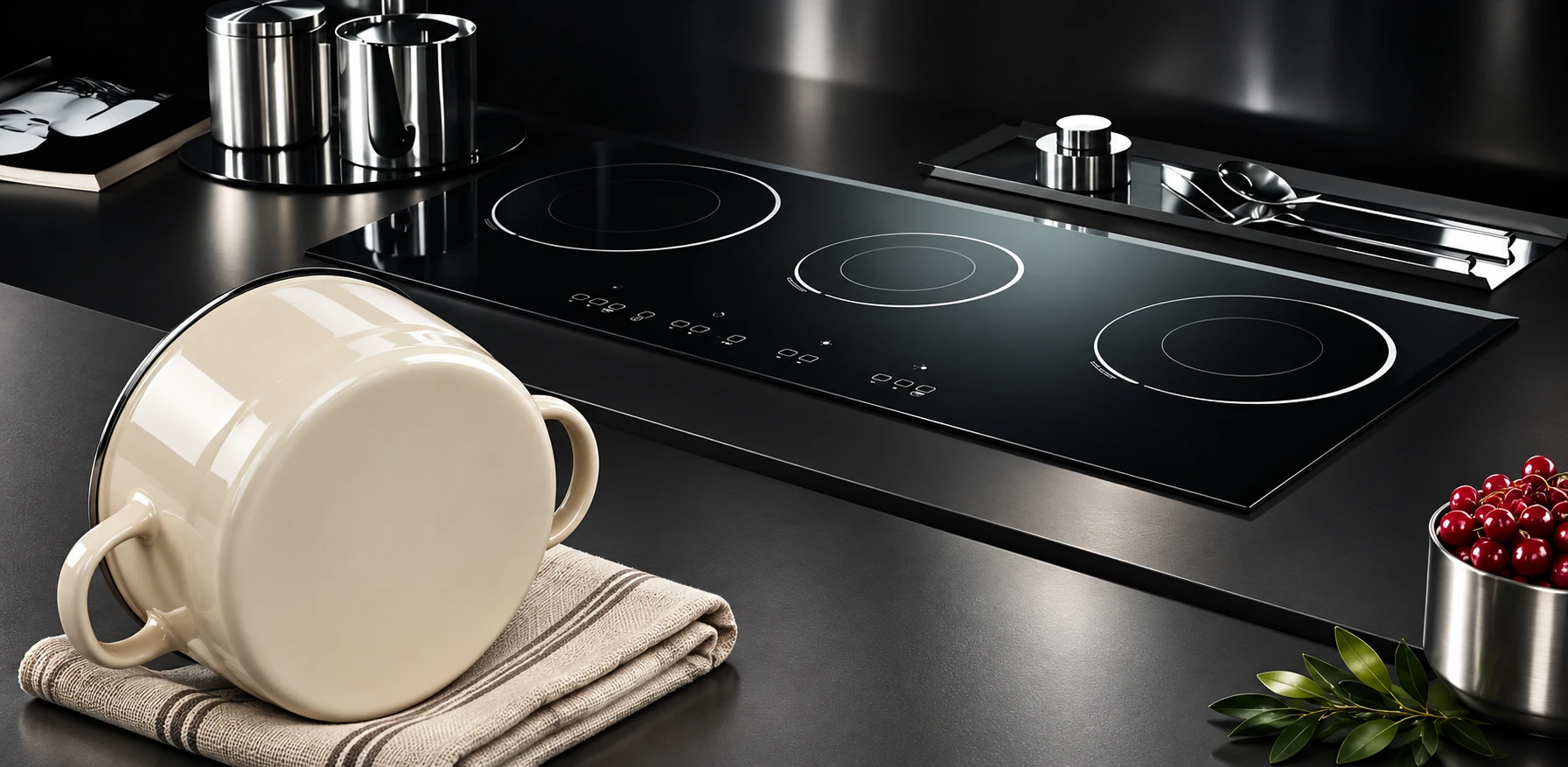
Use the manufacturer’s inspection guidance to assess the inside, rim, lid and exterior. Look for chips, cracks or other changes that require service advice. A dark spot might be a deposit, a production feature or damage; a photograph alone may not settle the distinction. Ask the supplier when the surface condition is uncertain, particularly where food contacts the coating.
Do not sand a chipped area, apply household paint or use a generic repair resin to restore a cooking surface. A repair product described for baths or decorative enamel does not establish food-contact or stovetop suitability. If the manufacturer directs replacement for the condition present, follow that direction. A clean appearance after polishing cannot validate an unsupported coating repair.
The exterior bottom meets the glass panel and may have its own finish or exposed metal area. With the vessel cold, clean and empty, inspect it as instructed for deposits, roughness or damage. Our article on checking the usable cookware base explains the difference between a rim measurement and the usable bottom. Do not assume that the outer enamel color reveals the bottom’s actual shape or interaction with the appliance.
Lift the vessel rather than sliding it across the panel. If debris is present, clean it by a method permitted for that surface before placing the pot. A smooth-looking glaze does not make dragging harmless, and a magnetic response does not establish that a warped or damaged base is fit for service. Resolve physical damage through the cookware supplier instead of trying a higher hob setting.
The general magnetic-heating principle follows ENERGY STAR electric-cooking guidance. The following checks organize purchase and care decisions; exact cleaning products, heat settings and replacement criteria must come from the selected cookware and appliance instructions.
| Area | What to verify | Practical decision |
|---|---|---|
| Product identity | Cookware purpose, metal core and exact model | Exclude decorative or unidentified vessels |
| Induction base | Designation, usable dimensions and condition | Compare with the intended appliance position |
| Interior enamel | Manufacturer criteria for chips and cracks | Seek service or replacement rather than improvised repair |
| Heating routine | Model directions for contents, preheating and boost | Avoid importing bare-iron seasoning routines |
| Cleaning | Permitted tools and cooling sequence | Keep pot care separate from glass-panel care |
A dark interior may be an enamel finish rather than exposed iron. Identify the surface before applying advice to bake on oil, scrub with abrasive material or strip a seasoning layer. An oven process also requires separate confirmation of handle and lid restrictions. Instructions for another material can damage a coated vessel even when both products are sold as induction compatible.
Follow the actual cookware directions for its first wash and preparation. Keep those directions with the model reference so a replacement does not inherit an unsuitable routine from an older pot. If the original instructions are missing, obtain them before experimenting. The absence of visible damage after a trial does not prove that an unapproved preparation process is acceptable.
Different constructions can have different directions for initial contents, power progression and empty heating. Use the supplied guidance rather than a universal number from another appliance. Where boost or dry preheating is restricted, do not treat induction compatibility as permission to ignore that restriction. This guide provides no common temperature, power level or heating duration for all enamel cookware.
Let the vessel cool according to its own instructions before washing or adding water. Avoid assuming that induction’s control response means the pot has immediately become cool. The glass beneath can also retain heat transferred from the cookware. Use the appliance’s residual-heat guidance and appropriate handling protection; a dark inactive zone is not evidence that every surface is safe to touch.
Select utensils permitted for the enamel surface. A tool suitable for uncoated stainless steel may not be appropriate for a particular finish. Check the working width and rim access with the pot cold and empty so the user does not have to strike or scrape the edge during the task. Do not force an oversized utensil between the lid and the pot rim.
Examine the matching lid as its manufacturer directs, including the knob, edge and any coating. Our article on matching a glass lid to its pan addresses lid-to-pan fit separately. A lid that balances on the rim is not necessarily the correct part. If a replacement is needed, obtain the model-matched component and its handling limits rather than choosing only by nominal diameter or matching color.
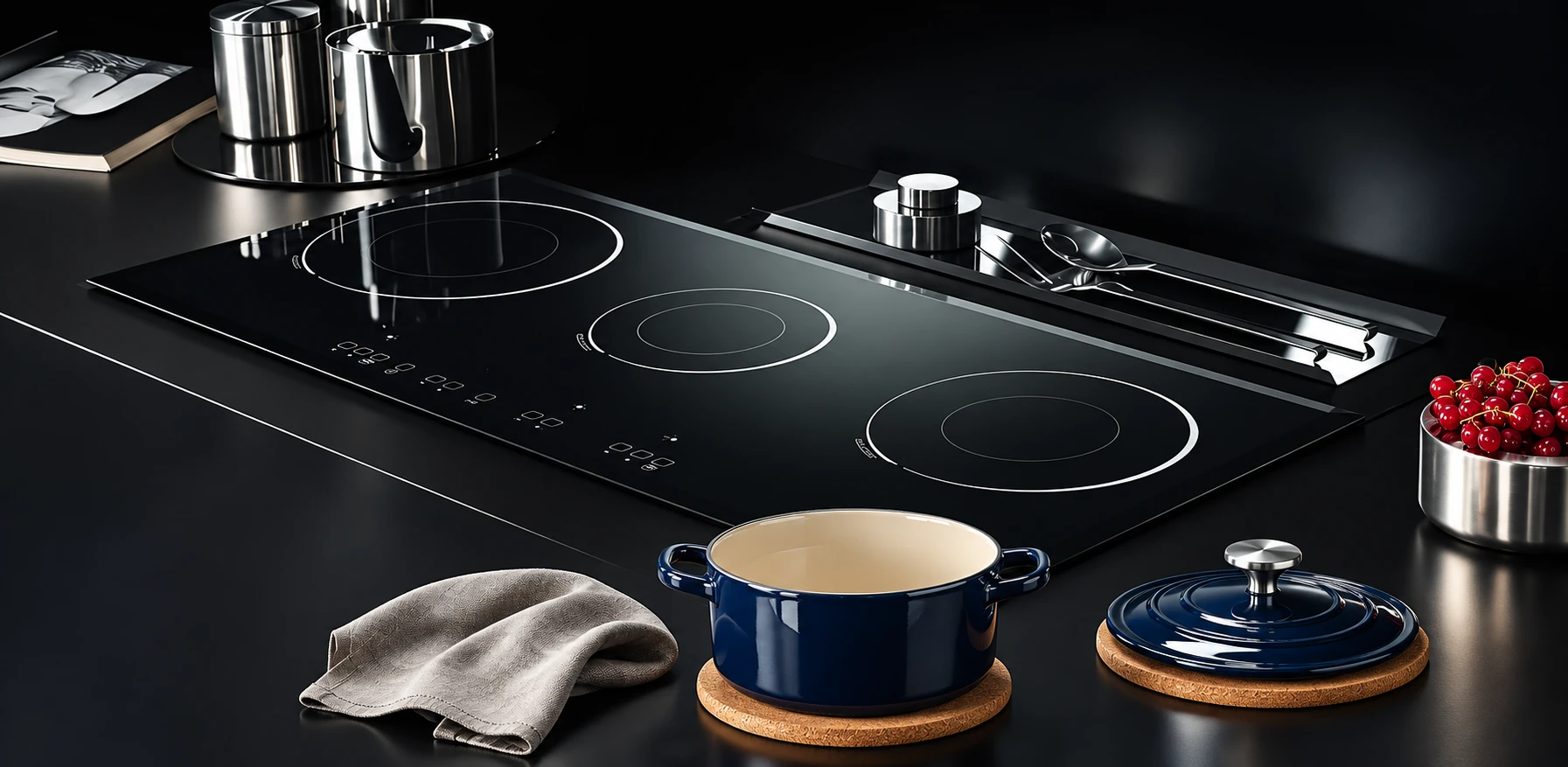
Follow the cookware directions for soaking, cleaning tools and permitted products. Do not use an unapproved scraper or abrasive merely because residue looks stubborn. If a mark remains, distinguish staining from actual coating loss with the supplier’s guidance. More force is not a reliable diagnostic method, and an aggressive cleaner can create a new problem while obscuring the original condition.
Clean the glass cooking surface under its own appliance instructions. Our guide to distinguishing marks from glass damage explains why a metal transfer mark, food deposit and crack should not receive the same treatment. A product approved for enamel is not automatically approved for printed glass, trim or seals. Keep cleaning bottles and tools identified by surface so a care routine does not silently migrate between materials.
After cleaning and drying as directed, choose a storage arrangement permitted for the cookware. Heavy lids and nested pots can contact coated rims or interiors; use only accessories and arrangements appropriate to the exact products. Do not place a cold-storage separator between the pot and an active hob. Remove packaging, protective inserts and unrelated materials before cooking.
Prepare the workspace before heating so cookware is not shifted around to make room. U.S. Fire Administration cooking-safety guidance advises attending cooking and keeping combustible items away from the stovetop. Plan where a permitted hot vessel or lid can rest according to its instructions. A cold, empty rehearsal can check reach and available space, but it does not establish a safe hot-handling method or validate a damaged pot.
Kanger’s Kanger black glass-ceramic cooktop panel and black glass-ceramic material overview describe the supplied glass cooking-surface context. They do not certify an enamel coating, approve a cookware repair or establish the finished appliance’s cookware detection limits. OEM procurement should retain separate documentation for panel integration, appliance operation and cookware suitability.
A useful buyer record includes the pot model, metal construction, actual bottom dimensions, approved heat sources, inspection criteria and care directions. Add photographs of the delivered condition and retain the supplier response to unresolved questions. This makes future replacements easier to assess without assuming that the same color, nominal size or glossy finish guarantees the same construction or maintenance requirements.
This independent educational video explains induction heating and cookware geometry. It is background for understanding the base of a vessel; it does not demonstrate pressure-cooker operation, enamel repair or approval of an accessory on the glass surface.
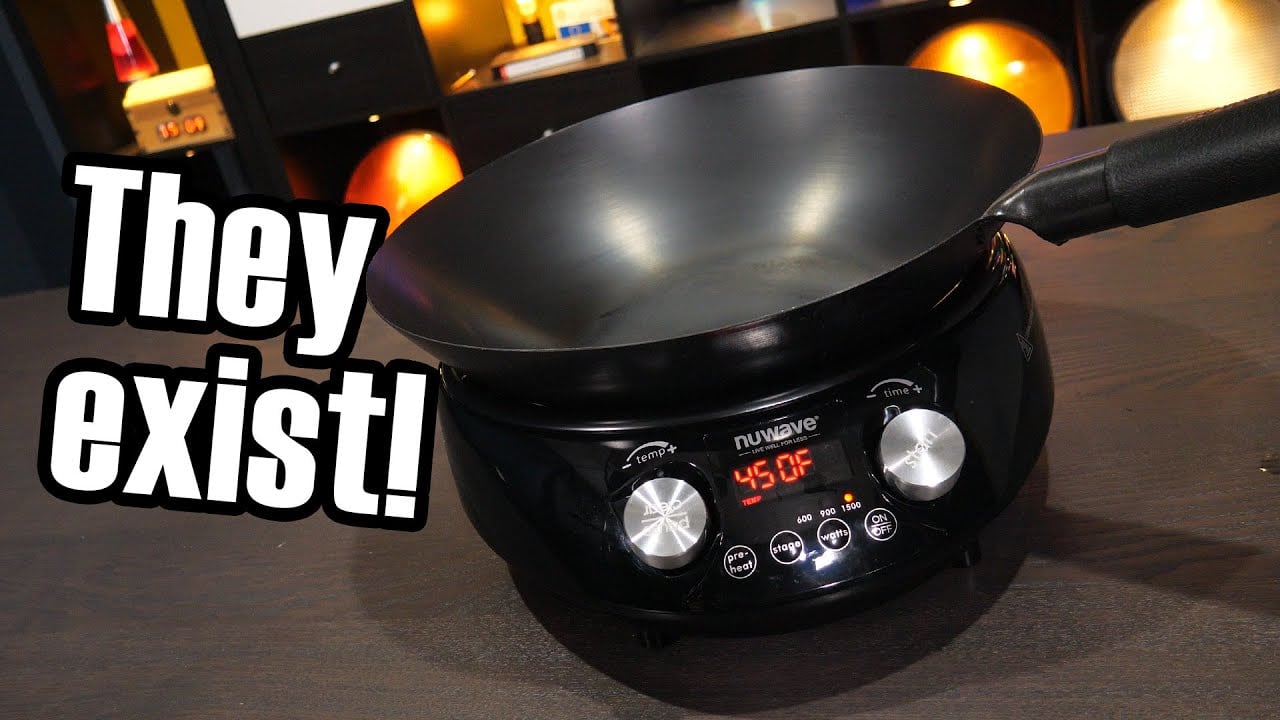
Video: Induction cooking – but what about woks?, Technology Connections. Open the educational video on YouTube.
No. Confirm the underlying construction, model designation and appliance cookware requirements.
Do not assume so. Follow the exact surface preparation and care instructions.
Do not use an unsupported repair. Seek the manufacturer’s service or replacement direction.
Only if each responsible manufacturer permits it for that specific surface.