Microwave ovens are fast being yet another staple appliance in many households to gain an advantage of quick meal prep & efficiencies they can produce. However, not all items/containers are acceptable to be placed inside a microwave oven due to how they create inconsistent & fast cooking times within the item/shape, therefore Heat Resistant Microwave oven(s) technology has also seen many different materials that may be acceptable for use. One such popular material for safe & working effectively in microwave ovens has been Heat resistant Microwave Glass. So what exactly is this form of glass? What makes it differently from standard glass containers? We will cover some of the important information related to heat resistant microwave glass container features, how they were developed, & why they should be valued additions for all people that utilize new modern technology.
Microwave Safe Heat Resistant Glass refers to glass designed to withstand the extreme temperatures and fluctuating temperatures due to rapid heating of food in a microwave oven. While ordinary glass may shatter, crack or explode because of extreme heat, microwave safe heat resistant glass has been specially designed to be able to handle the rigors of being heated in a microwave oven, with regard to both thermal shock and being safe to use. This form of glass is typically used to make microwaveable dishes, microwavable bowls, microwavable containers, and microwavable cooking utensils.
This composition contains additives that provide significant thermal stability, allowing this glass to be used repeatedly in a microwave and other cooking applications. High-quality heat resistant glass will also serve as a serving dish, or bakeware.
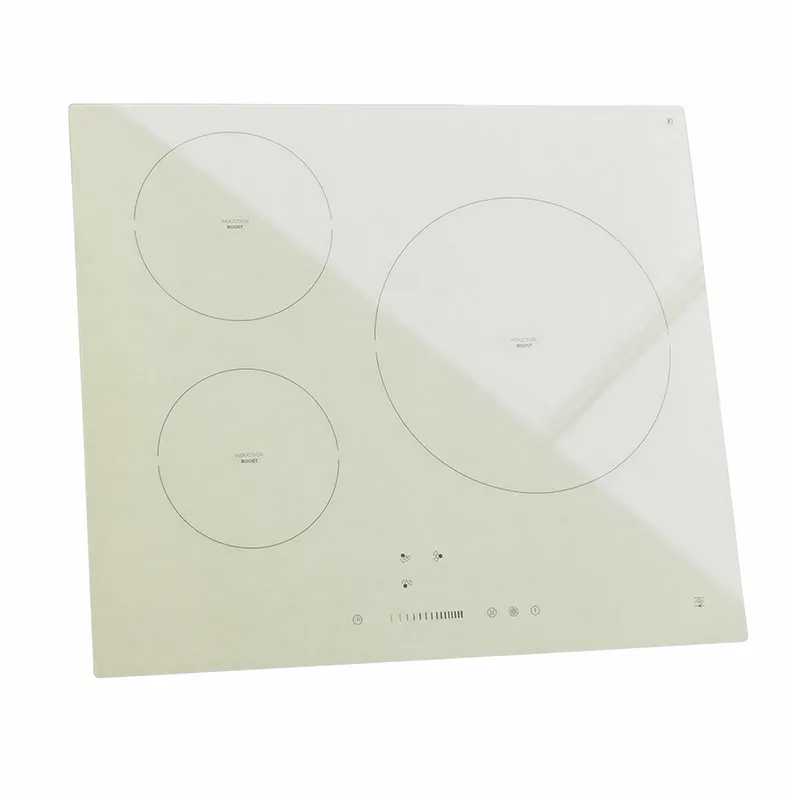
Combining silica with certain additional materials (boron trioxide) to produce a heat resistant microwave glass. The two materials melt together and form a strong, heat resistant glass as it cools.
A typical example of heat resistant glass is borosilicate glass. Its lower coefficient of thermal expansion means that this type of glass will not usually crack or break under sudden temperature changes. Additionally, the manufacturing process includes various treatments that make the glass stronger, enabling it to withstand the extreme heat fluctuation of microwaves.
Due to the rigorous manufacturing process, microwave glass will hold up very well when heated in microwaves with no problem; up to 450°F (232°C) for an extended period of time. Other attributes that make it very popular are its food-safe and non-toxic properties.
Wondering why heat resistant microwave glass stands out? Let’s examine its most notable features:
1. Exceptional Thermal Stability: Microwave Glass Hot Resistant is specifically designed to withstand extreme cold or warmth without breaking (unlike regular glass). This makes it suitable when you need to reheat items that have been frozen or refrigerated.
2. Long-Lasting Durability: Due to its unique combination of materials and additional support, heat resistant glass can withstand breakage, chipping or deterioration better than regular glass.
3. Food-Safe Material: When heat resistant glass is heated to a temperature too high for it to be safe to use. There are no toxic substances released into your food when using heat-resistant glass to heat your food; therefore, it’s safe to use heat-resistant glass for cooking and heating food without the risk of contamination.
4. Versatility: This glass can go from oven to microwave and even be put on the table! You can also clean it in the dishwasher.
5. Transparency: You can see through the heat resistant glass therefore not having to open the microwave, thus losing heat while your food cooks.
Although most items made of heat resisitant microwave glass used for cooking are safe for microwaves, it is essential to verify that your glass items have been thoroughly tested and proven microwave safe before placing them in your microwave oven. Here are some helpful techniques that can help you identify whether your glassware is microwave-safe or not.
1. Look for Manufacturer Labels: Microwave-safe glass products typically have some indicators, such as labels or logos that identify whether they can be used in the microwave. Check for words such as “microwave-safe” or icons representing microwaves.
2. Inspect the Product Information: Check the labeled temperature limits for any heat-resistant glass product. Manufacturers usually specify this information on packaging or product descriptions.
3. Test with Water: Fill your glass bowl full of water and microwave for about a minute and a half. If the water gets hot, but the bowl does not, it is probably microwave safe. Be careful to avoid burning yourself while doing this test!
4. Avoid Decorations and Metallic Accents: If there are painted decorations, metal embellishments, or designs on the glass item, then it is probably not safe to use in the microwave. Microwave-safe glass has a basic shape without added decoration to ensure it has optimal thermal performance.
When using microwave-safe glass cookware and bakeware, you’ll be embracing safety and durability and enhancing your cooking experience while doing so. This earth-friendly cooking option does not warp or leach chemicals when exposed to heat like plastic containers do. You can also save space in your kitchen because you can use the same piece of cookware/bakeware for several different purposes; making a casserole, serving it at the table, storing leftovers in the refrigerator, and reheating all from one dish!
Due to a rise in the need for more environmentally-friendly and versatile cooking appliances; many well-respected brands produce microwave-safe glass cookware. Look for quality names like Pyrex, CorningWare, and Duralex that specialize in high-end glass. There are many different types of microwave-safe glass appliances available, including glass food-storage containers, baking pans, and serving bowls; therefore choosing heat resistant glass will provide you with both safety and durability.
You can find tons of options at any online marketplace or kitchenware store. Before buying a new glass microwave-safe set of glasses, read customer reviews to gain insight about the performance and durability of individual products. The cost difference between durable/high-quality microwave-safe glassware and a less-expensive set will save you money on future replacements, and will also make sure you are using microwave-safe products correctly.
In conclusion, heat resisitant microwave glass cookware has a place in all kitchens, because it stands up to high temperatures, and is non-toxic and very durable. Therefore, while shopping for microwave-safe cookware, it is important that you choose high-quality microwave-safe glass. It is a small investment that offers long-term convenience and peace of mind to your family.