Transparent glass ceramic fireplace doors should be quoted from a controlled drawing that defines finished dimensions, project-approved size tolerance, thickness, edge and corner treatment, gasket/contact layout, and frame clearance. A material name or outside size alone cannot show whether a panel will fit the door assembly without edge loading during service.
This guide helps fireplace and stove OEM teams make comparable RFQs. Start with the fireplace door buying context, then use the observation-window material selection article (published post #6004) to confirm the high-temperature viewing duty.
Define the part as a door-assembly component, not as a loose rectangle of “fireplace glass.” The RFQ should identify the appliance duty, transparent glass-ceramic material class, controlled drawing revision, finished geometry, and the surfaces that contact gasket, clips, or frame.
| Field | State in the RFQ | Why it matters |
|---|---|---|
| Application | Fireplace or stove door, active-fire viewing duty | Separates the panel from decorative or architectural glass |
| Material class | Transparent glass-ceramic, subject to datasheet review | Blocks ambiguous “heat resistant glass” substitutions |
| Drawing control | Drawing number and revision | Keeps every bid tied to the same geometry |
| Finished dimensions | Length, width, shape, and datum | Makes the quoted part measurable |
| Assembly interface | Gasket, clip, or captured-frame description | Shows how the panel is restrained |
| Thermal evidence | Supplier datasheet and test references | Connects fit review with operating duty |
For a wider material-selection explanation, read How to Choose Glass Ceramic Fireplace Glass. It does not replace a drawing-specific fit review.
List finished dimensions after all cutting, edging, drilling, and shape processing. Set a clear datum or reference edge so the supplier, incoming inspector, and door assembler measure the same feature. Record the approved project tolerance beside each critical dimension instead of copying a generic value from another door program.
| Drawing item | Specify | Avoid |
|---|---|---|
| Overall length and width | Finished size, unit, datum, and approved tolerance | “Standard fireplace size” |
| Thickness | Nominal thickness plus the project acceptance range | Using a retail label as the thickness control |
| Shape | Radius, arc, angles, and profile dimensions | A photo or “same as sample” only |
| Holes / notches | Coordinates from datums, diameter or slot shape, edge treatment | Measuring from an uncontrolled outside edge |
| Flatness / bow | Project requirement and inspection method, if critical | Assuming a universal glass-ceramic value |
The door-frame opening is not automatically the finished glass size. The drawing must show the intended contact line and the clearance scheme that permits assembly without point loading. If the old part is the only input, convert it into a controlled drawing before requesting production quotes.
Thickness, edge finish, and corner geometry affect both how the panel seats and where stress concentrates. Include the required corner radius wherever the drawing uses a rounded corner. Transparent glass-ceramic is not made safer by leaving those details to a supplier’s default process. Show the required edge condition and any holes or cutouts on the same controlled drawing as the finished dimensions.
| Feature | RFQ control | Review question |
|---|---|---|
| Edge finish | Name the required finished edge and inspection expectation | Does the edge touch gasket, clips, or a metal channel? |
| Corners | Specify radius or corner profile | Are sharp internal corners prohibited by the design? |
| Holes / cutouts | Give datums, dimensions, and edge-quality requirement | Is the feature near a high-load or hot-zone area? |
| Decorative print or coating | Identify side, keep-out zone, and visual acceptance | Does it change the contact or viewing surface? |
| Sample status | Label as reference only or approved master | Does the drawing remain the governing document? |
Use the supplier’s completed datasheet to evaluate thermal and optical fields at the quoted thickness. Eurokera’s transparent glass-ceramic product sheet illustrates the kind of thickness-linked thermal and transmission information a supplier should provide; it is not a Kanger specification.
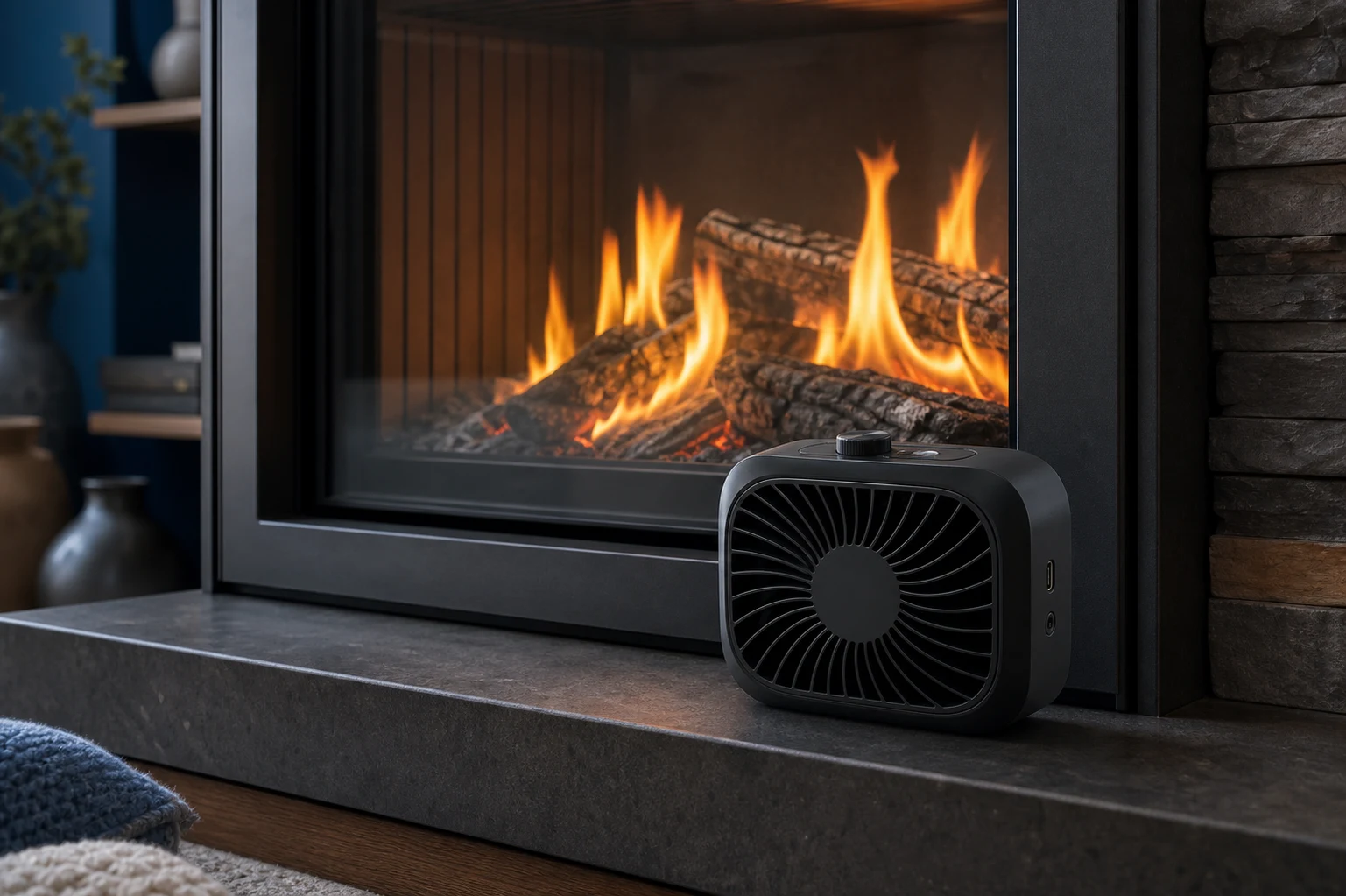
Describe sealing as an interface, not merely as a gasket name. The RFQ needs the gasket material or approved equivalent, its location, contact width, frame construction, retention method, and whether clips or fasteners can create localized edge load. The door designer must approve the clearance and compression targets for that specific assembly.
| Interface element | Document for quote comparison | Reason |
|---|---|---|
| Gasket | Material, section, location, and approved compression target | Prevents unreviewed seal substitutions |
| Frame | Material, capture depth, and contact surfaces | Identifies where expansion mismatch can act |
| Clips or fasteners | Quantity, location, standoff, and assembly method | Avoids point loading at the edge |
| Clearance | Drawing-defined cold-state gap and operating assumption | Allows controlled thermal fit |
| Contact pattern | Full perimeter, pads, or localized retention | Determines the relevant edge-treatment area |
Replacement discussions frequently connect cracking with a tight frame or changed gasket. That pattern is a useful warning, not a root-cause conclusion: review the panel, seal, frame, and assembly process together before approving a change.
The door assembly expands as it heats, and its metal frame does not necessarily change size at the same rate as a transparent glass-ceramic panel. This thermal expansion difference makes clearance, gasket behavior, and restraint method part of the thermal review alongside material selection. A thicker panel does not remove the need for that review.
SCHOTT’s glass-ceramic materials overview explains why glass-ceramic is used for demanding thermal applications. For a fireplace observation-window application, the supplier should provide material-specific thermal evidence for the quoted thickness and the OEM should validate it against the actual door cycle, frame, and heating appliance.
| Evidence or input | Owner | Decision supported |
|---|---|---|
| Appliance temperature cycle and viewing duty | Door OEM | Defines the assembly environment |
| Glass-ceramic datasheet at quoted thickness | Supplier | Confirms material and thermal shock evidence is grade-specific |
| Frame material and retained-edge design | Door OEM | Identifies differential-expansion interfaces |
| Gasket/contact specification | Door OEM and seal supplier | Defines compliant support rather than rigid restraint |
| Assembly validation plan | OEM QA | Confirms the final door system, not just the panel |
The most expensive comparison error is treating differently defined panels as equivalent because their visible width and price look similar. Normalize the drawing revision and the interface details before ranking bids. Hold any quote that replaces requested geometry or seal information with an undefined “standard.”
| Quote condition | Procurement action |
|---|---|
| Finished dimensions tied to a different drawing revision | Request re-quotation against the current revision |
| Tolerance missing or stated as supplier standard | Hold for OEM-approved tolerance confirmation |
| Gasket or clip arrangement omitted | Mark the bid incomplete |
| Material named only as “fireplace glass” | Require material class and supporting datasheet |
| New edge process proposed | Submit for engineering review before price comparison |
| Scenario | Recommendation |
|---|---|
| Active-fire transparent viewing door with controlled drawing | Use transparent glass-ceramic RFQ fields in this guide |
| Fireplace observation panel with material uncertainty | Start with the observation-window material selection guide, then complete the fit block |
| Oven-door or microwave viewing panel | Use the relevant appliance-duty review; do not assume the same sealing design |
| Decorative low-temperature screen | Reassess material and assembly requirements before using this RFQ |
| Architectural glazing or fire-rated building glass | Out of scope for an appliance fireplace-door RFQ |
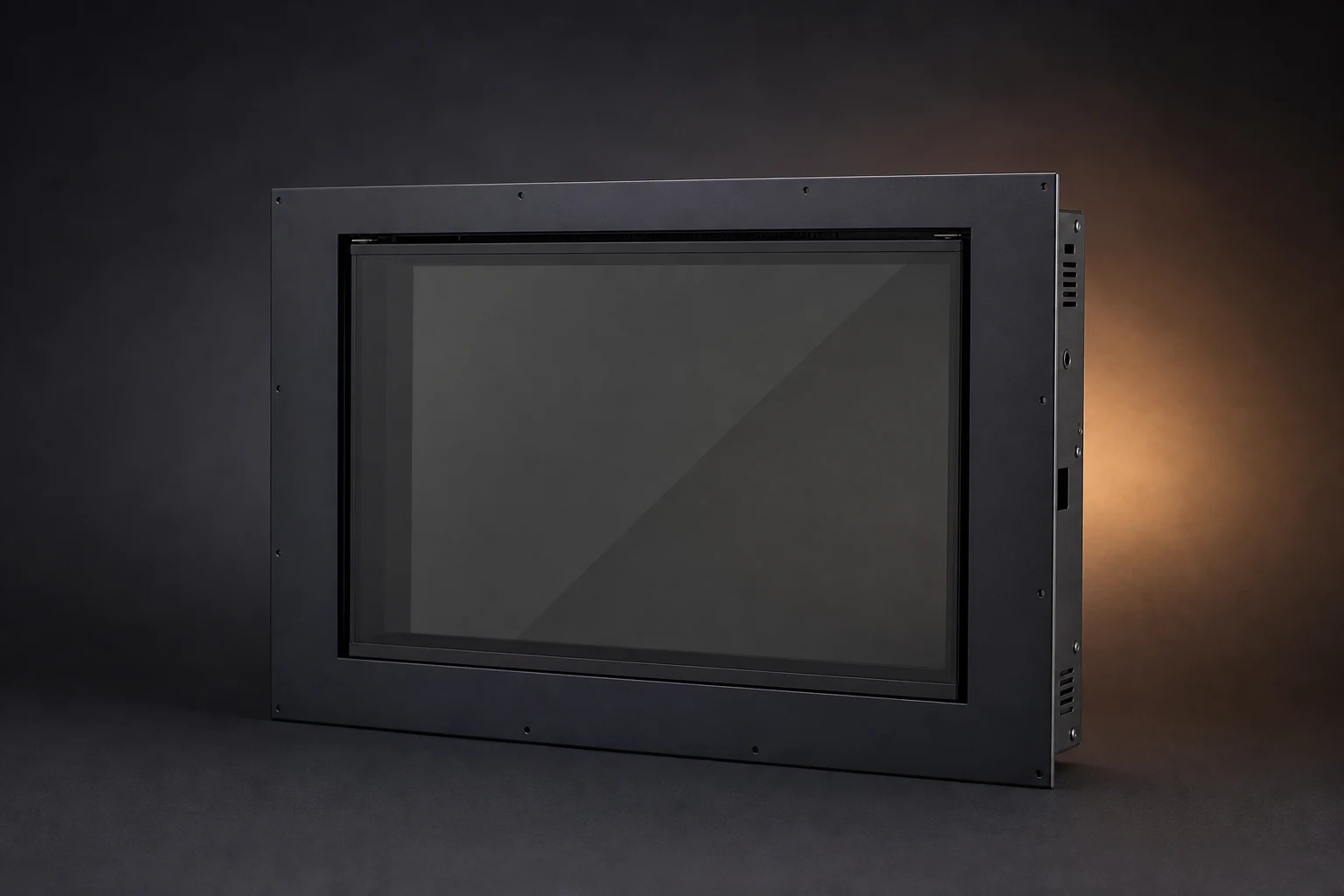
Once the RFQ contains the controlled drawing, approved tolerance fields, fabrication details, seal interface, and thermal-duty input, route an active-fire viewing-door program to transparent glass-ceramic for fireplace clear display.
| RFQ condition | Recommended route |
|---|---|
| Transparent, active-fire fireplace door panel | Transparent glass-ceramic clear-display line with controlled drawing |
| Panel plus multiple appliance-glass families | Products overview for routing review |
| Missing dimensions, tolerance, or seal details | Complete Parts 2–4 before asking for final pricing |
| Black cooktop or opaque panel | Do not route as a transparent fireplace-door RFQ |
What tolerance should be specified for fireplace door glass?
Use the tolerance approved for the specific door drawing and identify its measurement datum. There is no reliable universal tolerance for all fireplace-door glass sizes, shapes, or sealing systems.
Should the gasket be specified with the glass panel?
Yes. State the gasket material or approved equivalent, location, contact pattern, and the OEM-approved compression target so bids can be compared as the same assembly interface.
Can a supplier quote from outside dimensions only?
Not for a controlled OEM program. Provide finished dimensions, thickness, shape, edge condition, drawing revision, and the relevant tolerance fields.
Does a thicker panel remove the need for frame clearance?
No. Thickness changes weight, optics, and stiffness, but clearance and gasket behavior still need review against the frame and thermal cycle.
Can tempered glass substitute for transparent glass-ceramic?
Do not approve a substitution from thickness alone. Confirm the appliance duty, thermal evidence, optical requirement, and door design; see the observation-window material selection guide first.
Which Kanger page should receive the RFQ?
For a controlled active-fire viewing-door RFQ, use the transparent glass-ceramic for fireplace clear display page and submit the drawing and sealing details for review.