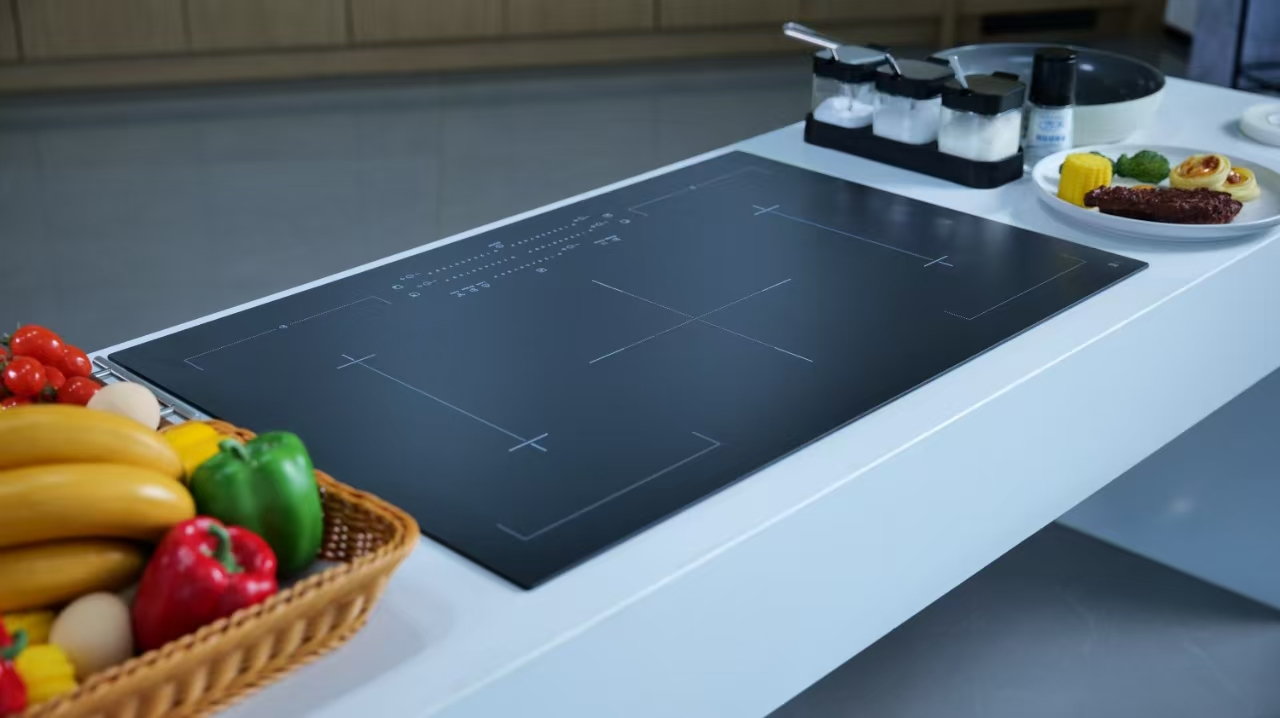
A microwave and oven panel request can use one purchasing template, but it should not use one material brief by assumption. Before combining requirements, compare the actual component roles, drawing revisions, interfaces, and evidence each appliance team needs.
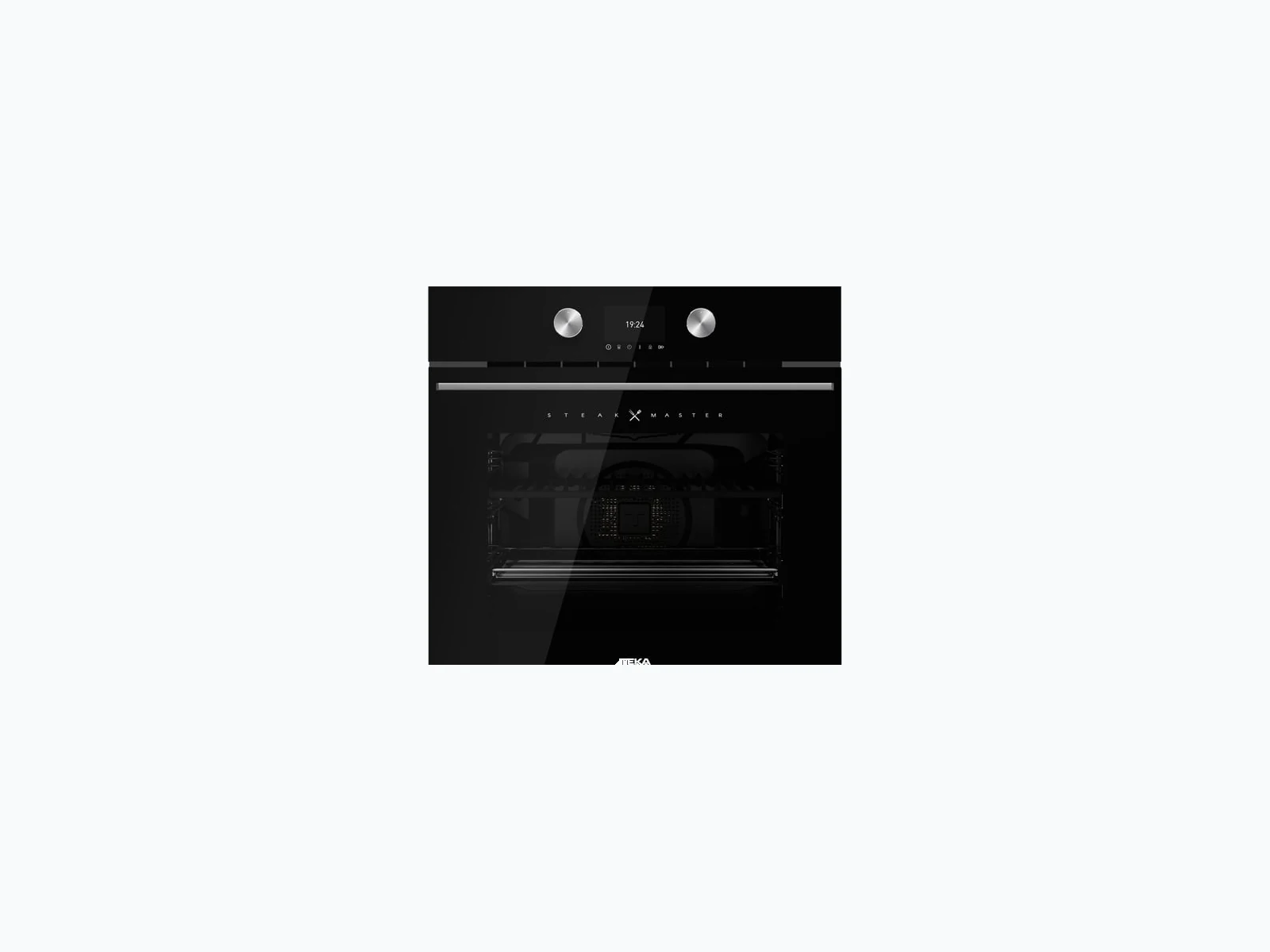
The useful question is not whether microwave and oven panels have similar names. It is whether the team can identify a controlled basis that is genuinely common to both components. If the appliance position, drawing, or acceptance record differs, the shared brief needs a clear split rather than a hidden assumption.
| Brief decision | Buyer checks | Outcome |
|---|---|---|
| Component role | Where each panel belongs in its appliance | Prevents a broad material label from replacing part identity |
| Drawing control | Revision and relevant views for each panel | Shows whether the same geometry basis exists |
| Interface context | Supports, cutouts, adjoining parts, or assembly notes | Exposes component-specific conditions |
| Review evidence | Documentation requested for each proposal | Keeps acceptance questions visible |
Important: Similar material wording does not approve two different appliance components. SCHOTT’s glass-ceramic materials overview provides information within stated product scope, not evidence that another supplier’s panel or two project assemblies are interchangeable.
Start by writing the differences down. A common procurement cover sheet is useful, yet the technical and acceptance entries should remain attached to the right drawing. This step is about project control, not a claim that microwave and oven panel duties are always different.
| Comparison area | Microwave panel record | Oven panel record | Decision use |
|---|---|---|---|
| Component location | Current appliance position | Current appliance position | Confirms whether one request describes both parts |
| Drawing basis | Released issue and pertinent views | Released issue and pertinent views | Prevents a revision mix-up |
| Interfaces | Relevant surrounding assembly notes | Relevant surrounding assembly notes | Identifies conditions that cannot be merged |
| Evidence request | Project-specific documentation requested | Project-specific documentation requested | Shows whether review records can be shared |
Related reading on microwave panel heat-duty RFQ inputs and oven material requests can clarify the two contexts. Keep the final request tied to the actual project records.
Use a common cover sheet only after the differences are visible. The RFQ can show shared commercial information while retaining a separate row for every component-specific drawing and review question.
| RFQ item | Shared cover-sheet input | Keep separate in RFQ | Supplier response |
|---|---|---|---|
| Component identity | Project name or inquiry reference | Appliance role and panel drawing | Confirm each reviewed scope |
| Drawing control | Submission date | Revision and relevant view for each part | Identify a missing or conflicting document |
| Interface notes | General assembly contact | Component-specific mating conditions | State assumptions per panel |
| Evidence request | Delivery stage requested | Required record for each proposed part | Confirm availability or limitation |
A proposal is easier to compare when the supplier names the document reviewed for each component. Ask for a clear statement of shared assumptions and separate assumptions. This makes an open point visible before a purchasing team treats two responses as equivalent.
| Response record | What it shows | Buyer follow-up |
|---|---|---|
| Reviewed drawing list | Which revision applies to each panel | Check against the issued package |
| Shared assumption | A condition used across both proposals | Confirm it is actually common |
| Separate assumption | A component-specific open point | Assign it to the correct engineering owner |
| Documentation limit | Evidence not available at the requested stage | Keep it outside acceptance until resolved |
Material literature can improve the questions asked, but the proposed panel still needs project-specific review. Do not treat a reference page, another supplier’s record, or a previous appliance program as approval for a new component.
| Information source | Useful use | Limit |
|---|---|---|
| Controlled drawing | Defines the requested component | Does not approve the supplier by itself |
| Supplier response | States a proposal basis | Needs project review |
| Material overview | Helps refine terminology | Does not prove Kanger-specific values |
| Product-page route | Identifies an inquiry path | Does not establish dual-appliance fit |
| Request condition | Next action |
|---|---|
| Both components have controlled drawings and stated review records | Send a combined inquiry with separate component rows |
| Only one generic material phrase is supplied | Define each panel before combining the brief |
| A drawing or interface is still changing | Keep that component separate until controlled |
| A performance, certification, or compatibility statement lacks part-specific evidence | Do not include it in acceptance |
| The request is for consumer replacement glass | Use a separate workflow |
When the package is ready, use the microwave and oven glass-panel route to begin a Kanger inquiry. Provide the drawings, component labels, interface notes, and evidence request for each part.
Use this route for a drawing-led inquiry, not as a claim that an unspecified microwave or oven panel is suitable. Contact Kanger after the common and component-specific inputs are documented.
Can microwave and oven panels use one material brief?
They can use a common purchasing format only after the team confirms which drawings, interfaces, and evidence requests are shared and which remain component-specific.
What must remain separate in the request?
Keep each panel’s appliance role, drawing revision, relevant interface information, and required review record visible.
Why should a supplier name the reviewed drawing?
It shows the basis used to interpret the proposed component and helps expose a revision mismatch.
Can a prior panel record approve the new proposal?
No. It can inform questions, but the proposed part needs its own project-specific review.
When should the combined brief be held?
Hold it when one component still has an uncontrolled drawing, interface, or acceptance question.
When should Kanger receive the inquiry?
Send it when the common cover sheet and each component’s separate project inputs are ready.