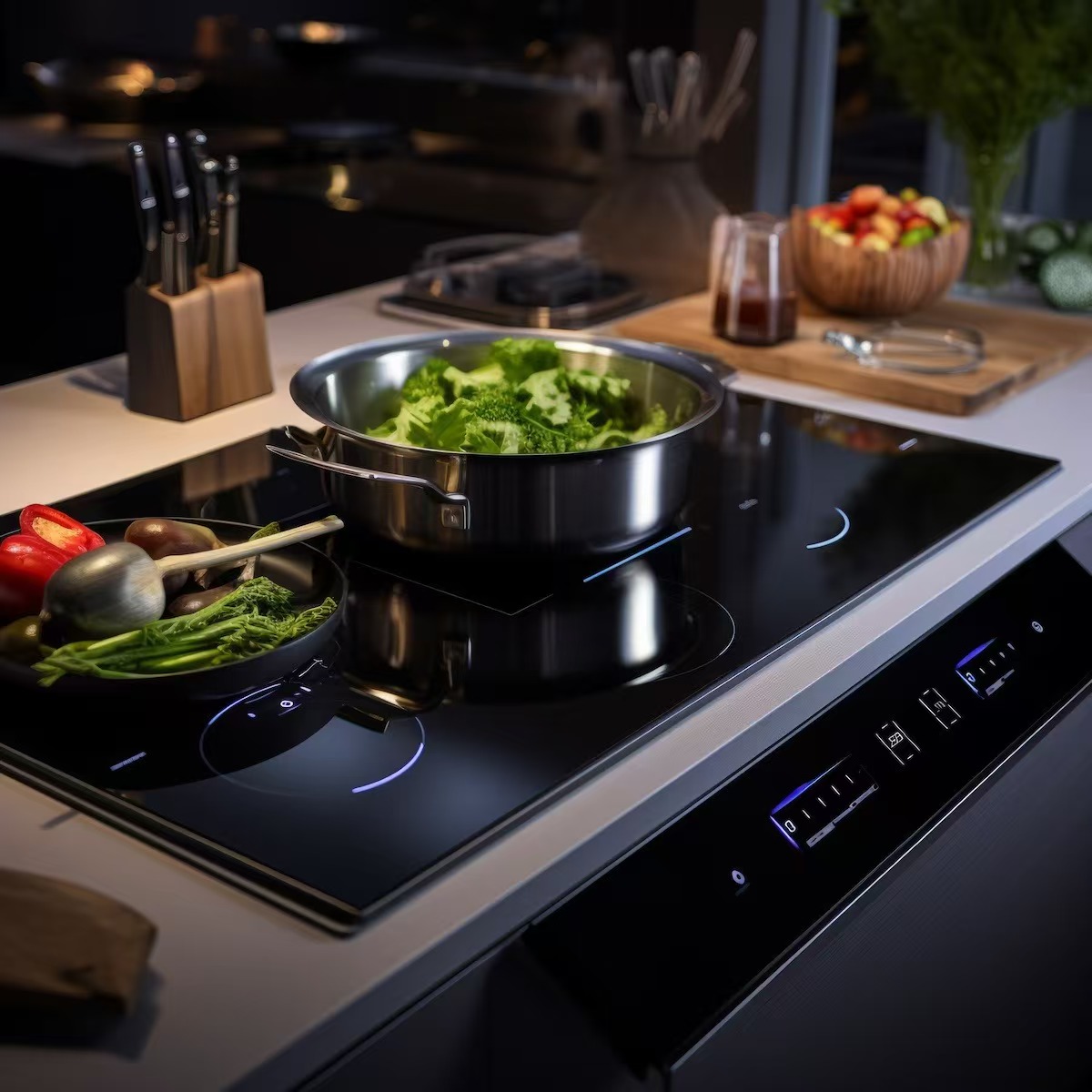
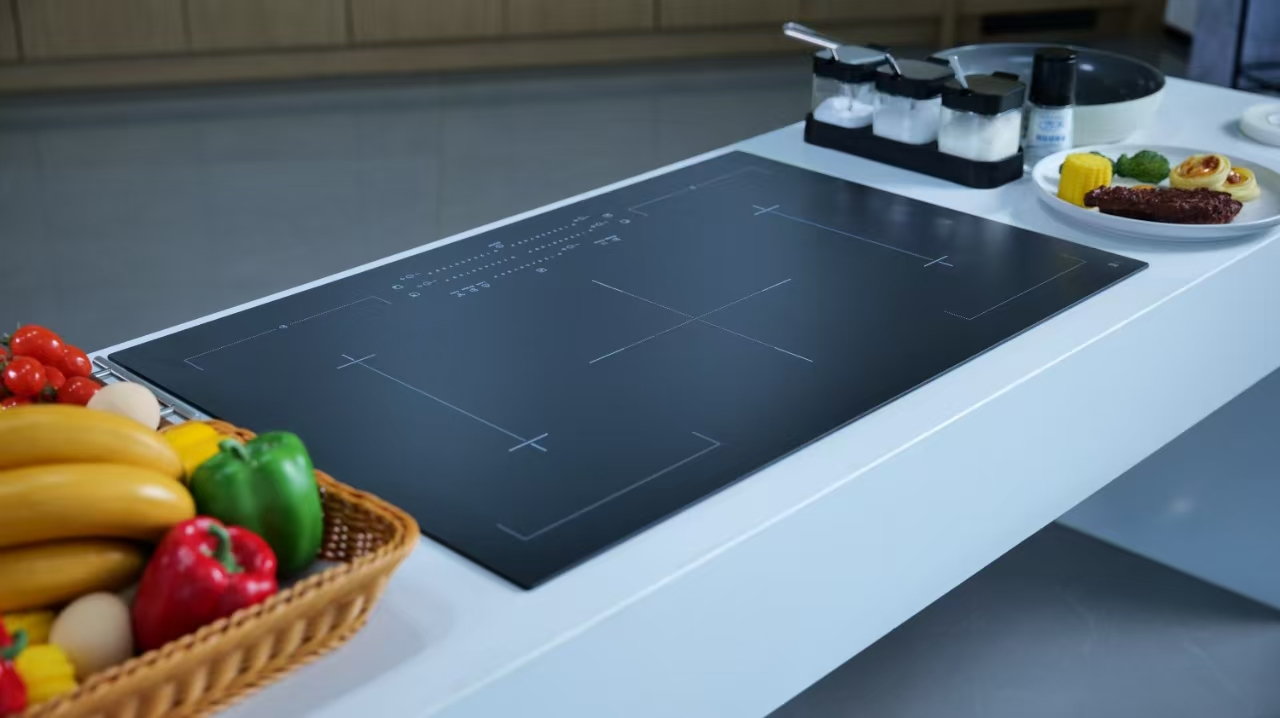
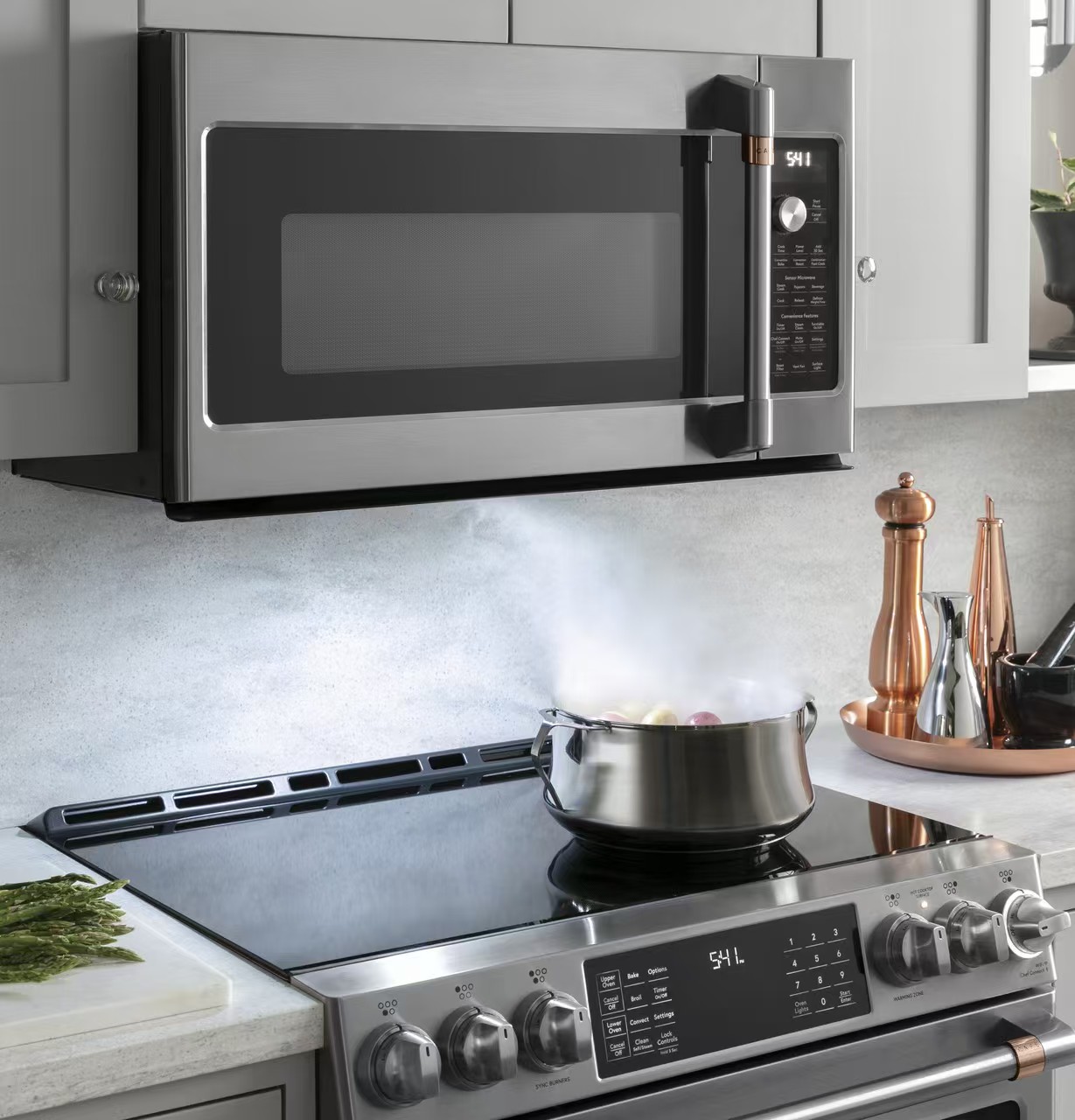
Specify a gas or mixed-cooktop glass-ceramic panel together with the appliance duty, interface, controlled drawing, cutouts, edge treatment, finish, quantity, and sample evidence. The panel request does not replace the complete appliance’s gas, electrical, installation, or market-specific approval basis.
Gas and mixed-cooktop projects often begin with a panel photograph or a short phrase such as “heat-resistant glass.” That shorthand is not enough for a reviewable supplier request. The buyer needs to identify what the panel must do, how it meets the appliance, and which decisions remain with the appliance team.

The first line of the brief should name the appliance arrangement: gas, mixed gas-and-electric, or another defined configuration. Add the intended panel position, visible cooking zones, controls, and whether the sample represents a loose panel or an installed assembly.
The KANGER transparent glass-ceramic product route lists gas and mixed-stove cooktop panels among its applications. That is a product-family enquiry route, not a promise that every design, market, or burner arrangement is automatically suitable.
Important: Do not use a glass-panel page as proof of complete gas-appliance approval. Keep appliance safety, installation, and market requirements with the appliance owner and the applicable authority basis. — CSA standards catalogue and ISO 9001 standard page
A panel can be visually correct while its interface information is incomplete. State how the glass meets the frame, support, burner surround, control area, seal, and adjacent parts. If the panel is mounted above more than one heating technology, identify which zones and interfaces belong to each duty.
This distinction keeps the supplier from guessing whether a visible edge is a finished boundary, a hidden support surface, or an area reserved for another component. For a controlled drawing handoff, see the cooktop-panel drawing revision guide.
Put the panel outline, datum or reference edges, cutouts, holes, corner treatment, thickness callout, and revision identifier in the same controlled package. Describe the required edge route in project language—such as trimming, chamfering, polishing, drilling, or another agreed process—rather than assuming that a supplier will infer it from a rendered image.

The ASME Y14.5 overview is useful context for controlled feature references. This article does not create a tolerance scheme; it asks the buyer to identify the project’s existing scheme and revision.
A glass request should name the destination market and the appliance approval path, even when the supplier is responsible only for the panel. Gas train, burner, ignition, ventilation, installation, and electrical controls remain system topics. The panel may be one part of the evidence package, but it is not the whole package.
Avoid writing “certified gas glass” unless the exact product, appliance, market, test basis, and approval document have been confirmed. The CSA standards catalogue is a starting point for identifying the authority basis; it is not a substitute for the project’s compliance review.
Give the supplier a field set that can be answered without a second round of interpretation.
| Buyer should provide | Why it matters | Common mistake |
|---|---|---|
| Appliance arrangement and heating zones | Separates gas, electric, and mixed interfaces | Sending only “cooktop glass” |
| Controlled drawing and revision | Establishes the geometry being quoted | Attaching an obsolete PDF |
| Cutouts, edge route, and visible boundaries | Defines processing and review points | Leaving the underside or edge implicit |
| Finish, artwork, and clean-zone notes | Connects appearance to the correct face and area | Treating a product photo as the finish specification |
| Sample quantity and review questions | Makes the sample decision observable | Asking for a sample without acceptance questions |
| Destination market and appliance approval owner | Keeps system-level requirements assigned | Asking the panel supplier to certify the full appliance |
Use the ISO 9001 standard page as process context for controlled information; do not turn a general quality-system source into a product certification claim.
This guide fits OEM sourcing, design, and quality teams preparing a gas or mixed-cooktop glass-ceramic enquiry. It does not determine burner spacing, seal compression, fuel-system safety, electrical insulation, legal approval, or a finished appliance’s performance.
If those items are unresolved, list them as open questions beside the drawing. A clear “to be confirmed” field is more useful than an invented value. For a broader product comparison, use the KANGER products overview rather than forcing one glass family into every appliance arrangement.
The transparent glass-ceramic product route is a reasonable starting point when the brief concerns a listed gas or mixed-stove cooktop application. Attach the controlled drawing, panel orientation, interface notes, finish, quantity, destination market, and the specific sample questions.
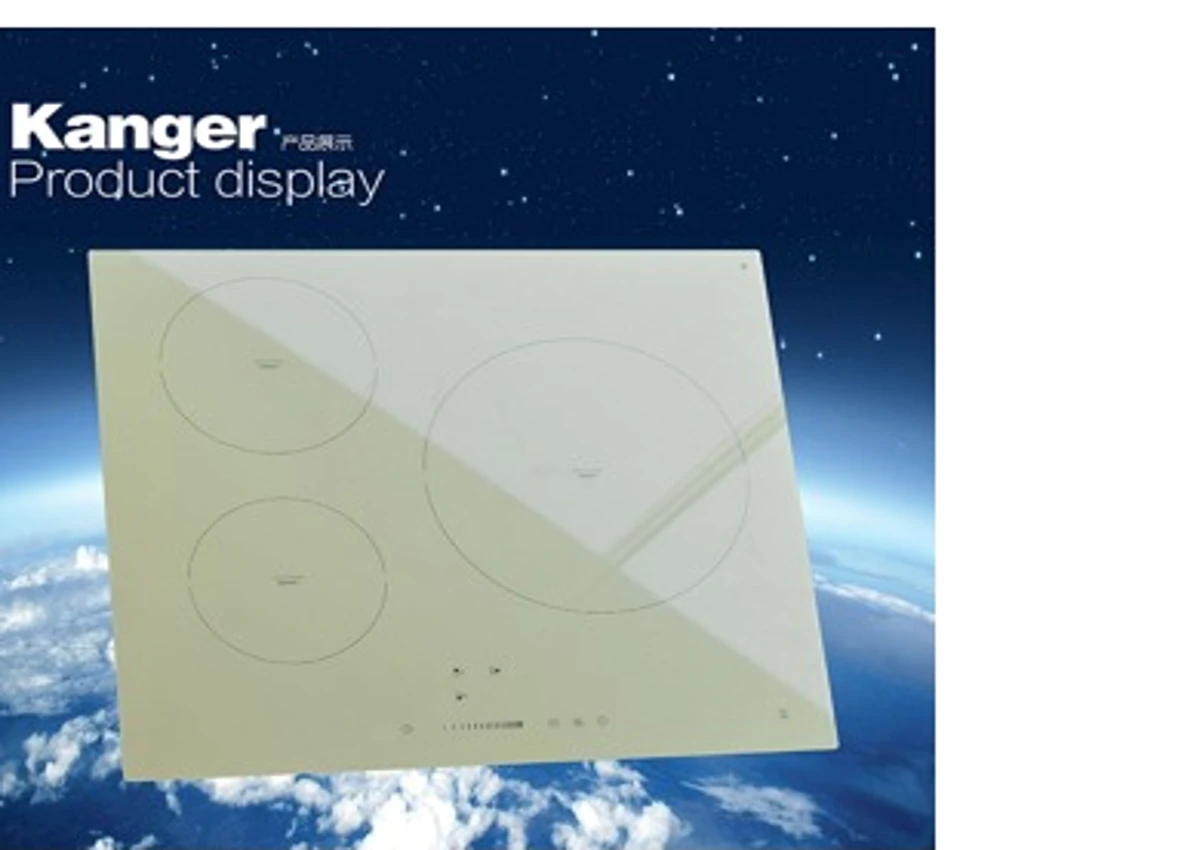
For a project-specific review, contact KANGER. Ask the supplier to respond against the same revision and to identify any information still needed before sampling.
Provide the appliance arrangement, heating zones, controlled drawing and revision, cutouts, edge route, finish, quantity, destination market, and sample questions.
It can be used as a starting brief only when the drawing and interface conditions are explicitly shared. Gas and electric duties still need their own appliance-level review.
Identify each cutout, reference edge, corner treatment, and requested process on the controlled drawing. Do not ask a supplier to infer a hidden edge or underside condition from a photograph.
No. A panel page or sample does not establish complete gas-system, installation, electrical, or destination-market approval.
Include the current drawing revision, panel orientation, interface notes, finish, quantity, review questions, and the owner of unresolved appliance-level decisions.
The transparent glass-ceramic route is the relevant starting point when the application matches its listed gas or mixed-stove context; final suitability remains project-specific.