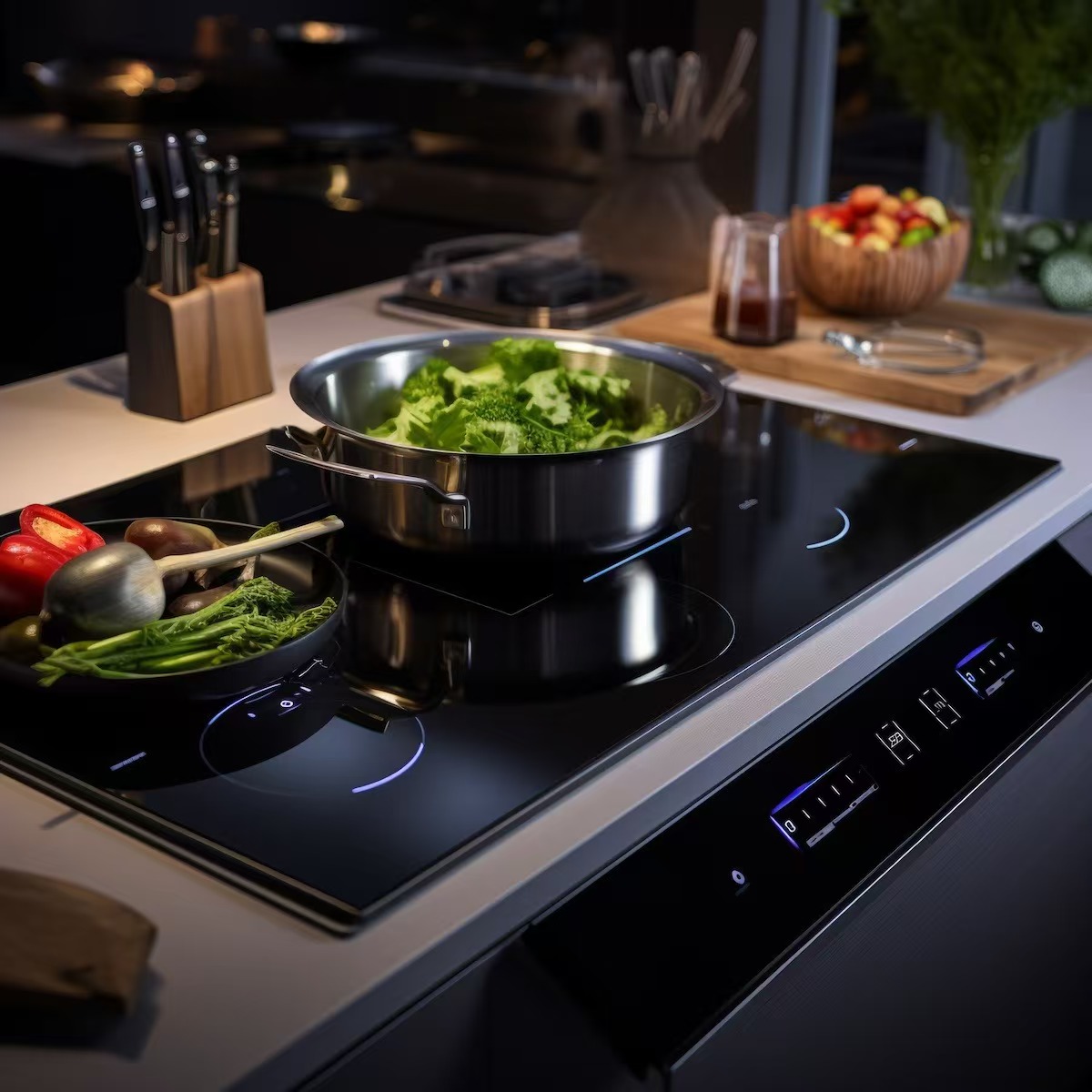
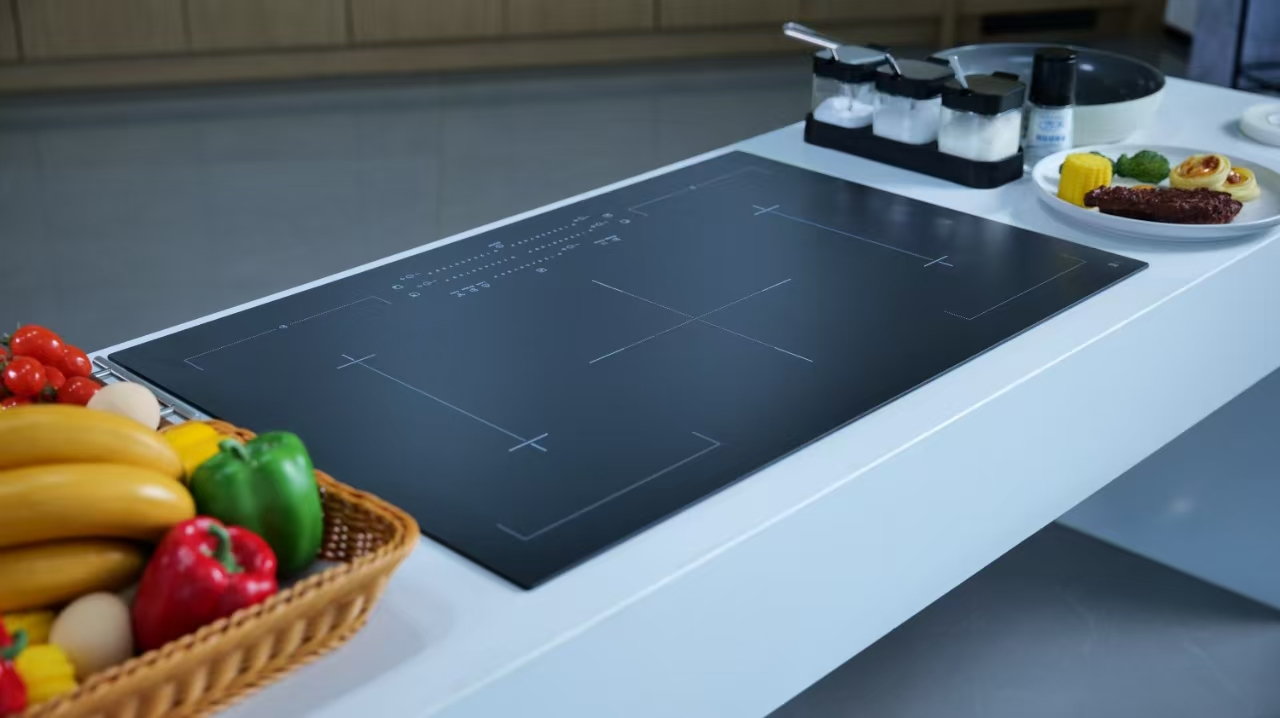
Document the panel identity, face and edge, handling condition, approved or proposed method, observation, drawing/sample revision, reviewer, and next owner. A universal cleaner or chemical recipe should not be published without exact product evidence.
Cleaning questions become difficult when a team cannot tell which panel was handled, which face was touched, or whether a mark came from residue, handling, or the material itself. A short, controlled record gives the next reviewer something more useful than “please clean and check.”
Write down the panel or sample identifier, drawing or sample revision, date, face, installation state, and reviewer before any cleaning or handling step. If the item is loose, say so. If it is mounted in an appliance, identify the assembly reference.
The KANGER product cleaning route can be used as a site entry point for a project question. It does not turn an unnamed panel into a known cleaning specification.
Important: Do not call a surface “safe to clean” until the exact product, face, method, and evidence basis are identified. A record of an appearance change is not a material-compatibility or warranty conclusion. — ISO 9001 standard page
A panel may have different visible and hidden surfaces, finished edges, printed zones, cutouts, or support contact. Note which face is being handled and whether the edge is exposed, protected, or retained by another part. The installation state also affects what can be observed without disassembly.
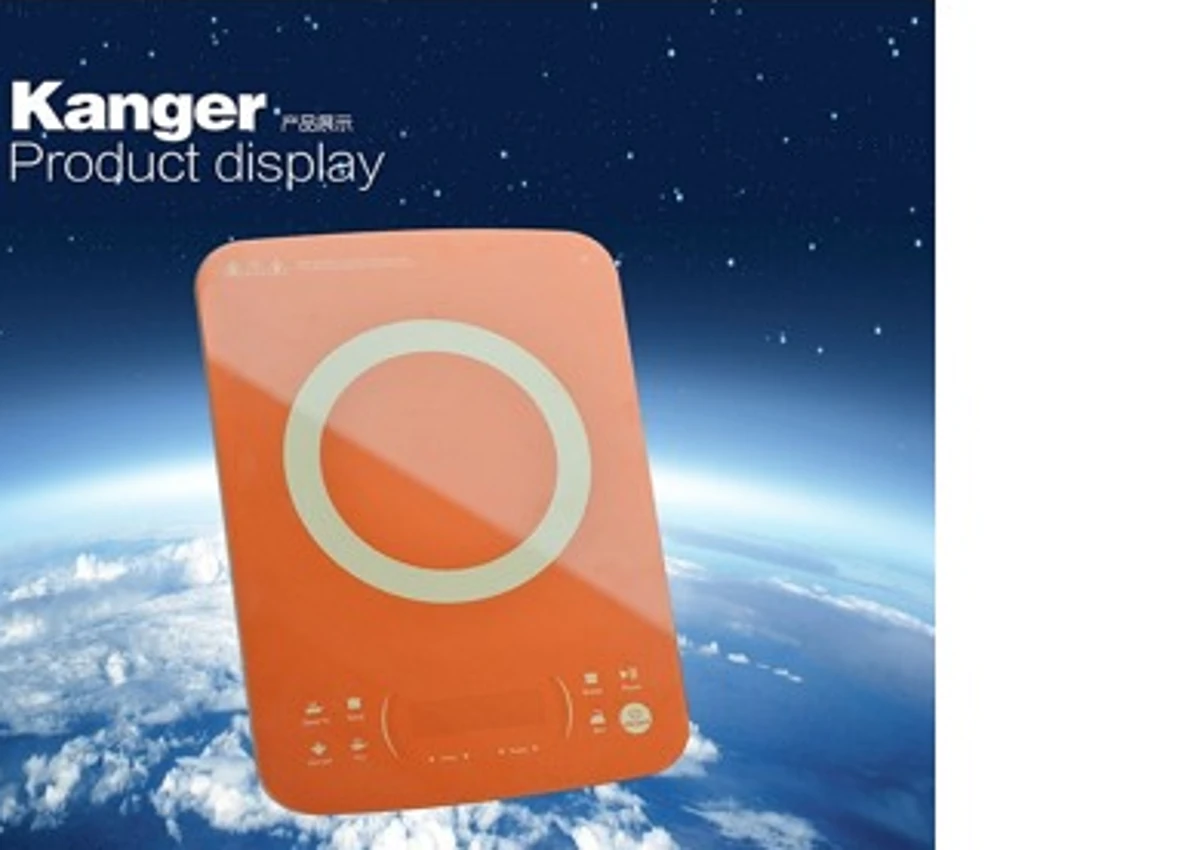
For a visual record that keeps orientation and revision together, see the appliance glass-panel photo record. This article adds the handling and cleaning decision boundary rather than replacing that record method.
Describe the proposed method in neutral terms: dry wipe, water-based wipe, approved agent, or another project-defined step. Record the tool, contact area, sequence, and the evidence owner. Do not add a named solvent, concentration, dwell time, temperature, or abrasion claim unless the exact product documentation supports it.
The ASTM C162 terminology is useful for keeping material language precise. It does not provide a KANGER-specific cleaning recipe. If the method remains open, label it “to be confirmed” and ask for the relevant product evidence.
Describe what is visible, where it is, when it was observed, and what changed after the proposed step. Avoid deciding from a photograph that a mark is a scratch, residue, coating change, or thermal effect. Link the observation to the panel revision and the handling event.
The ASME Y14.5 overview provides a useful reference mindset: controlled features need a controlled reference. It is not a cleaning test or a defect limit for this article.
Use a field set that allows the supplier and appliance team to answer the same question.
| Buyer should provide | Why it matters | Common mistake |
|---|---|---|
| Panel/sample identifier and revision | Keeps the record tied to the right object | Sending an unlabelled photograph |
| Face, edge, printed zone, and installation state | Defines the surface being handled | Treating all surfaces as identical |
| Proposed method and tool | Makes the review reproducible | Saying only “clean normally” |
| Before/after observation and condition | Separates visible change from assumed cause | Calling a mark a defect immediately |
| Supplier evidence requested | Identifies the missing document or test | Asking for a blanket compatibility promise |
| Reviewer and next owner | Assigns the follow-up decision | Leaving the escalation in a chat thread |
For a broader sample decision, use the KANGER glass-ceramic sample approval workflow rather than treating a cleaning note as approval.
This guide fits OEM sourcing, design, and quality teams documenting panel handling and cleaning questions. It does not define maintenance intervals, chemical compatibility, scratch limits, certification, warranty, or final appliance performance.
When the observation may affect a printed area, edge, seal, or finished fit, stop the routine step and assign the question to the relevant owner. A controlled open question is safer than a generic “approved” label.
Use the KANGER product cleaning route when the brief is about a cleaning-related question, and the transparent glass-ceramic product route when the application needs product-family context.
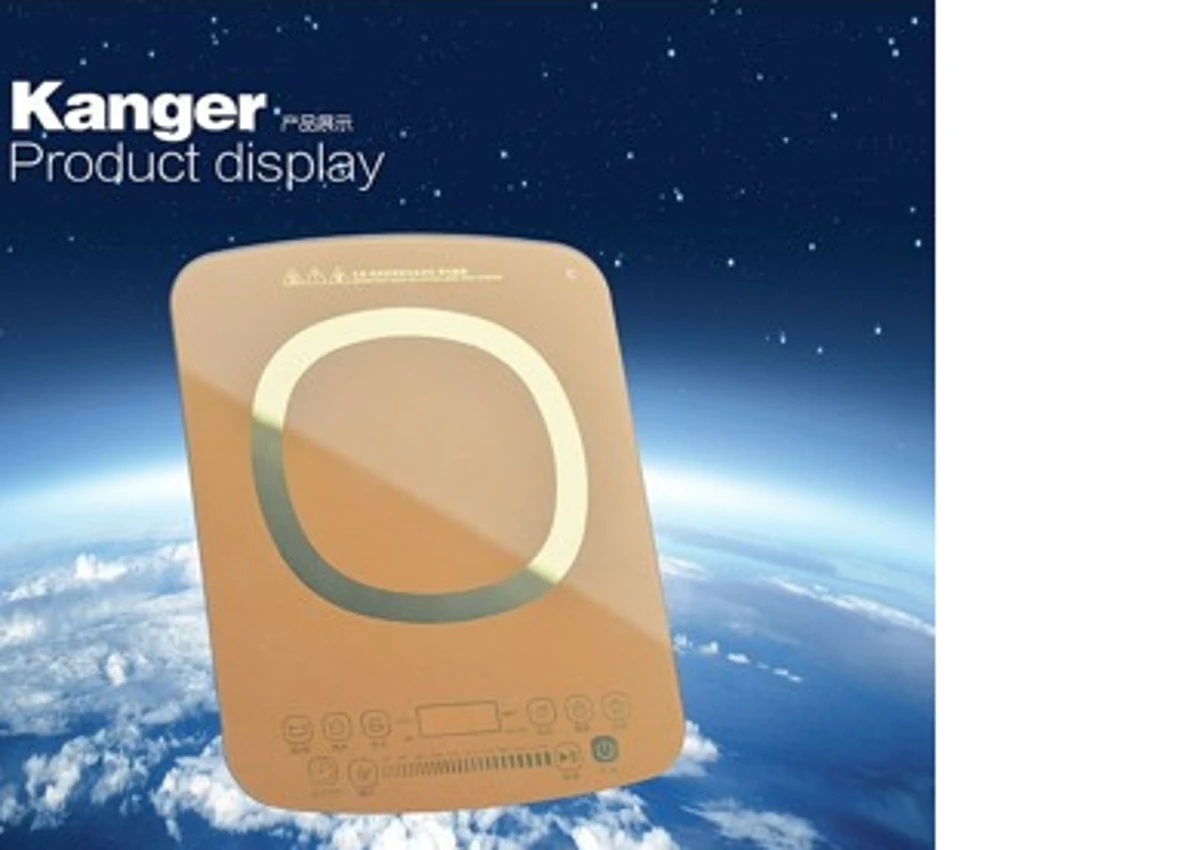
Attach the panel identity, face and edge notes, method under review, revision, before/after images, and unresolved questions. For a project-specific response, contact KANGER.
Identify the panel or sample, revision, face, edge, installation state, method, observation, reviewer, and next owner.
No. Compatibility must be confirmed for the exact panel, surface, method, and evidence basis; a generic cleaner label is not enough.
Record its location, visible description, panel revision, handling event, and before/after condition without guessing whether it is a defect or residue.
Ask for project-specific written guidance when the method, surface, finish, or printed zone is not already controlled by the supplied documentation.
Include the object identity, face and edge, tool or method, condition, observation, evidence requested, reviewer, and escalation owner.
Use the KANGER product cleaning route or contact KANGER with the complete record and open questions.