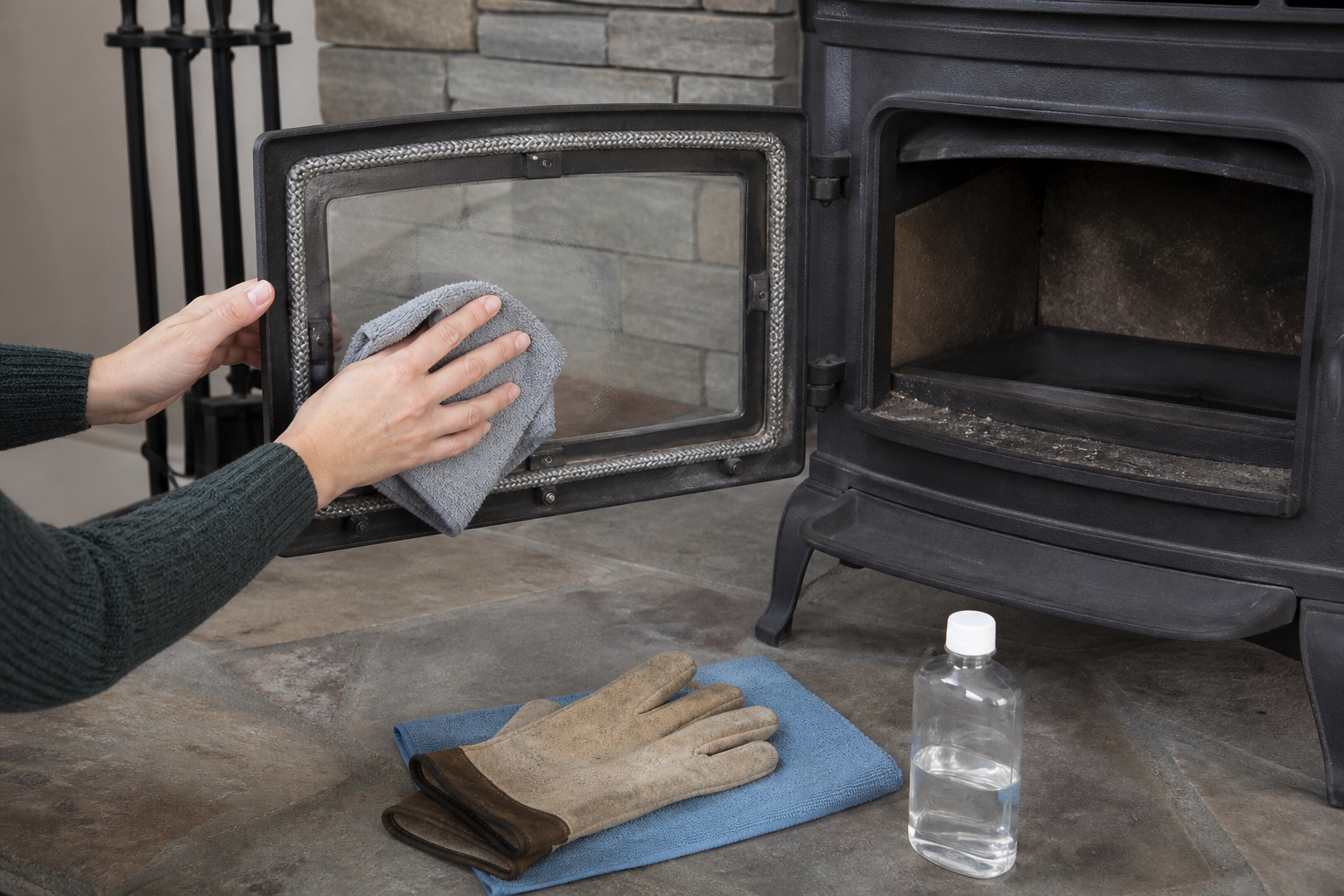
To clean wood-burning stove glass, let the appliance cool completely, remove loose ash with a soft cloth, and use the cleaner and method approved by the stove manufacturer. Apply cleaner to the cloth rather than flooding the door. Avoid abrasive tools, cold liquid on warm glass, and chemicals that can damage coatings, gaskets, or printed borders.
This guide explains the main decisions buyers, engineers, and service teams should document before selecting or ordering how to clean wood burning stove glass.
Soot forms when combustion is cool or incomplete. Wet wood, restricted air, weak draft, oversized fuel loads, and long smoldering burns can all darken the viewing panel.
Cleaning removes deposits, but recurring blackening is an operating or maintenance signal. Address fuel moisture, airflow, chimney condition, and appliance settings.
Wait until the fire is out and every door component is cool.
Some stove instructions and long-standing practice use a damp cloth with a small amount of fine, cool wood ash. Ash is mildly abrasive and alkaline, so it should be used only when the appliance manufacturer allows it.
Do not use gritty ash containing sand, metal, charcoal chunks, or debris. Never dip a cloth into a live firebox or handle warm ash.
Avoid razor blades unless the manufacturer explicitly permits them, abrasive pads, oven cleaner, ammonia on sensitive surfaces, and aggressive household chemicals. Do not spray liquid into door joints or onto hot glass.
Abrasive damage may be permanent and can make later deposits harder to remove.
Use properly seasoned fuel, establish a hot clean burn, maintain the air path, and avoid extended smoldering. Follow the appliance manual for loading and air control. Chimney and stove maintenance affect both glass cleanliness and safety.
Stop using the stove if the viewing panel is cracked, loose, deeply chipped at an edge, or contacting metal. Replace it with the specified transparent glass-ceramic, geometry, thickness, and retention system—not ordinary window glass.
Kanger’s transparent glass-ceramic is relevant to OEM and replacement-panel programs after the appliance specification is confirmed.
For a drawing-led project, review Kanger’s transparent fireplace glass-ceramic and send the application, dimensions, material requirement, annual quantity, and validation criteria with the enquiry.
A light gray film after normal use may be routine, while rapid heavy blackening often points to fuel or operating conditions. Wet or insufficiently seasoned wood, a cool smoldering fire, restricted air, weak draft, incorrect loading, or an appliance problem can increase deposits. Cleaning the window restores visibility, but correcting the cause reduces how quickly the deposit returns.
Observe the pattern before wiping it away. Deposits concentrated along one edge may justify checking the air-wash path, gasket, door alignment, and manufacturer instructions. A persistent white or iridescent mark may not be loose soot; it can involve mineral residue, chemical attack, or surface change. Stop aggressive scrubbing and ask the appliance manufacturer or service technician when the mark will not release with the approved cleaner.
Never clean hot glass or shock it with cold liquid. Protect printed borders, coated faces, door seals, and nearby finishes. If glass is cracked, loose, chipped at a retained edge, or no longer seals as designed, do not treat cleaning as the repair. Identify the appliance model and replace the panel and gasket with specified components before operation.
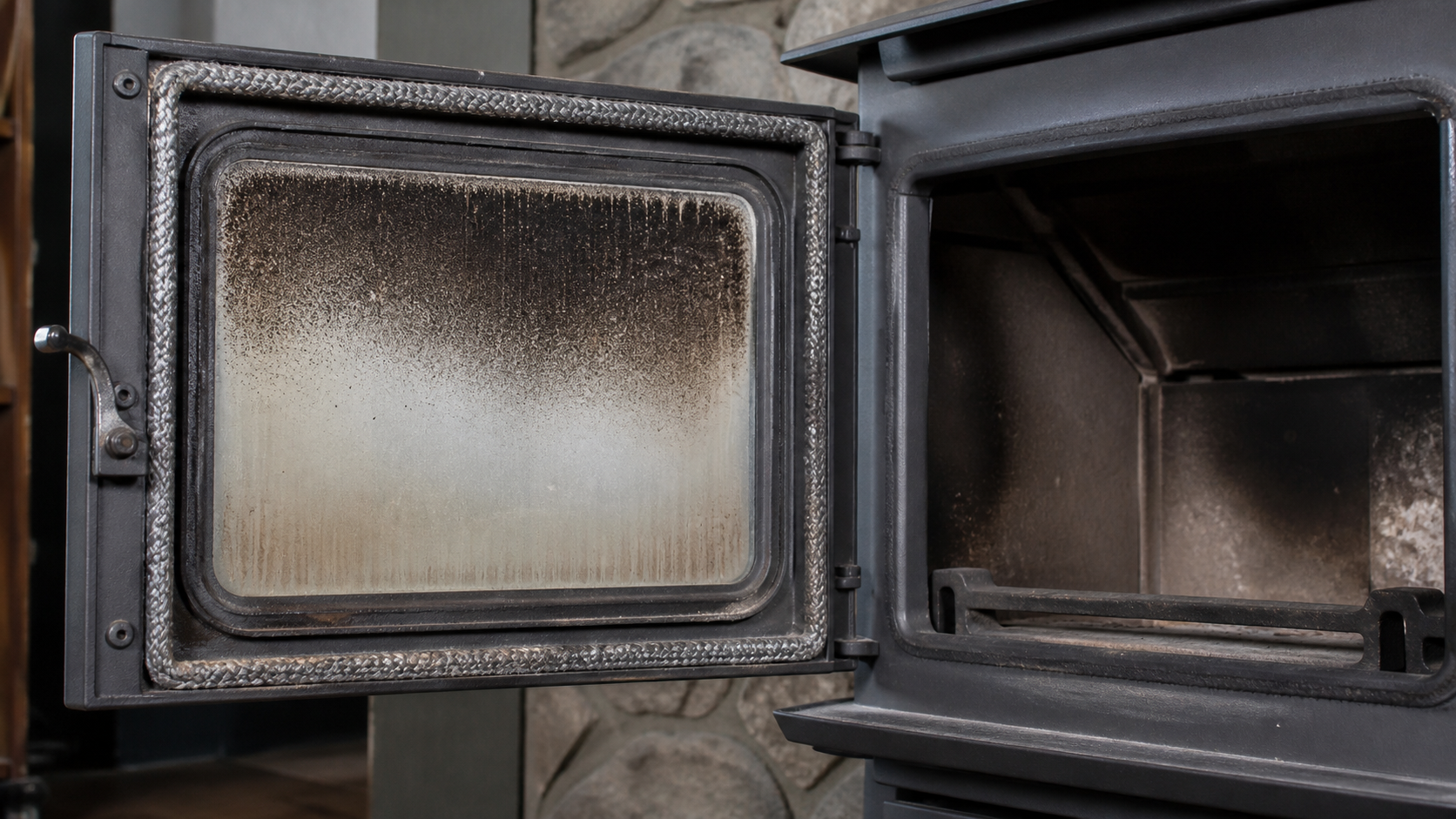
A reliable answer to this topic begins with a decision statement: whether the deposit is routine removable soot or evidence of combustion, sealing, or surface damage. That statement prevents a broad material claim from replacing an application-specific requirement. The team should identify the cold installed door with the deposit pattern photographed before cleaning and the appliance model identified as the qualification unit. Testing only a convenient coupon can miss interfaces, edge conditions, supports, coatings, seals, or process history that determine whether the finished product works. The approved drawing, revision, test sample, and operating assumptions should therefore use the same configuration.
Build the validation sequence around the damage and variation that the part will actually experience: fuel moisture, low-fire operation, restricted air, weak draft, repeated cleaning, gasket leakage, and thermal cycling. These exposures should not be selected as impressive numbers without context. Their severity, order, dwell, recovery period, and sample orientation need to be written down. Combined exposure is often more revealing than isolated tests because cleaning can weaken a hot surface, a thermal cycle can change a seal, and handling damage can become critical only after the assembly is loaded.
Record evidence that can be compared before and after exposure. For wood-stove glass cleaning, the useful evidence includes deposit location and recurrence, air-wash condition, gasket seating, approved-cleaner response, scratches, cracks, chips, and seal integrity. Define the instrument or inspection condition, sample count, acceptance limit, and treatment of borderline results before testing begins. Photographs help with traceability, but they do not replace measurements where a specification calls for a number. Conversely, a single numeric result does not replace a whole-part visual and functional inspection.
The failure review should remain tied to plausible mechanisms. In this case, cleaning hot glass can cause thermal shock; abrasive tools can scratch it; rapid blackening may return until the combustion cause is corrected. When a result fails, preserve the sample and process record, identify where the change began, and decide whether the cause lies in material, geometry, processing, assembly, operation, or the test itself. Repeating the same test without correcting an uncontrolled variable can produce a reassuring result without resolving the underlying risk.
Use staged approval. First confirm material identity and drawing completeness. Next approve a representative first article. Then run the defined durability or service simulation. Finally, verify that production controls can reproduce the qualified part. Return the stove to service only when the glass is intact, the door seals correctly, and the method matches the appliance manual. Any later change to material source, geometry, surface treatment, thermal recipe, support, seal, or test method should trigger a documented review rather than an automatic carry-over of the old approval.
For purchasing, request a concise evidence package instead of a generic claim. It should contain the controlled drawing, material designation, critical-process statement, inspection method, acceptance criteria, sample or lot identification, and nonconformance path. For engineering, keep a signed master sample where appearance matters and store raw measurements with the report. This makes supplier comparisons fairer, shortens root-cause work, and prevents a marketing phrase from becoming an undocumented safety or lifetime promise.
| Stage | Control | Evidence | Why it matters |
|---|---|---|---|
| Loose gray or brown film | Normal use or light deposits | Cool glass; soft cloth and approved cleaner | Record how quickly it returns |
| Rapid black soot | Wet wood, low burn, restricted air or draft issue | Check fuel and operating guidance | Treat cause, not only appearance |
| Edge-localized deposit | Air-wash, alignment or gasket issue | Inspect channels and seal when cold | Service if persistent |
| Crack, chip or fixed iridescent mark | Damage or surface change | Stop aggressive cleaning and seek service | Do not operate damaged glazing |
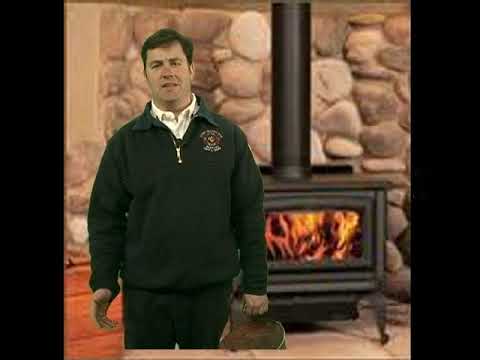
Educational video: Woodstove Safety PSA (2013) by Bedford Fire Department. This neutral public-safety video reinforces safe wood-stove operation and maintenance; it is not a substitute for the appliance manual or professional service. Watch on YouTube.
Approval is not the end of the wood-stove glass cleaning and maintenance process. Record the approved supplier, material designation, drawing revision, manufacturing route, inspection method, reference sample, and test-report identifier in one controlled release file. Purchasing should require advance notice when any of those inputs changes. Engineering can then decide whether the change needs document review, limited confirmation testing, or full requalification. This is especially important when two parts have the same nominal dimensions but differ in glass composition, edgework, coating, thermal history, support, gasket, or packaging.
Incoming inspection should verify the characteristics that can drift or be damaged before assembly, while periodic audits should confirm the properties that cannot be checked economically on every part. Keep nonconforming samples long enough to support root-cause analysis, and link corrective actions to the affected lots and assemblies. A clear deviation process allows a temporary concession only when the responsible engineer has reviewed function, safety, appearance, and traceability. Verbal approval or a supplier’s general datasheet should never silently replace the controlled product requirement.
No. Allow the stove and glass to cool fully to avoid burns and thermal shock.
Common causes include wet fuel, low air, weak draft, and prolonged smoldering.
Use only products approved by the stove manufacturer; aggressive cleaners may damage the surface, print, gasket, or frame.
Most high-temperature stove viewing panels are transparent glass-ceramic, but the appliance specification controls.