An induction hob pause function temporarily changes cooking operation so you can resume according to the appliance’s instructions. It is not a universal emergency stop, a child lock or permission to leave cooking unattended. Depending on the model, pause may reduce active zones rather than remove all heat, and timer behavior can vary. Identify the exact function in your manual, check every active zone and confirm what will happen on resuming. If you need cooking to stop, use the documented off control instead of assuming a pause symbol means everything is off.
This guide focuses on planned interruptions and safe resumption. It separates pause from several similar-looking functions and gives you an observation method when the panel seems confusing. The appearance of a glass surface cannot tell you what its controller does; a generic button sequence can therefore create more uncertainty than it resolves.
Pause addresses an interruption during a cooking session. A control lock prevents certain accidental inputs. A recall function, if provided, restores settings under documented conditions. Off ends active cooking according to the appliance design. These functions may share an area of the control panel, but their purposes are different. Read the heading and the limitations in the manual rather than matching an icon from memory.
For example, the Electrolux function overview describes a pause implementation that reduces active zones to their lowest setting and restores earlier levels on resuming; it also notes that running timers continue. That is an example for supported appliances, not a promise about another brand, model or control board.
| Your intended action | Function to identify in the manual | What to verify |
|---|---|---|
| Briefly interrupt a supervised cooking task | Pause or the model’s equivalent | Affected zones, heating state, timers and resumption behavior |
| Prevent accidental control changes | Control lock or child lock | Whether current cooking remains active |
| Finish cooking or leave the cooking area | Off control | Zone indication and retained heat precautions |
| Recover settings after an interruption | Recall, if fitted | Time conditions and settings that actually return |
Look at the food first. A pan about to boil over, hot oil or a nearly dry saucepan needs an immediate cooking decision, not an experiment with a function you have never used. Reduce or stop heating as the situation and manual require. If a hazardous condition develops, follow the appliance’s safety instructions rather than trying several menu combinations.
Identify each active cooking zone and its setting. Note whether a timer is running and whether another person is using a second pan. A global pause can affect more than the zone closest to the button. Tell the other cook what you are doing so that an unexpected reduction or resumption is not mistaken for a fault.
Keep the controls clear of cloths, utensils and spill residue. Do not wipe a hot surface with an unsuitable wet cloth or place a manual on the hob. If you cannot read the panel from a safe position, stop and resolve that problem before relying on a temporary mode. Clear access to the off control remains important throughout the interruption.
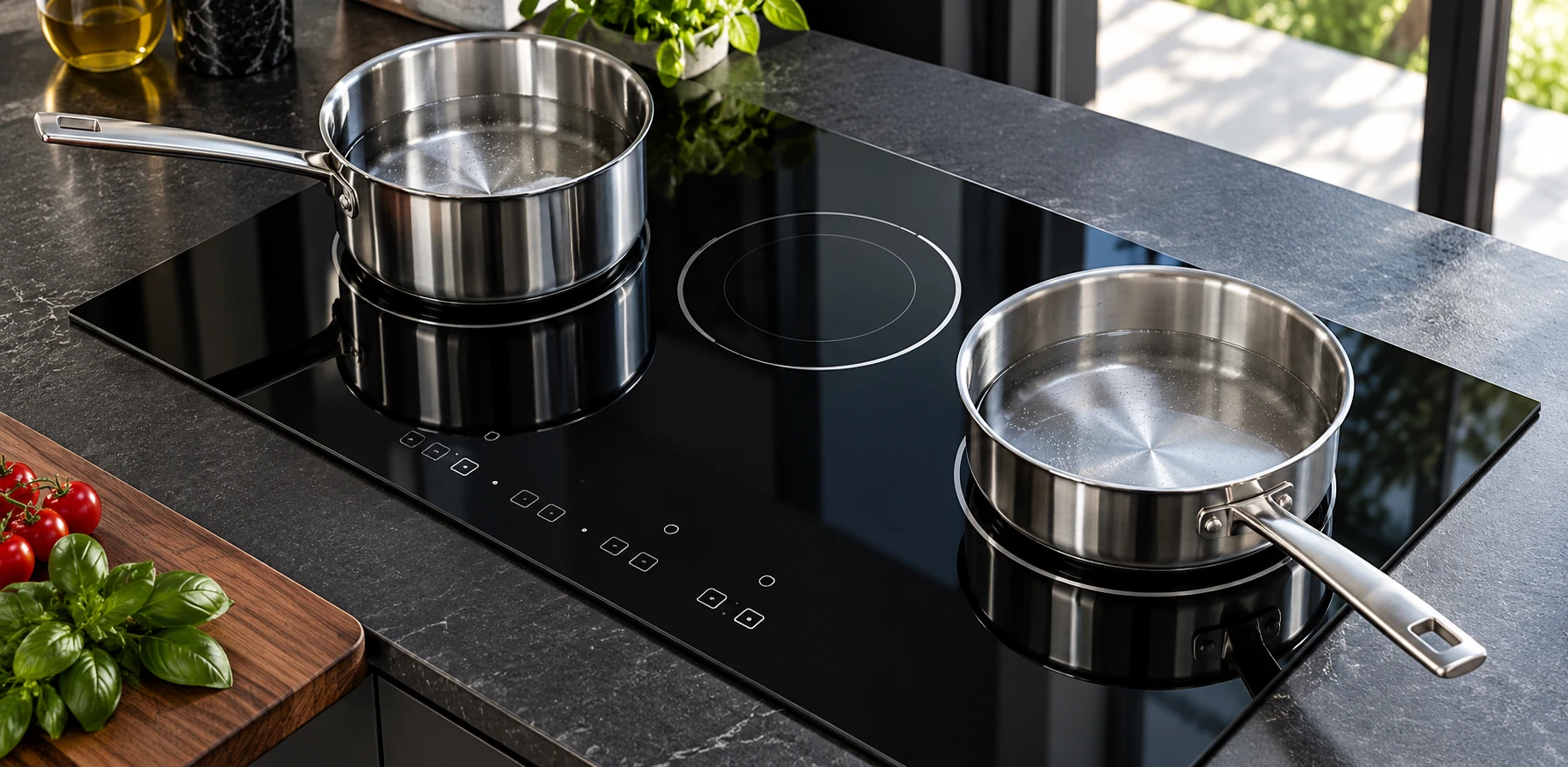
Use only the sequence documented for your model. After activation, check the relevant symbol and the indications for all active zones. Listen for any confirmation described in the instructions, but do not treat a beep alone as proof of a specific heating state. A touch can be rejected or interpreted differently when a lock or another function is active.
Do not judge the setting solely by the appearance of water or food. A heavy pan can retain substantial heat after its power input changes, while a smaller pan may respond differently. Bubbling can continue briefly even when a setting has been reduced. Equally, the absence of visible bubbling does not prove that the zone is off.
Read any stated pause duration, cancellation rule or incompatibility with automatic cooking modes. Where the manual is unclear about a combination, avoid depending on it during a demanding recipe. Contact the appliance maker for clarification rather than assuming that behavior demonstrated on a different hob applies to yours.
A temporary reduction in power does not necessarily freeze a countdown. If a zone timer continues while cooking is paused, the remaining duration may be different when you resume. An independent minute minder may continue sounding its alarm without controlling a zone at all. Identify the timer type and its stated relationship with pause.
Before resuming, compare the remaining time with the actual state of the food. Do not simply add the interruption length: retained heat, ingredient changes and the appliance’s pause behavior make that an unreliable universal correction. Adjust cooking based on the recipe and direct observation while staying present.
If you are unsure whether you selected a timer or a reminder, use the dedicated timer section in the manual. Keep timing and heat settings as two separate entries in any troubleshooting note. This prevents a timer reaching zero during pause from being misreported as an unexplained zone failure.
Return attention to the hob before cancelling pause. Check that cookware is still correctly positioned, that the surface and controls are clear, and that nothing has changed in the pan that makes the previous setting unsuitable. Food may have thickened, a lid may have been added or another cook may have moved a pan.
Resume using the documented control and inspect each zone’s indication. A restored setting may be higher than you now need. Reduce it promptly when appropriate rather than treating a stored level as a recommendation for the next stage of cooking. Continue observing the food during the transition.
If a zone does not return as expected, do not keep pressing pause repeatedly. Check whether a timer ended, a lock is active, cookware is no longer detected or a special cooking mode has different rules. The separate pan-detection guide helps separate cookware recognition from a control setting, without opening the appliance.
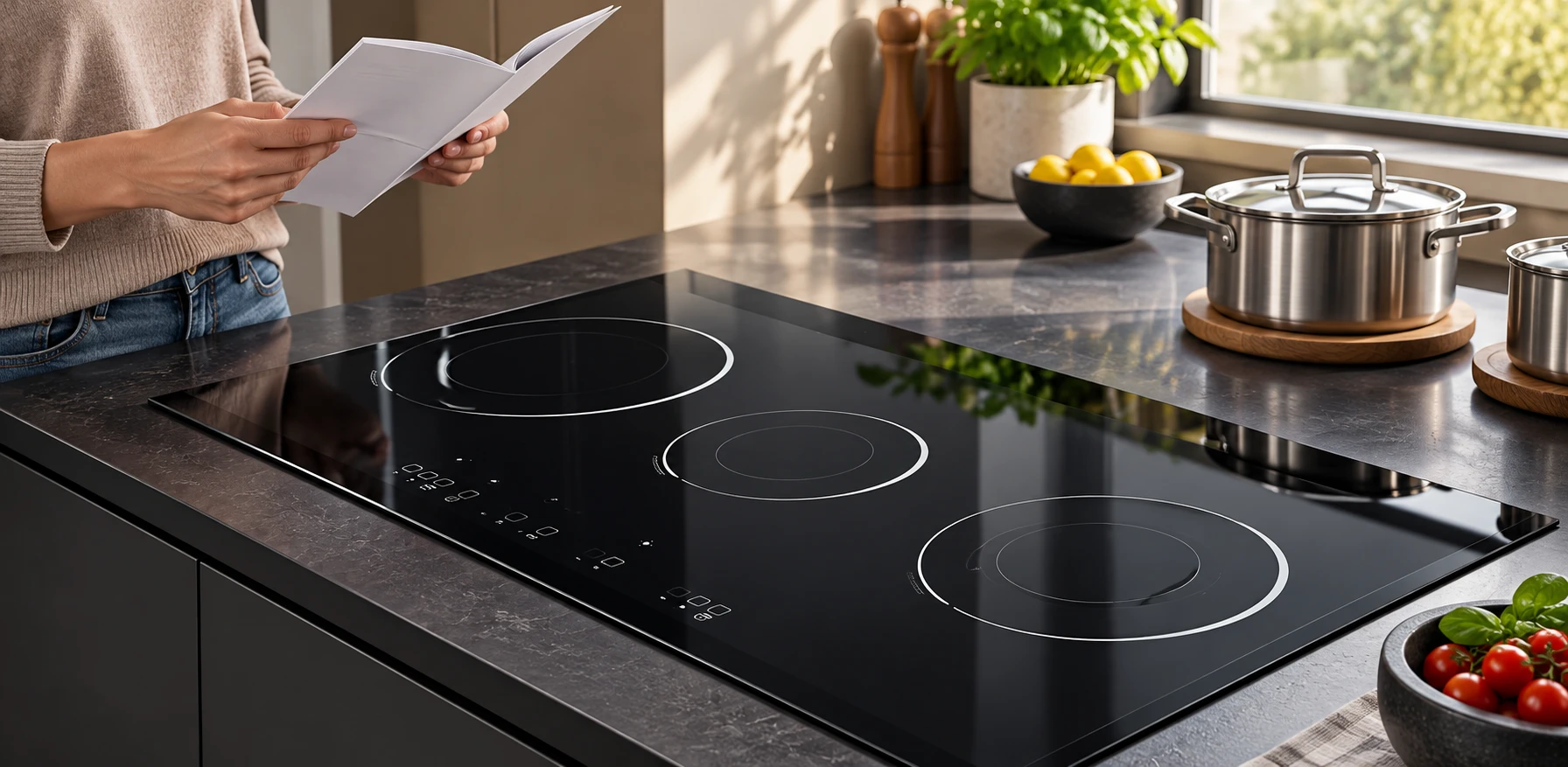
The Department of Energy induction overview describes energy transfer to suitable cookware. A pan can still heat the glass by contact. Whether a controller is paused, running or off, follow the appliance’s residual-heat warnings and keep hands away from surfaces that may be hot.
The U.S. Fire Administration cooking advice supports active supervision and keeping combustible items away from cooking. A pause button does not replace those practices. If you need to leave the cooking area, make an appropriate decision to stop cooking rather than relying on a temporary mode.
Do not use pause as a way to hold food safely for an undefined period. That is a separate food-temperature and storage question. An appliance feature that changes power is not a verified food-safety procedure. Follow the food instructions and avoid turning a brief interruption into unattended warm holding.
If resumption is inconsistent, record the model, active zones, original settings, timer status, displayed symbols and the order of inputs. Note whether the surface was clean and dry and whether the issue happened with one pan or several. Use an existing safe observation rather than deliberately recreating an overheating event.
Distinguish pause problems from ordinary regulation. The article on induction pulsing addresses changing power delivery during normal cooking. If the whole appliance stops unexpectedly, the shutdown guide offers a different decision path. Neither symptom automatically means that the glass panel needs replacement.
Stop using a malfunctioning function and seek qualified advice when the manual directs it, particularly if controls do not respond reliably or there is damage, unusual odor or an electrical warning. Do not remove the glass, bypass interlocks or substitute a generic control-board reset found online. Service decisions belong to the appliance’s documented process.
For an appliance development project, specify the visible pause indication alongside controller behavior. Define which zones change, how resumption is communicated, what happens to timers and how the manual explains an interruption. Test the assembled interface with representative users rather than approving the printed symbol in isolation.
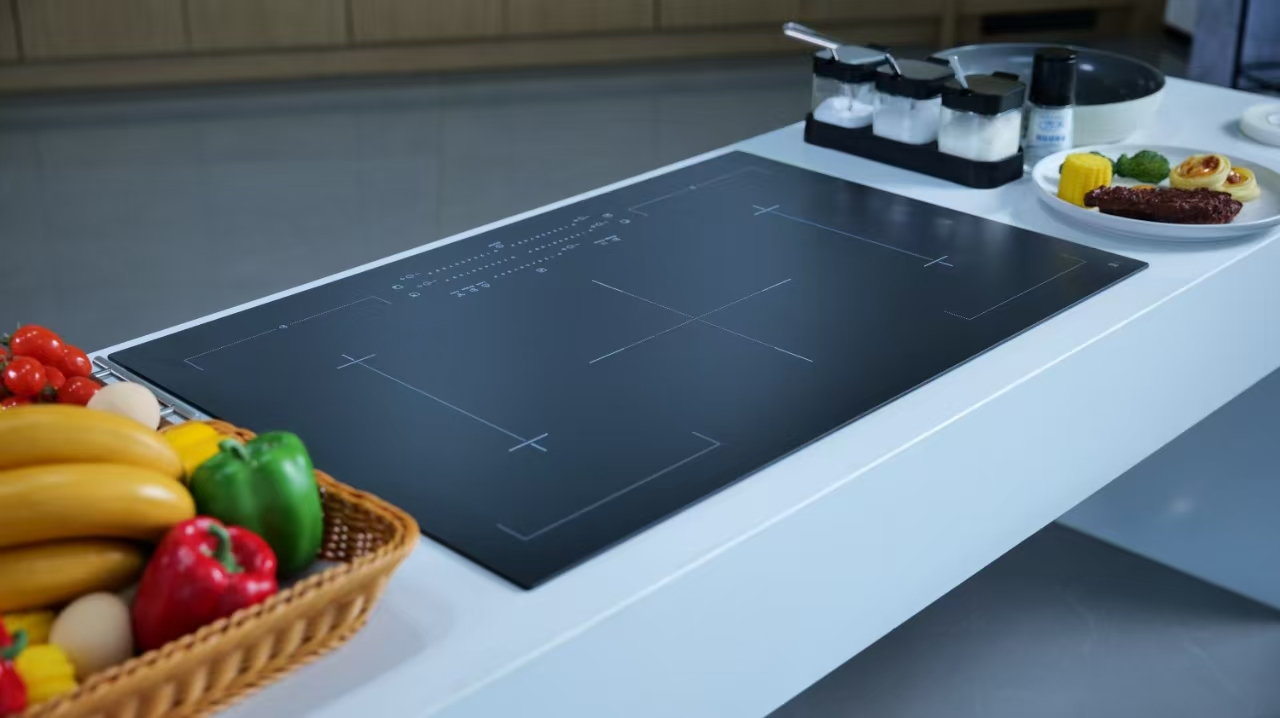
Kanger’s glass-ceramic cooktop panels and black glass-ceramic material overview support the physical panel discussion. Confirm artwork alignment, contrast and surface requirements with the controller and appliance team. Printed glass does not itself establish a pause algorithm, safe holding temperature or certification.
This Branch Education video introduces touchscreen principles. It provides background for understanding why the glass interface and the electronics interpreting a touch are different parts of a system. It does not demonstrate your hob’s pause sequence or replace its operating manual.
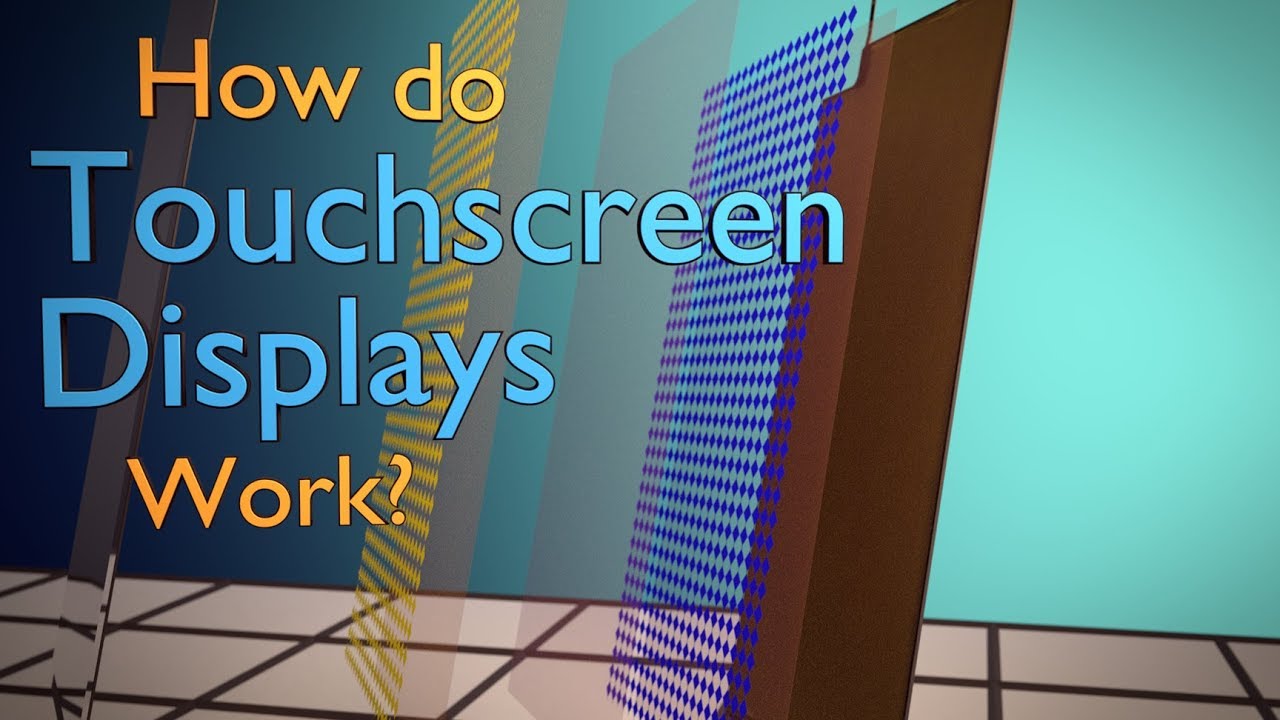
Video: How Do Touchscreens Work?, Branch Education. Open the educational video on YouTube.
No. Pause can change heating temporarily and may leave zones at a reduced setting. Follow the exact manual and use the documented off control when cooking must stop.
Not necessarily. Check the model’s timer and pause sections together, and inspect the remaining duration before resuming.
Do not rely on pause to make unattended cooking safe. Make an appropriate decision to stop cooking before leaving the cooking area.
Not by itself. Controller settings, timer behavior, cookware detection and input conditions can affect operation. Record the symptoms and follow the appliance service guidance.