Induction hob digital thermometer interference can make a nearby electronic food thermometer behave unexpectedly on some equipment combinations. Do not accept an unstable reading or invent a correction factor. Check the thermometer instructions and, when the equipment maker recommends it, briefly switch the hob off or take the reading away from the operating cooking area using a safe handling method. If the problem persists, investigate the instrument separately and contact the relevant manufacturer. An unusual number alone does not identify a defective pan or glass panel.
This guide concerns a changing or unreliable electronic reading near an operating hob. It is different from selecting an infrared surface thermometer, positioning a food probe, or diagnosing an appliance error code. Keep those questions separate so that a useful observation does not become an unsupported repair decision.
Identify whether you are using an instant-read food probe, a wired cooking probe, a wireless system or an infrared instrument. They are not interchangeable ways to measure the same location. Record the exact model and read its instructions for intended use, sensing area, battery condition and any induction-related note before comparing results.
The distinction matters when a pan looks hot but an instrument gives an unexpected number. infrared readings on cookware surfaces addresses surface readings, while probe position and pot-clip checks addresses physical probe placement. Neither an exterior surface temperature nor a poorly positioned probe can establish the internal condition of a meal. First define the measurement you actually need, then choose the appropriate instrument and method.
ThermoWorks guidance on induction interference describes temporary interference with some digital thermometers near powered induction equipment and suggests a brief switch-off or a reading away from the hob. That supports a possible troubleshooting route; it does not establish that every erratic display has the same cause. Different cooktop and thermometer models can behave differently.
Treat interference as a hypothesis to investigate, not as permission to disregard a warning. The glass surface is one part of the appliance assembly, not a diagnostic display for the thermometer. No change in a handheld reading can by itself demonstrate the electromagnetic performance, certification or condition of a particular Kanger panel or finished appliance.
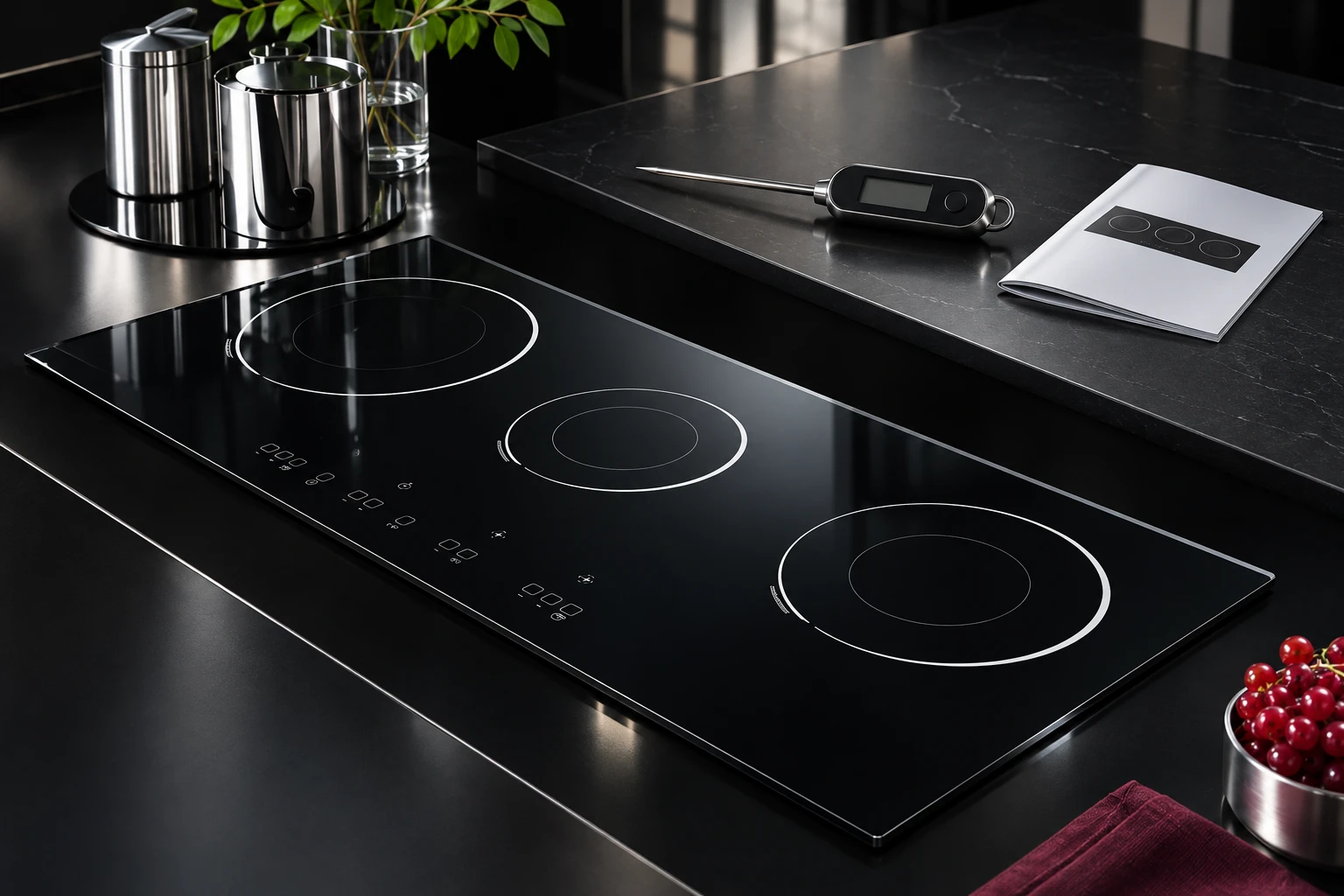
Look for a low-battery message, damaged probe, contaminated connection or an operating mode that differs from the one intended. Follow the instrument manual for inspection and cleaning rather than opening sealed electronics. Confirm the displayed unit and whether the number is a live reading, a held value or a stored maximum. A mode mistake can otherwise look like an unexplained temperature change.
Write down what the display does: jumps between numbers, shows an error, freezes or loses a connection. Do not combine these descriptions into the word inaccurate without evidence. A clear symptom record lets support distinguish a communication issue from a probe or power problem and avoids buying a replacement vessel to solve an unrelated instrument setting.
Before moving anything, prepare a stable heat-resistant support, clear the route and keep people away from the carrying area. Consider the vessel’s weight, contents and handle arrangement. Do not carry a full hot pot across a room simply to test an idea. If the equipment instructions offer a suitable switch-off method, that may avoid an unnecessary transfer.
Do not stretch a wired probe over touch controls or pull its cable to move the pan. Follow its operating limits and disconnect only as instructed. A thermometer check should not create a spill, a trailing cable or an unattended cooking situation. When a safe comparison cannot be arranged, stop the experiment and ask the manufacturer for a suitable procedure.
| Observation | Controlled check | What it can establish |
|---|---|---|
| Display changes only near an operating zone | Follow maker guidance for a brief off-zone or power-off reading | A possible association worth reporting, not a calibration |
| Error remains away from the hob | Check the instrument manual, battery and permitted verification method | The issue is not resolved by location alone |
| Reading changes after probe movement | Review sensing position and contact with the vessel | Placement may be contributing |
| Infrared and probe readings differ | Identify the surface and internal locations being measured | Different measurement targets may explain the difference |
| No trustworthy food reading is available | Use a suitable verified measurement route | Do not declare food ready from a questionable number |
The first check reflects the cited thermometer guidance. The remaining rows organize observations rather than assign a universal fault diagnosis. There is no general distance, waiting time or numeric adjustment that this table can approve for all installations.
The thermometer manufacturer guidance describe an induction-related measurement issue for digital instruments. Read the instructions supplied with your exact model as well, rather than treating a general support note as its complete operating manual. Keep any recommended alternative within the intended measurement task and the alternative instrument’s own instructions.
Avoid adding foil shields, magnets, improvised grounding wires or metal covers around a thermometer or appliance. Those changes are not established by the cited guidance and may introduce new operating problems. Do not remove the glass panel or bypass pan detection to investigate a handheld accessory. Appliance service belongs with the responsible qualified service provider.
CDC food-safety and internal-temperature guidance explains that checking internal temperature is part of assessing appropriate cooking. Use its current food-specific guidance and the thermometer’s correct placement instructions. A cooking time, browned surface or familiar recipe is not a substitute for resolving an unreliable measurement when a temperature check is required.
If you cannot obtain a trustworthy reading, do not choose the higher of two conflicting numbers simply because it allows serving to continue. Use an appropriate working instrument and safe process. This article does not assign universal cooking temperatures, rest periods or holding times; consult the relevant public guidance for the actual food and situation.
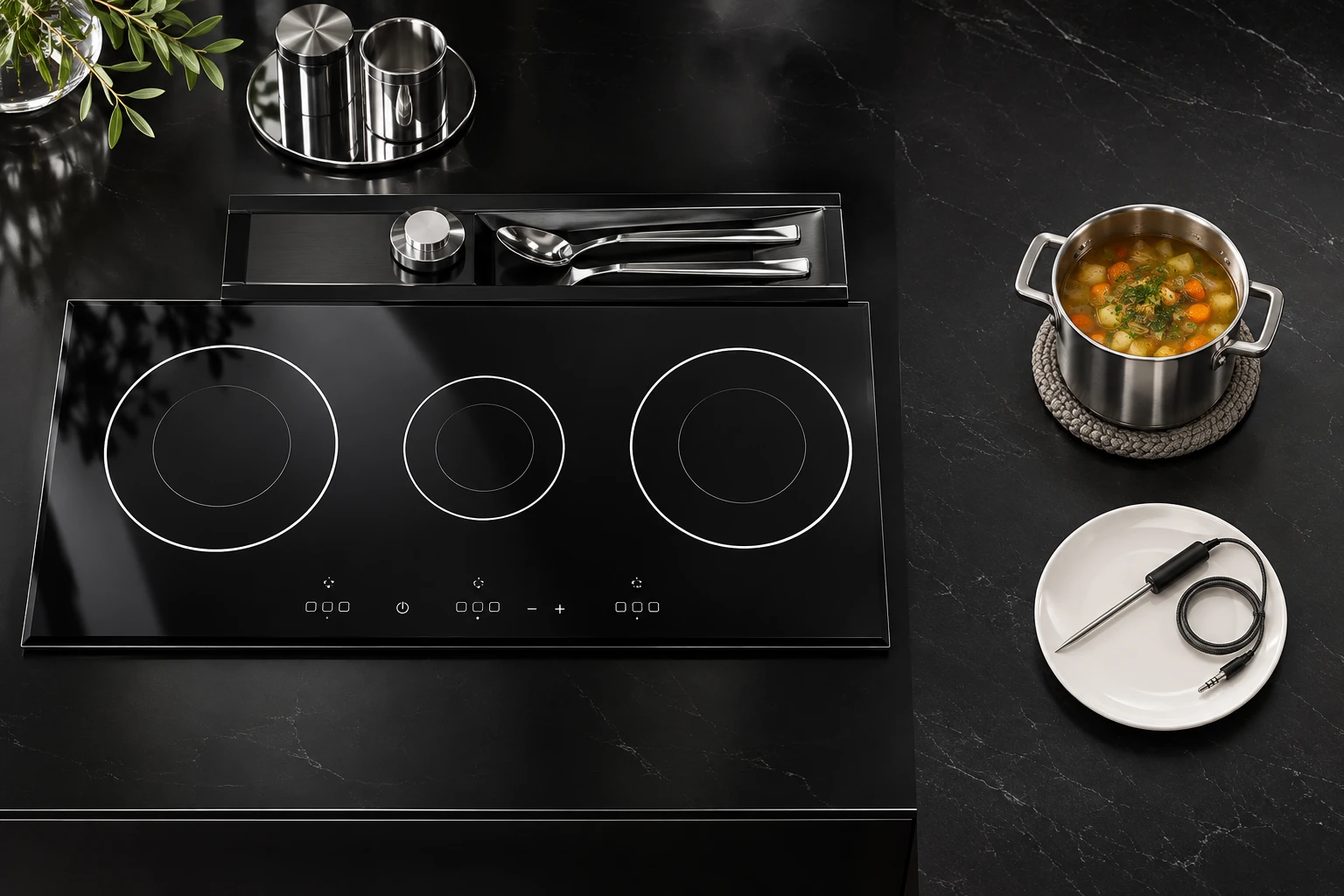
If support requests a reproducible description, record one ordinary observation and one safely obtained comparison. Note whether the hob was operating, which zone was used, where the instrument housing was located and whether the probe position changed. Include the cookware model and the kind of contents without inventing a measured field strength.
Do not repeatedly heat an empty vessel, run a zone without appropriate cookware or create a deliberate overheat condition. Such tests introduce risks and do not isolate the thermometer issue. A short factual record made during permitted operation is more useful than a long sequence of improvised experiments with several settings changed together.
A vessel that works on induction and an accessory that reads reliably are two different compatibility questions. An accessory display problem does not show that the vessel needs a different base or an adapter. If the hob also reports a pan-recognition error, document that as a separate symptom and follow the appliance manual.
For purchasing checks, induction cookware base selection explains why base construction and appliance requirements matter. Do not use this measurement guide to approve a pan size or construction. Equally, replacing an otherwise suitable vessel is not an evidence-based first response to an electronic reading that has not yet been checked against its own manual.
Collect the thermometer model, probe or cable reference, cooktop model and displayed messages. Add a photograph taken safely without holding a phone above hot contents. Describe whether the issue continues when the instrument is away from the operating hob, but avoid saying that a controlled electromagnetic test has been performed. Ordinary kitchen observations are not laboratory measurements.
Ask for a recommended measurement arrangement and any model-specific restrictions. Keep the written reply with the instrument manual so another cook does not repeat a failed workaround. If support identifies a damaged component, follow its service route rather than substituting an accessory with an unverified connector or temperature range.
Kanger black glass-ceramic cooktop panels concern an appliance’s glass-ceramic surface. The black glass-ceramic material guide gives the relevant material background, while the finished appliance manufacturer is responsible for its control system, operating instructions and accessory guidance. A reference photograph or panel material description cannot certify a complete cooktop and thermometer combination.
For equipment buyers, request the finished appliance documentation and check the intended temperature-measurement workflow before specifying accessories. Keep evidence for material selection, cookware suitability and electronic accessory behavior in separate records. That makes a small practical problem easier to resolve without turning it into an unsupported claim about the whole cooking system.
This independent explanation provides background on induction heating and vessel geometry. It supports understanding the operating context; it does not test thermometer interference, calibrate a probe or approve any Kanger appliance.
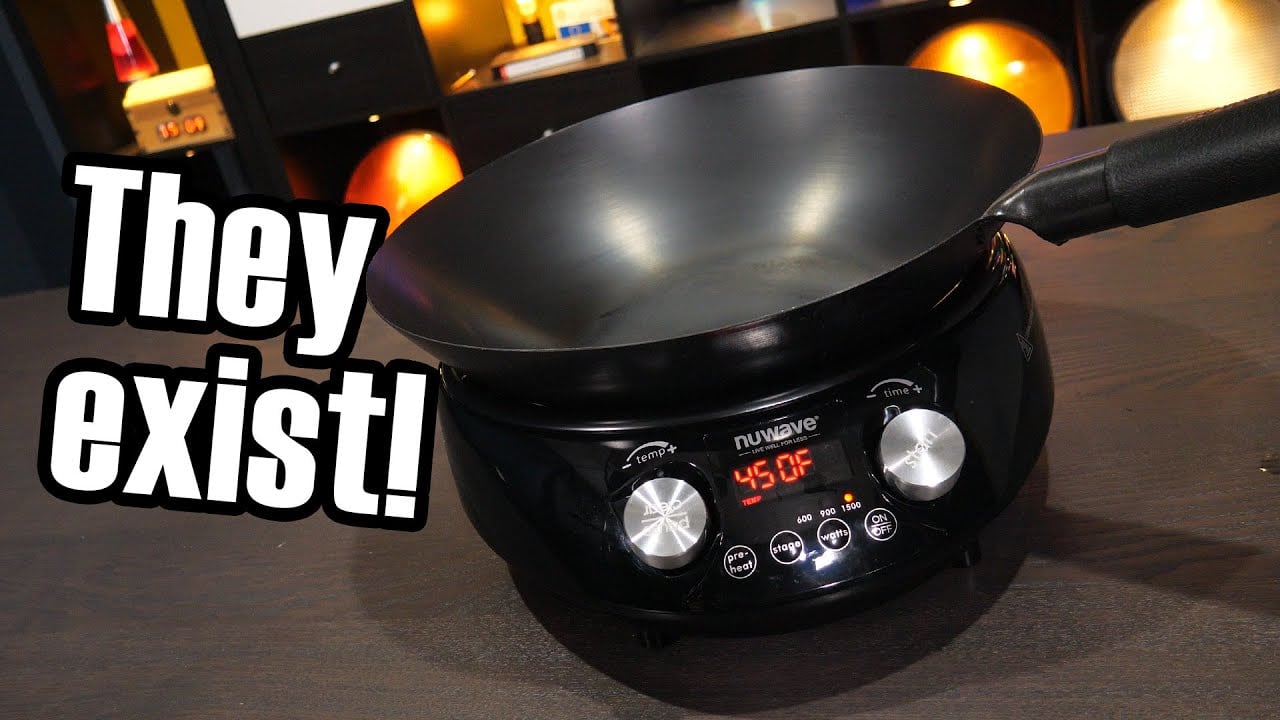
Video: Induction cooking – but what about woks?, Technology Connections. Open the educational video on YouTube.
Some equipment combinations can show temporary interference. Consult the thermometer and cooktop instructions rather than assuming every unstable reading has that cause.
No. An unstable reading is not a known offset. Obtain a trustworthy reading with a suitable instrument and approved method.
No. Record the symptoms and check the instrument. A handheld reading alone does not identify a panel or appliance defect.
Not automatically. It measures a surface, while food-safety checks may require an internal measurement with a suitable probe.



