Induction cookware food storage permission depends on the exact vessel, interior finish and intended storage system. Being suitable for induction does not mean a pan is approved for refrigerating food, holding acidic ingredients or using a particular storage cover. Check the maker’s instructions for the model and lid, then apply food-safety guidance separately. If cookware storage permission is absent or unclear, use an appropriate food-storage container rather than treating a fitted cooking lid as approval.
This guide answers a product-permission question. It does not assign one storage time to every dish, certify a container as leakproof or replace public food-safety advice. The glass cooktop panel, the cookware body and the food each have different requirements that need to be considered together.
First ask whether the vessel is approved for the intended food-storage use. Then ask whether the lid or cover is the correct storage component. Finally, follow the applicable cooling, refrigeration and reheating guidance for the food itself. A yes to one question does not answer the others, and a convenient fit in the refrigerator does not establish any of them.
For the food-handling side, consult UK government chilling, freezing and defrosting guidance. Follow its current instructions directly rather than treating this article as a substitute for a food-specific decision. Cookware instructions can restrict particular ingredients or uses even when a public food-safety process would otherwise be appropriate for a suitable container.
Find the model reference and material description, including whether the interior is uncoated, enamelled or nonstick. A stainless exterior or magnetic base is not enough to identify the food-contact surface. Sets may contain different finishes, and a replacement lid may come from a different product generation. Check the individual piece instead of relying on the set’s general name.
Keep the heating question separate. stainless cookware induction-base checks explains base-related induction selection, but successful cooking does not certify later storage. The same pan can meet a heating requirement while its care document limits holding food. Do not use a successful meal as evidence that the pan is approved for long storage or every ingredient.
Search the model instructions for storage, refrigeration, acidic food, marinating and compatible lids. Read the surrounding section so that a permission for a dedicated system is not applied to the entire brand. If a document gives a restriction, preserve its exact scope in your own note and ask support about anything the document does not explain.
Groupe SEB cookware safety instructions contain distinct Ingenio storage limitations, while Le Creuset material-specific care instructions include range-specific advice against storing food in certain pans. These examples demonstrate variation; they do not create one rule for all vessels. Nor do they establish a food-storage approval for Kanger glass panels, which are appliance surfaces rather than food containers.
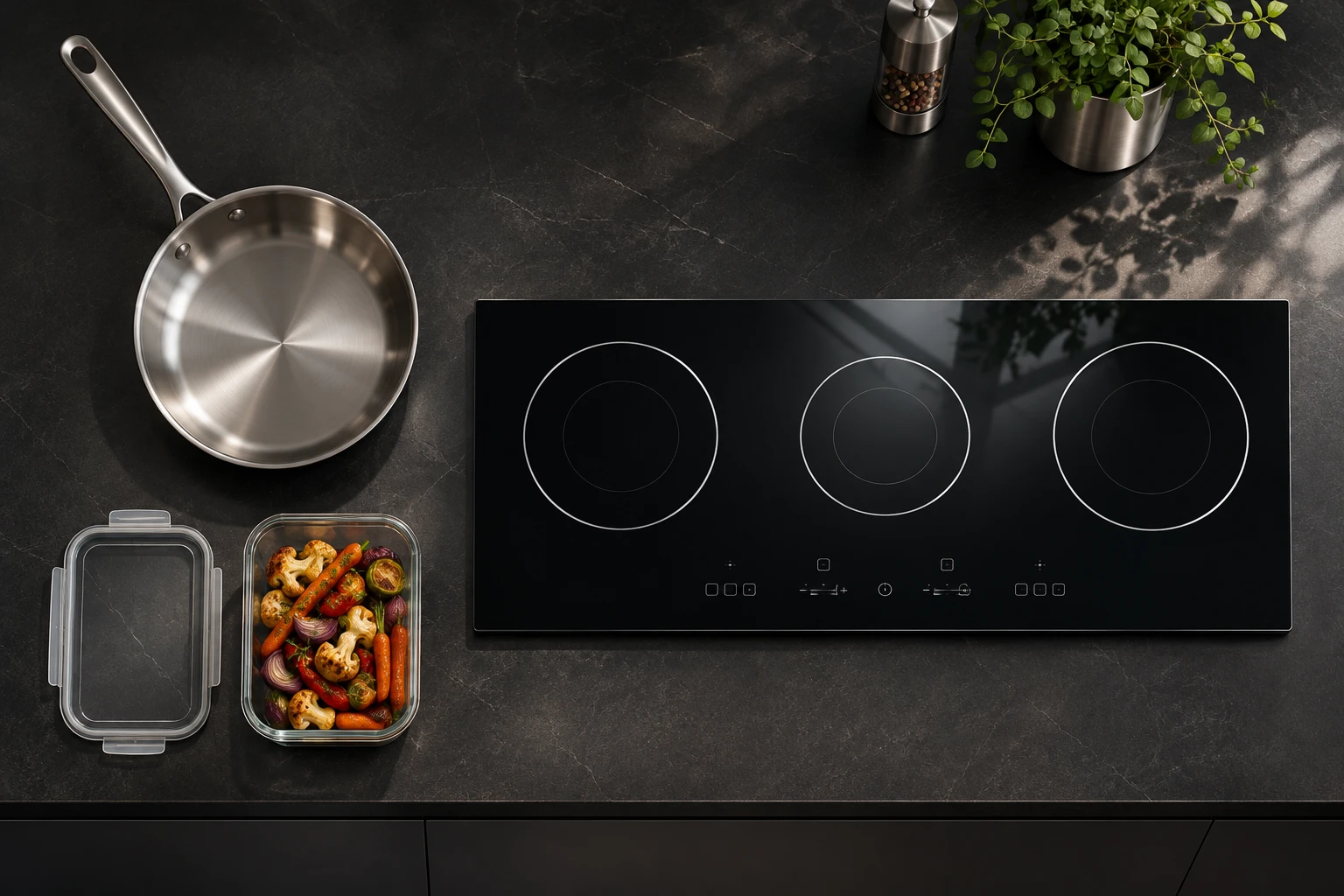
A cooking lid can fit a pan without being intended to seal food for storage or transport. Check whether the maker identifies a dedicated storage lid, which vessel sizes it fits, and what restrictions apply. Avoid describing an unverified lid as airtight, leakproof, freezer-safe or suitable for reheating simply because it closes over the rim.
Inspect a storage cover according to its own instructions before use. A warped, cracked or mismatched part needs assessment or replacement. Do not repair a closure with tape or modify a handle to make the pan fit a refrigerator shelf. Those changes do not establish a safe storage assembly and can create problems when the item is lifted later.
| Check | Evidence needed | If it is unresolved |
|---|---|---|
| Pan body may hold food | Model-specific storage instruction | Choose an appropriate food-storage container |
| Food type is permitted | Any ingredient or surface restriction | Do not infer approval from another recipe |
| Cover belongs to this vessel | Correct storage-lid identification and fit | Obtain the right component or use a different container |
| Food handling is appropriate | Applicable cooling and refrigeration guidance | Consult public food-safety guidance directly |
| Later reheating route is permitted | Separate vessel and lid heating instructions | Transfer to a suitable vessel by an appropriate process |
This table combines product-permission checks from the cited care documents with a separate food-handling check. It deliberately supplies no universal refrigeration period or maximum holding time. A product’s restriction and food-safety guidance must both be respected; neither replaces the other.
Plan the storage container before cooking when leftovers are expected. That avoids searching for a manual while food waits on the hob. Choose a suitable location and containers consistent with public guidance, and ensure the available refrigerator space can accommodate the intended arrangement. Do not use a switched-off cooking zone as a long-term storage area.
If permission is uncertain, resolve the cookware question without experimenting with a meal. Use a container intended for the food-storage task and retain the pan’s instructions for later clarification. This is a practical way to avoid allowing a product-identification delay to determine how food is cooled or put away.
Follow the cookware maker’s directions for temperature transitions, handling and avoiding thermal shock. Do not assume that a vessel approved for some refrigerator use may be moved through any temperature change or plunged into cold water. Handle the food according to public guidance using suitable containers and methods rather than inventing a universal waiting period for the pan.
Keep hot cookware on an appropriate heat-resistant surface and away from shelf edges or people passing through the kitchen. A storage lid should not be used as a handling device unless the manufacturer explicitly designed it for that purpose. When a detachable handle is involved, consult removable-handle compatibility and the exact assembly instructions before lifting the vessel.
Some care documents address acidic, salty or other foods in relation to prolonged contact with a particular surface. Do not reduce these restrictions to a claim that one material name is always suitable or always unsuitable. Follow the actual wording and ask support if a proposed recipe or use is outside the documented instructions.
Record what the maker has confirmed rather than creating your own chemical compatibility chart. A visible lack of staining after one meal does not validate repeated storage. Conversely, a discoloration does not by itself identify a cause. For unexplained interior marks, documenting suspected salt-pitting marks provides an observation workflow that keeps a surface enquiry separate from an unsupported diagnosis.
Refrigerator permission is not microwave, oven or hob permission. A plastic storage lid, detachable handle and cookware body can each have different limitations. Read their instructions separately before choosing a reheating method. Remove or replace components only as directed and avoid carrying an uncertain cold assembly onto a hot zone to test whether it behaves normally.
Follow the food-safety requirements for reheating as a separate step. The vessel’s ability to heat does not prove the food has been handled correctly. Where the product instructions and intended process do not align, use suitable cookware or containers for each stage rather than stretching one assembly across cooking, storage, transport and reheating without documentation.
After the food has been transferred or used, clean the vessel and cover by their permitted methods. Check the rim, interior and closure for retained residue or damage, then dry and store the empty components as directed. removing burnt food with surface-specific care addresses the separate issue of stuck food; storage permission should not be used to justify an aggressive cleaning method.
Do not use a scented or strong cleaner to conceal an unexplained odor. Ask the manufacturer about a persistent condition and provide the model, foods involved and cleaning history. If the food’s safety is uncertain, follow authoritative food-safety guidance; a clean-looking pan or a sealed lid cannot retrospectively prove that its contents were safe.
In a shared kitchen, record the exact vessel and matching cover, the permitted use, any stated restrictions and where the authoritative document is stored. Keep product permissions separate from meal dates and food-handling records. A short clear note prevents someone from mistaking a cooking lid for a storage lid or assuming every piece in a set follows the same rule.
For procurement, request written storage and component-care information before selecting cookware marketed for multiple uses. Ask for compatible replacement covers and whether parts have separate cleaning instructions. Avoid relying on a promotional picture of stacked pans in a refrigerator as proof of the intended food, duration or temperature-transition conditions.
Kanger black glass-ceramic cooktop panels address a glass-ceramic cooking surface, not a food-storage system. The black glass-ceramic material guide provides the relevant material background. Keep containers and heavy cookware away from touch controls and use the appliance’s own instructions for any contact with the panel. Do not claim that a panel’s heat resistance approves cookware refrigeration or food-contact performance.
A complete decision therefore identifies the pan, verifies the storage cover, checks the maker’s restrictions and follows public food-safety guidance. When any product permission is missing, a suitable dedicated container is the practical alternative. That keeps the induction heating function in its proper role without turning it into a promise about the rest of the kitchen workflow.
This independent educational explanation shows the relationship between induction heating and vessel geometry. It helps explain why a base that heats on induction says nothing about dishwasher permission, packaging removal or food-storage suitability. It does not demonstrate those care processes or approve any cookware model.
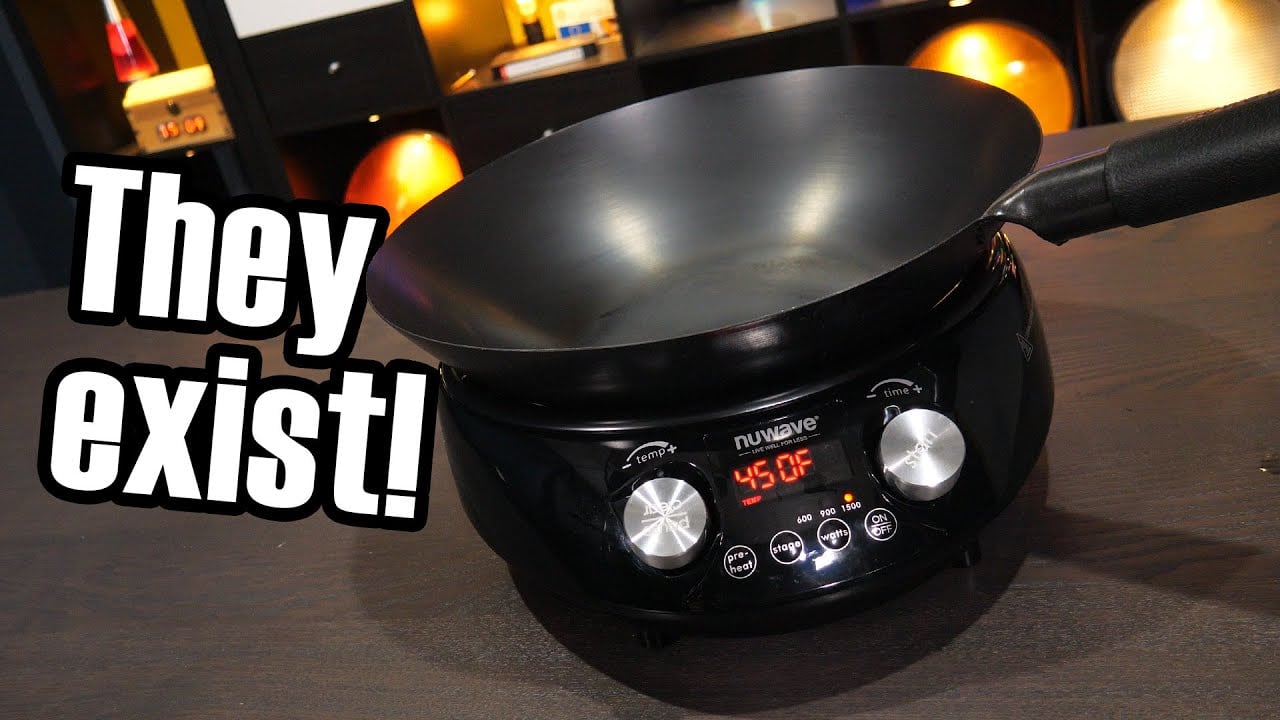
Video: Induction cooking – but what about woks?, Technology Connections. Open the educational video on YouTube.
No. Check the exact vessel’s food-storage instructions and the intended food. Induction compatibility does not supply storage permission.
Do not assume that. Use the maker’s identified storage cover and respect its fit and usage limits.
No. Storage, microwave, oven and hob permissions are separate, including permissions for lids and handles.
Use an appropriate food-storage container and ask the cookware maker to clarify the exact model. Follow food-safety guidance separately.



