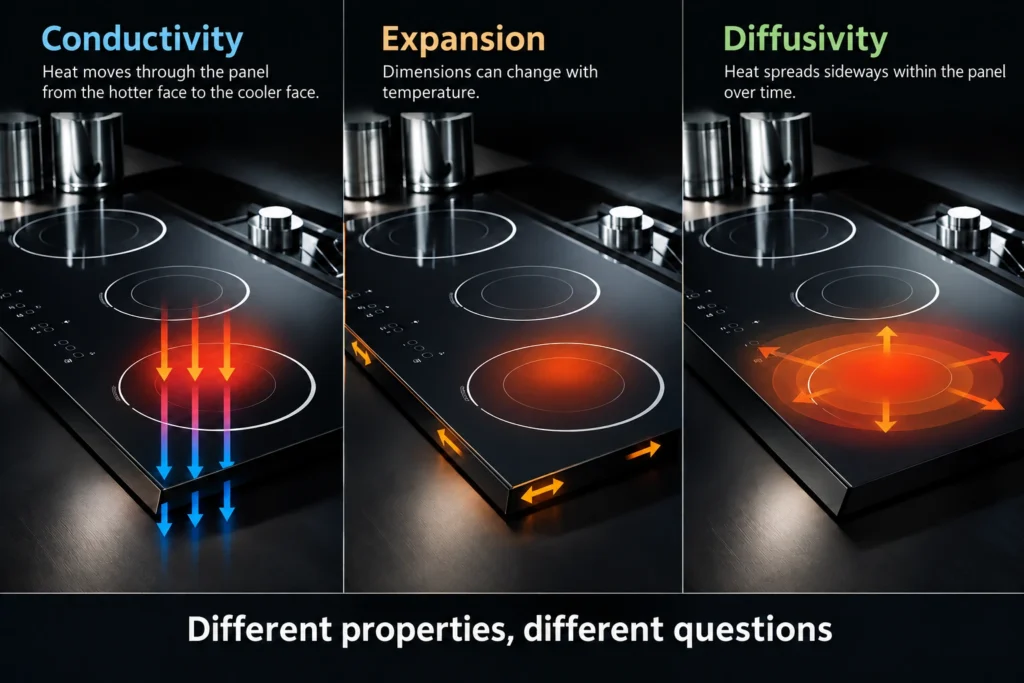
Glass Ceramic Thermal Conductivity: Data, Units and Panel Design Limits
Read glass-ceramic thermal conductivity data correctly: units, measurement conditions, a hypothetical heat-flow calculation and the evidence panel buyers need.
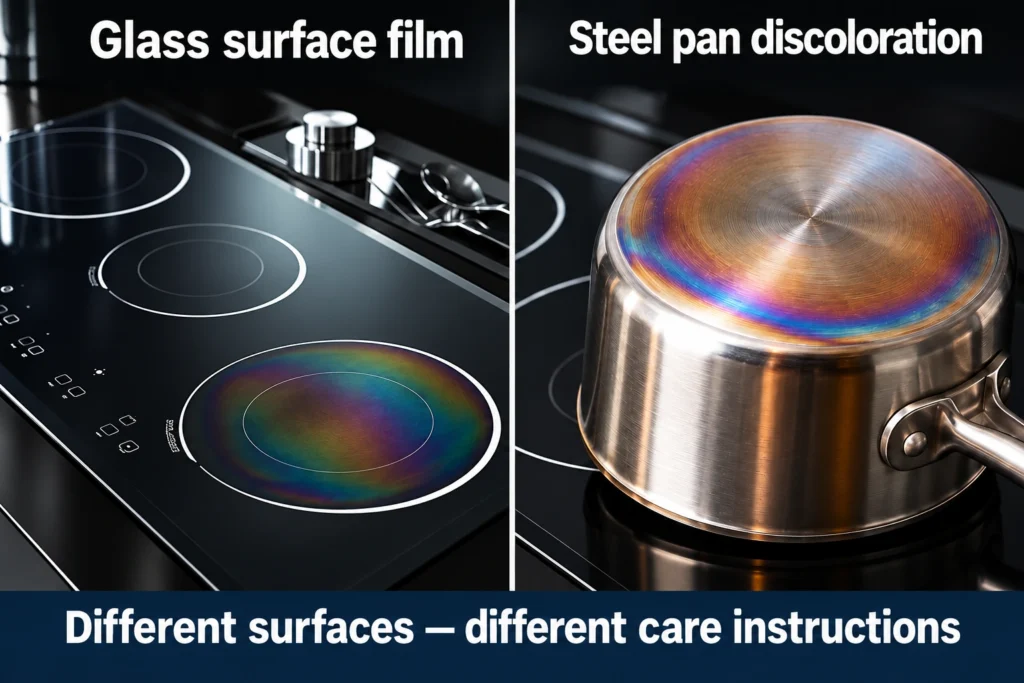
Rainbow marks on a glass cooktop need a material-specific check. Separate films, transferred metal and damage, and follow the model’s approved care process.
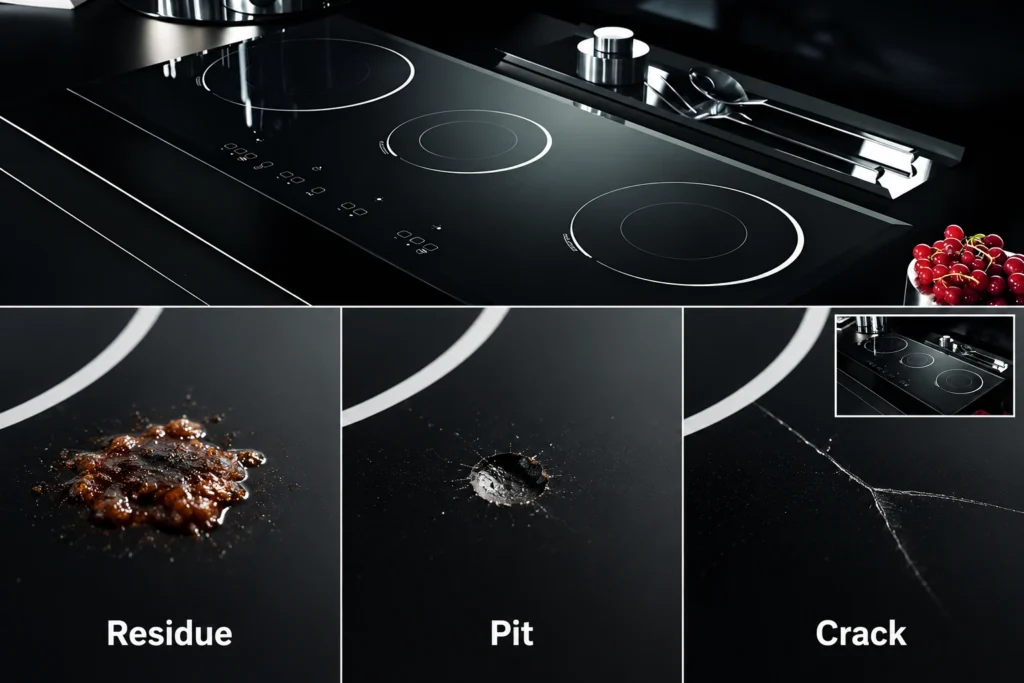
Distinguish glass cooktop residue from actual pitting, understand repair limits, and prepare useful photographs and history for an approved service assessment.
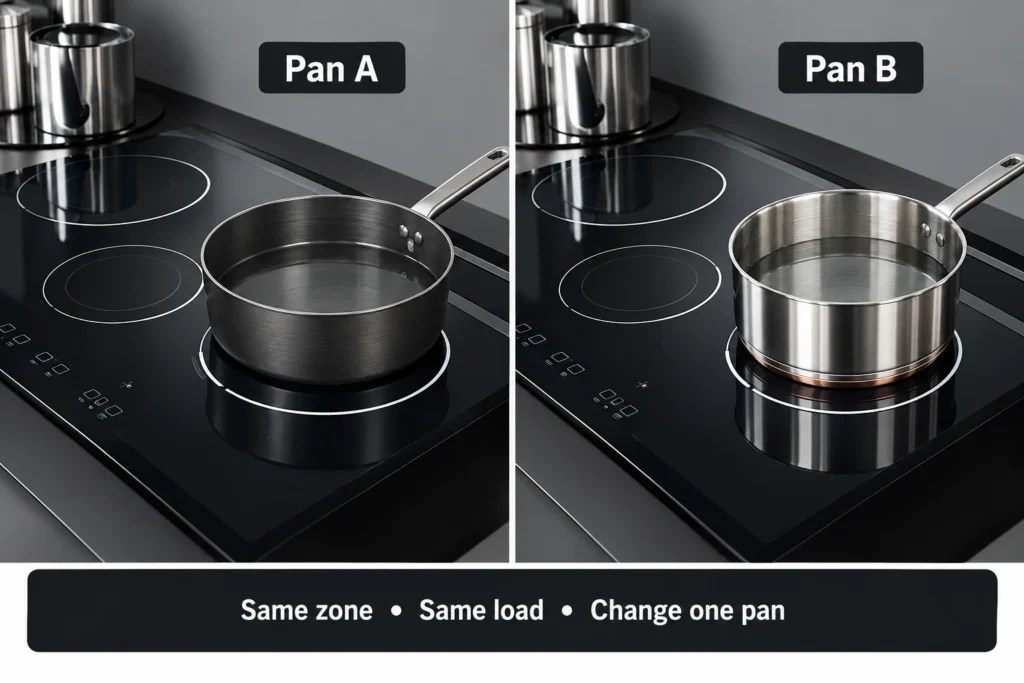
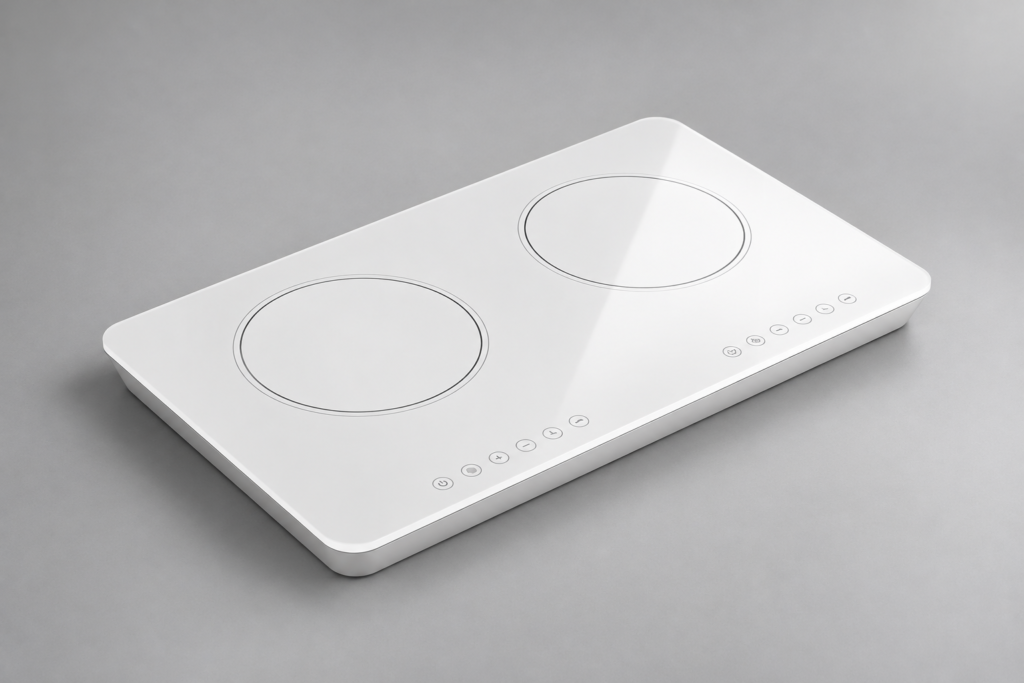
Induction hob buzzing? Compare one pan or accessory at a time, recognize warning signs, and record useful observations before requesting appliance service.
Preserve broken appliance glass for professional fractography. Document orientation, fragments and assembly conditions while separating evidence from assumptions.
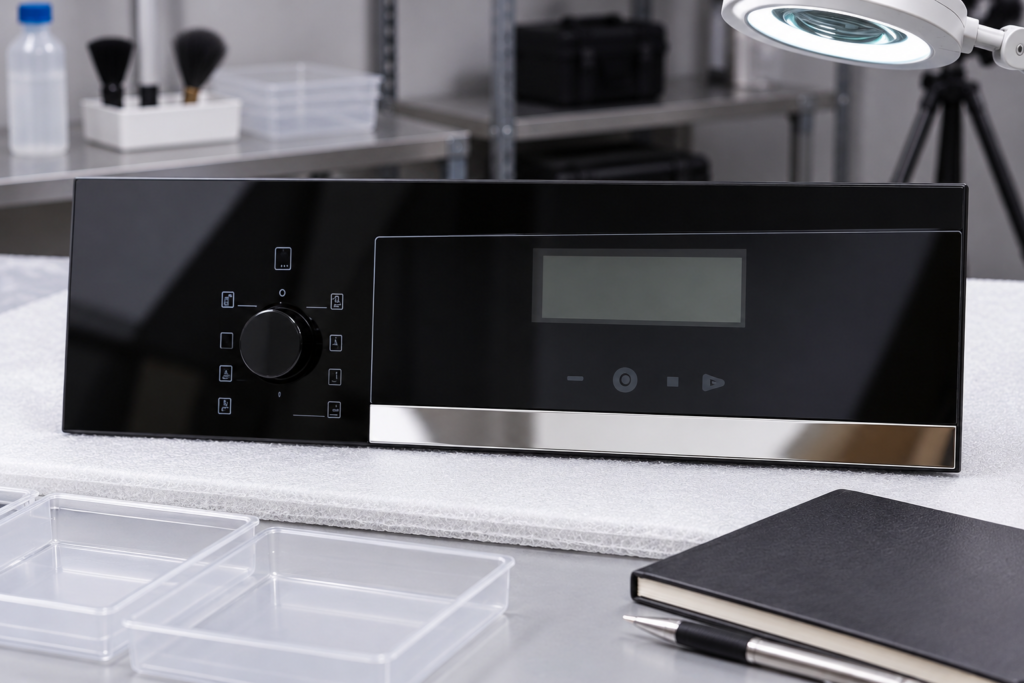
Plan repeatable glass gloss measurements with controlled geometry, backing, surface preparation and reference samples for appliance-panel approval.
Specify meaningful scratch resistance tests for appliance glass. Compare surface damage, coating failure and abrasion with controlled samples and clear reports.
Evaluate glass interleaving powder by checking surface compatibility, storage conditions, removal and downstream printing or bonding requirements.
Specify glass color measurement with the right Delta E formula, lighting, backing and measurement geometry for repeatable appliance-panel approval.
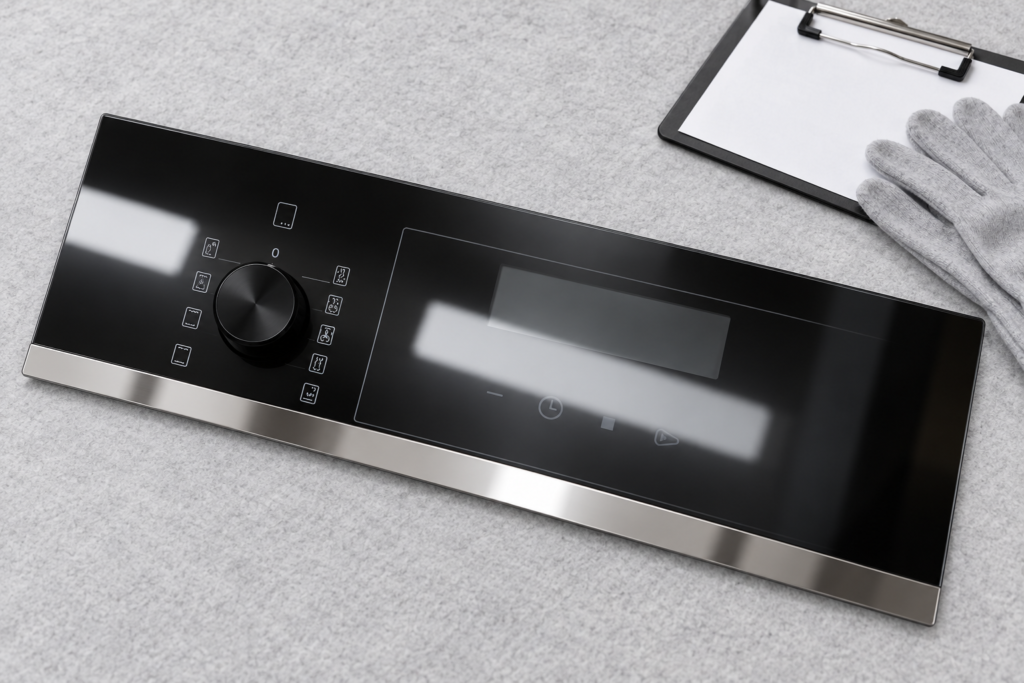
Distinguish stencil defects from missing print coverage and light leakage on appliance glass. Build a traceable inspection and corrective-action plan.