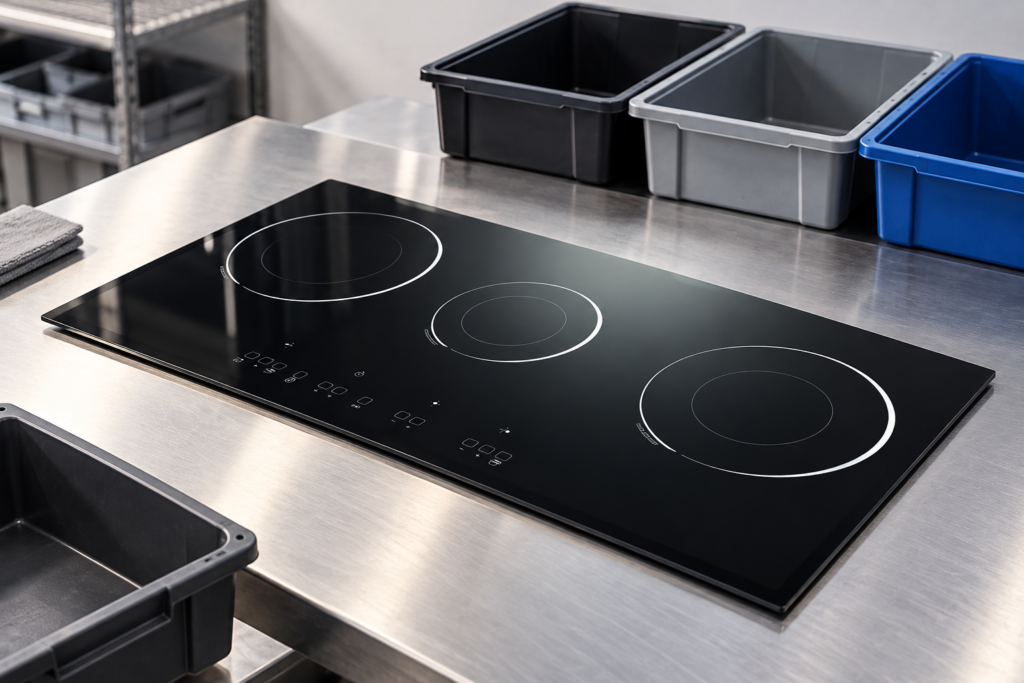
Glass-Ceramic Recycling: Sorting Appliance Panels Correctly
How to identify, separate and document glass-ceramic appliance panels for a suitable recycling route, without confusing them with bottles and jars.
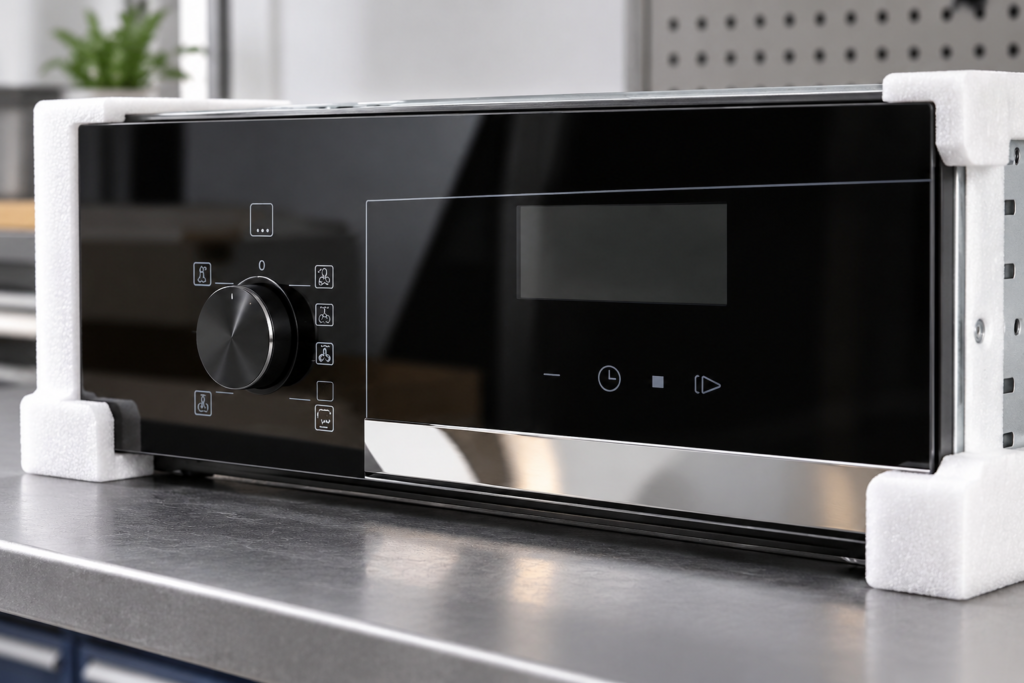
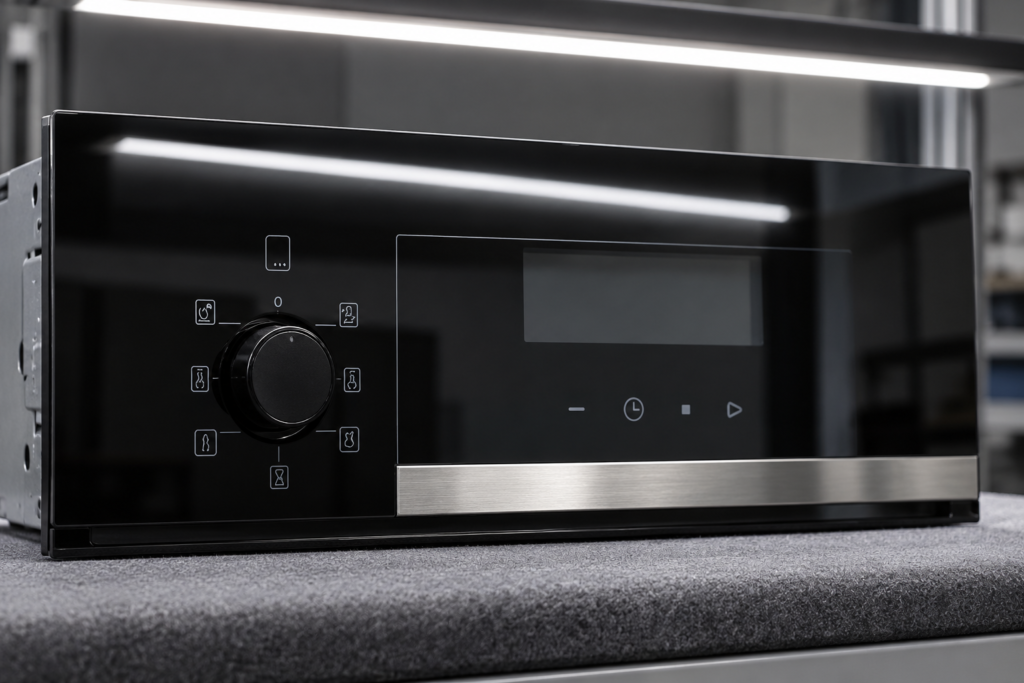
Understand glass edge strength, compare test reports, control handling damage, and connect edge-quality evidence with appliance assembly requirements.
Identify roller wave in appliance glass, distinguish bow and mounting effects, and specify useful measurements, appearance checks and supplier evidence.
Understand spots and bands in tempered appliance glass, separate anisotropy from defects, and document repeatable appearance checks and acceptance criteria.
Choose a circle cutter for glass using material scope, centre location, feature geometry and finished-contour checks before heat treatment.
Review UV adhesives for glass by defining material layers, light access, contact surfaces, curing verification and representative joint trials.
Compare glass UV printers using actual panel geometry, ink compatibility, artwork, curing verification and finished-decoration requirements.
Evaluate glass manufacturing ERP using realistic orders, sheet inventory, drawing changes, quality holds, lot tracing and shipment records.
Select a glass epoxy adhesive by reviewing actual contact surfaces, joint geometry, curing instructions and representative service qualification.
Choose a horizontal glass washing machine by checking part compatibility, brush contact, rinsing, drying, sample acceptance and supplier scope.