A white induction-panel RFQ should define the branding zones and the evidence needed for the proposed component without turning a broad durability phrase into an approval. The drawing, review reference, and supplier response must stay connected to the same project.
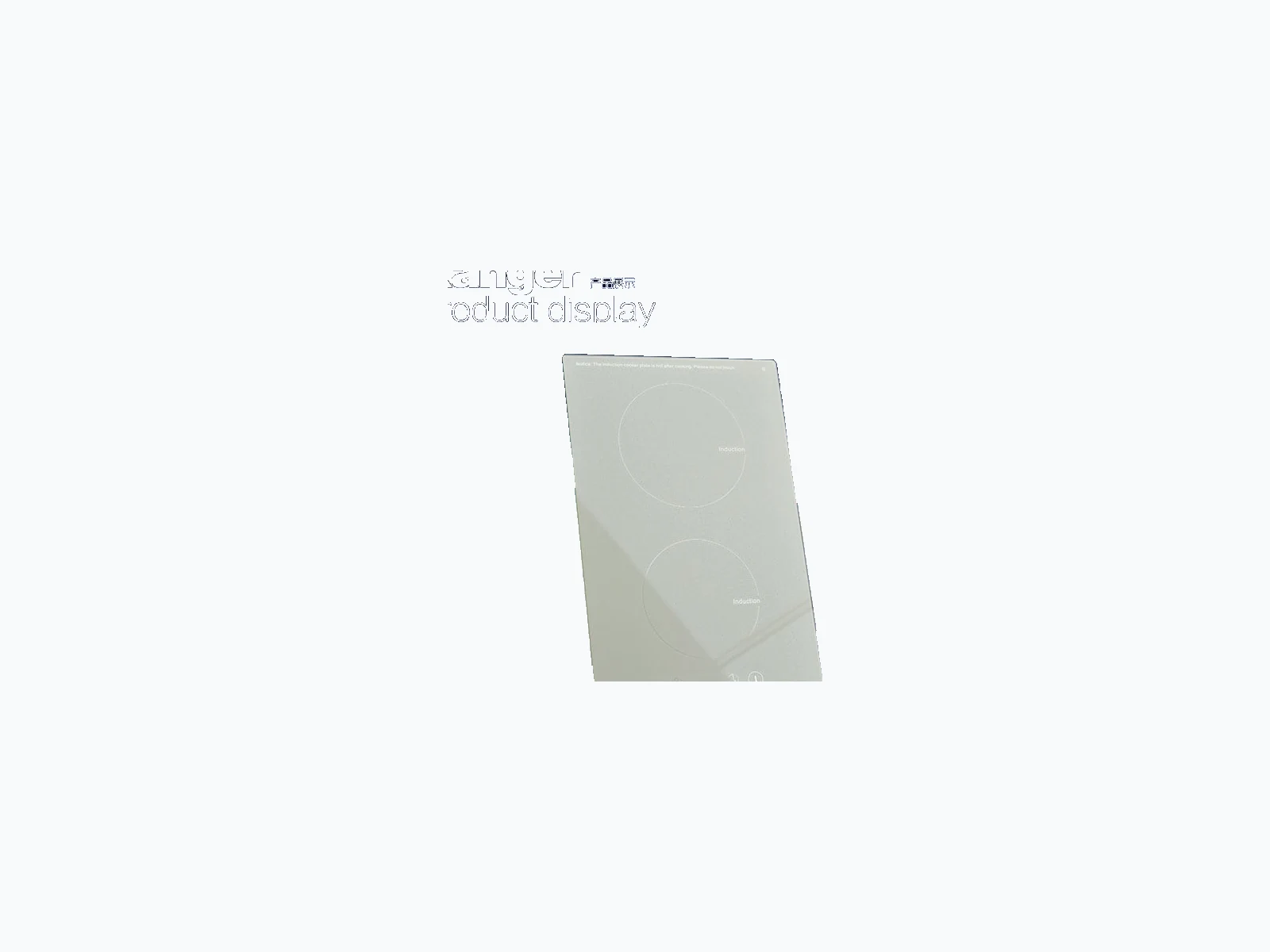
The buyer may need visible branding, control marks, or other defined visual areas on a white panel. Those design inputs do not demonstrate how a proposed panel will perform in an unspecified appliance. Separate the approval reference for the branding zone from the evidence request that must be reviewed for the actual component.
| Decision item | Buyer identifies | Reason |
|---|---|---|
| Panel role | Appliance position and released component | Connects the request to a specific part |
| Branding zone | Marked area and responsible decision owner | Avoids a vague request for a branded white surface |
| Interface context | Controls, cutouts, edges, or supports near the zone | Shows which assembly conditions are relevant |
| Evidence request | Project-specific record sought from the supplier | Keeps an unverified claim outside approval |
Important: A branding example or durability phrase is not evidence that a proposed panel meets a particular project requirement. SCHOTT’s glass-ceramic materials overview is material context within its own scope and cannot prove a Kanger component’s durability or induction-appliance fit.
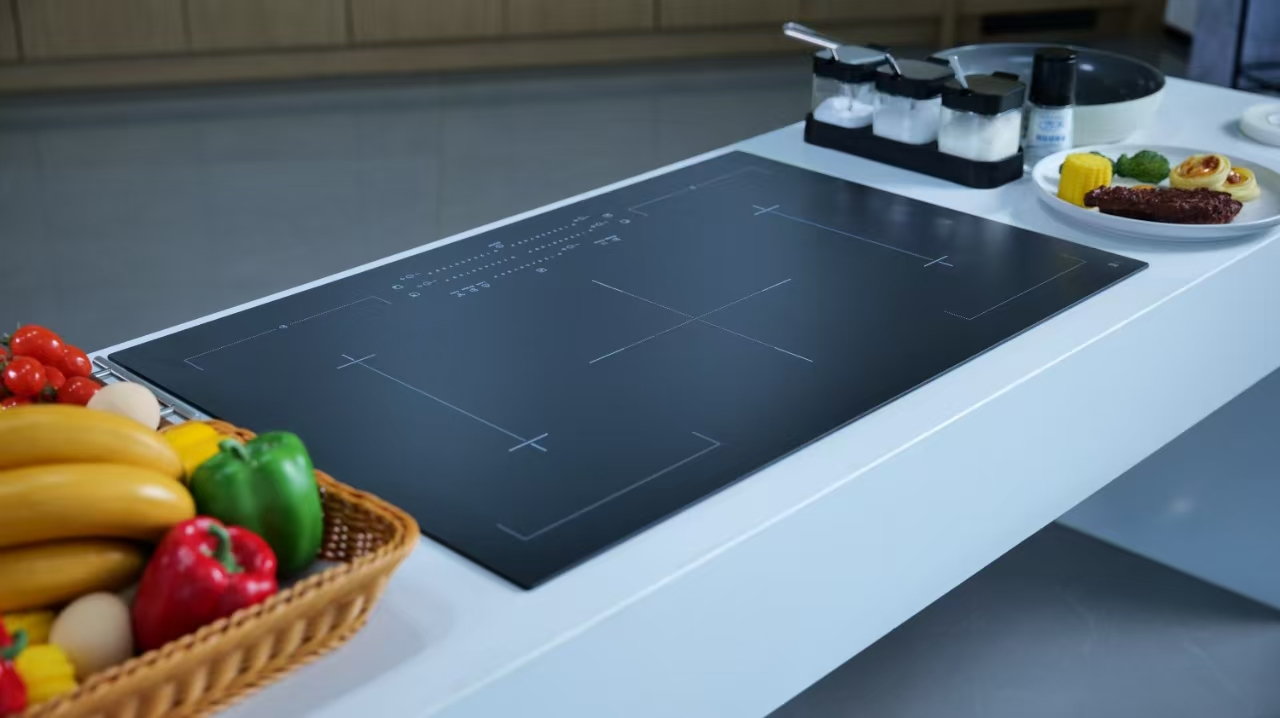
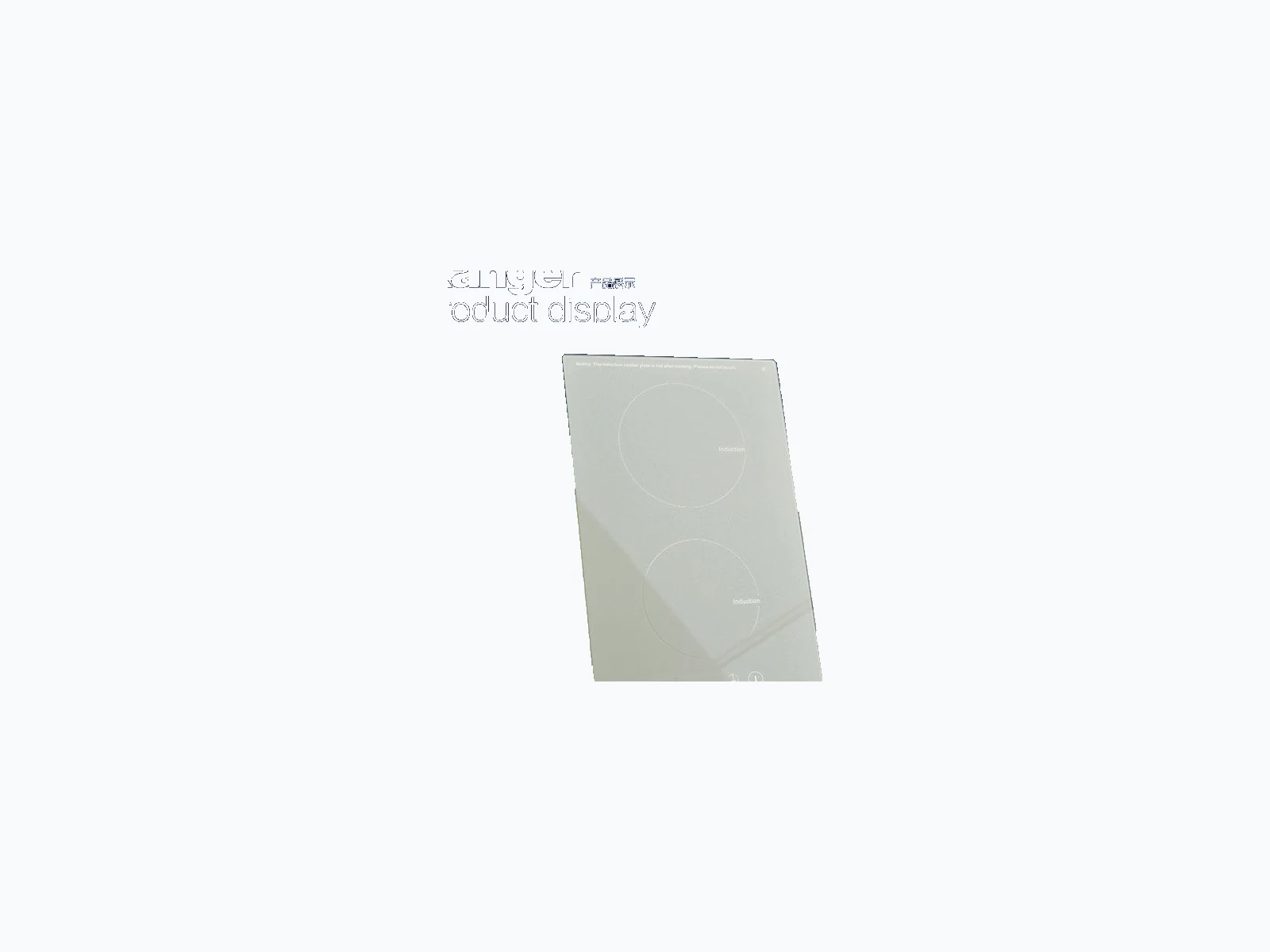
Use the released drawing to locate every visual area that needs a decision. The map can distinguish a logo or marking zone, control-adjacent area, perimeter, and any interface that could affect the review. It should state the project reference rather than reproduce assumptions from a prior program.
| Zone or context | Reference to provide | Do not assume |
|---|---|---|
| Branding area | Marked drawing location and approval owner | A previous logo location applies to this panel |
| Control zone | Relevant layout view | Controls do not affect visual review |
| Perimeter | Edge and border detail | The visual treatment is identical at every edge |
| Interface detail | Support or cutout context | Nominal panel dimensions prove installed fit |
| Review reference | Named sample or record, if defined | A web image is an approval standard |
For adjacent topics, see the guide to white panel colour lots and the cooktop panel color architecture review. Each supports a different decision and does not replace the project-specific evidence request.
The RFQ should name the decision input and invite the supplier to state what can be provided for the proposed panel. It should not insert an unverified durability result into the acceptance language.
| RFQ input | Buyer defines | Include in RFQ | Supplier response |
|---|---|---|---|
| Panel identity | Appliance role and drawing issue | Released drawing set | Confirm the review basis |
| Branding-zone map | Marked visual areas | Controlled drawing reference | State whether each zone is understood |
| Interface information | Relevant cutouts, edges, or control locations | Detail views | List assumptions affecting scope |
| Evidence request | Record needed for the project stage | Requested format and decision owner | Confirm availability or limitation |
| Open claim | Durability statement needing substantiation | Explicit question, not an approval | Identify evidence scope or unresolved condition |
A supplier response should identify the drawing revision reviewed, the scope of the branding interpretation, and any limit on the evidence requested. Do not infer a durability outcome from a colour sample, a marketing description, or a response that is not tied to the proposed part.
| Response point | What it clarifies | Buyer follow-up |
|---|---|---|
| Drawing basis | Which component record was reviewed | Check it is the released issue |
| Branding interpretation | How the proposed scope addresses marked zones | Resolve an alternate reading |
| Evidence scope | What the record actually concerns | Keep it within its stated conditions |
| Unresolved condition | A point that affects proposal review | Assign it to the project owner |
Reference samples can support communication, yet they are not a universal approval. Keep the sample, project drawing, proposed component, and supplier record linked to the same decision. A previous program’s image or a general material page does not establish the new panel’s acceptance.
| Reference | Appropriate use | Boundary |
|---|---|---|
| Released drawing | Defines zones and component context | Needs a supplier response |
| Named project sample | Sets a review reference | Must be approved for this project |
| Supplier evidence | Supports the proposed scope | Requires review before acceptance |
| Product route | Starts an inquiry | Does not guarantee branding or durability |
| Request state | Next action |
|---|---|
| Drawing, zone map, and evidence request are controlled | Submit a project-specific RFQ |
| Only a colour or durability phrase is available | Define the component and decision inputs first |
| Branding or interface details are still changing | Hold comparison until the drawing is controlled |
| A durability, certification, or compatibility claim lacks evidence for the part | Exclude it from approval |
| The inquiry concerns cookware or consumer replacement parts | Use a separate workflow |
When the package is ready, use the white glass-ceramic cooktop panel route to begin a Kanger inquiry. Include the released drawing, branding-zone map, interfaces, evidence request, and unresolved questions.
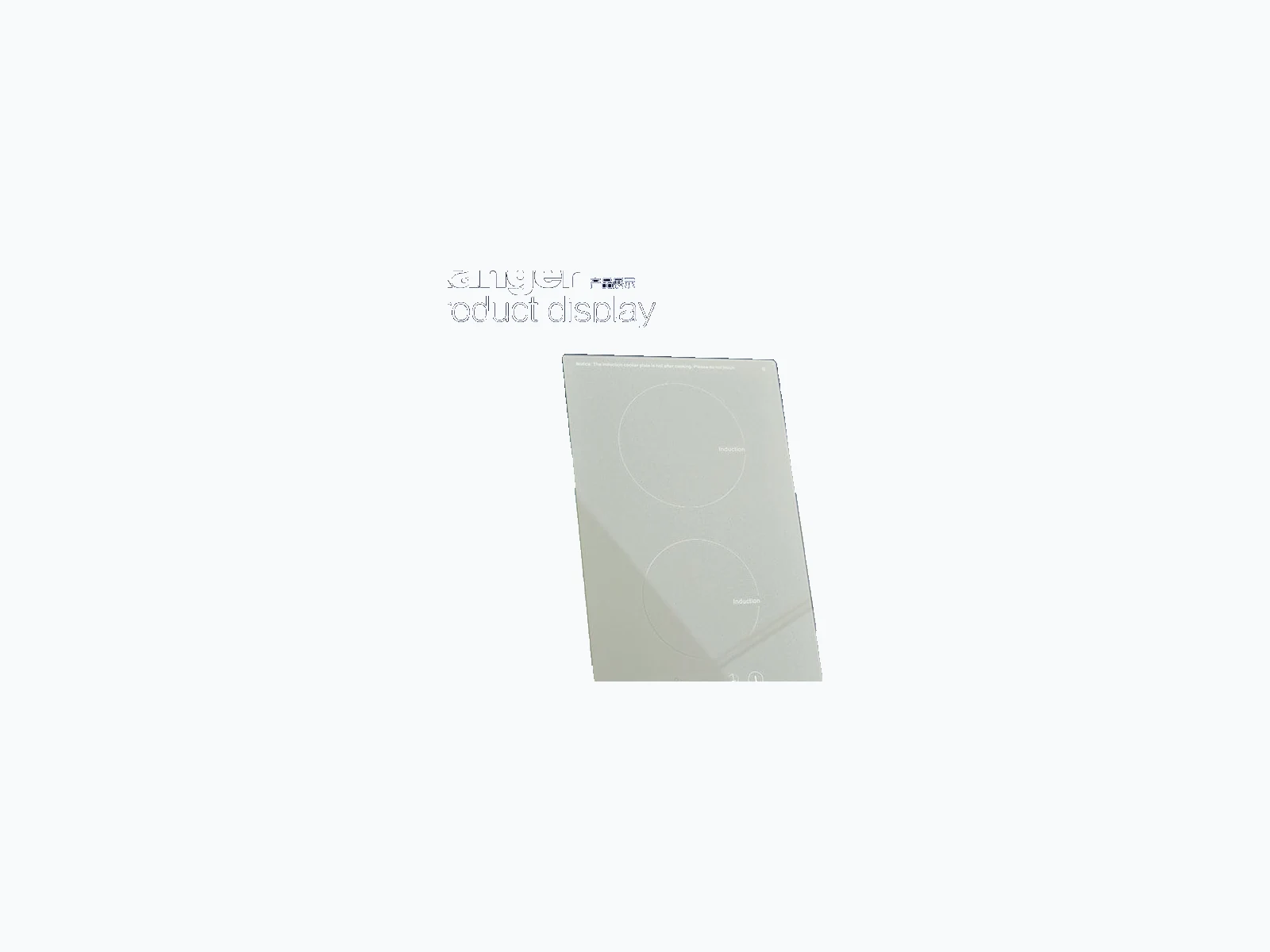
Use this route for a controlled project review, not as a promise of branding, durability, certification, timing, or induction-appliance compatibility. Contact Kanger once the defined RFQ package is ready.
What should a white induction-panel branding RFQ define first?
It should identify the released panel drawing, the branding zones, the relevant interfaces, and the project’s evidence request.
Why should branding and durability be separated?
Branding is a visual design input; it does not prove a performance or durability outcome for the proposed component.
What should accompany the branding-zone map?
Send the current revision, relevant detail views, review reference, and any explicit question about project-specific evidence.
What should the supplier record?
The supplier should record the drawing basis, its zone interpretation, the scope of available evidence, and open conditions.
Can a previous sample approve a new white panel?
No. A prior sample can inform discussion, but the new project needs its own controlled reference and review.
When should Kanger receive the inquiry?
Send it after the component drawing, branding-zone map, interfaces, and evidence request are defined.