Kanger Glass-ceramic Co., Ltd.
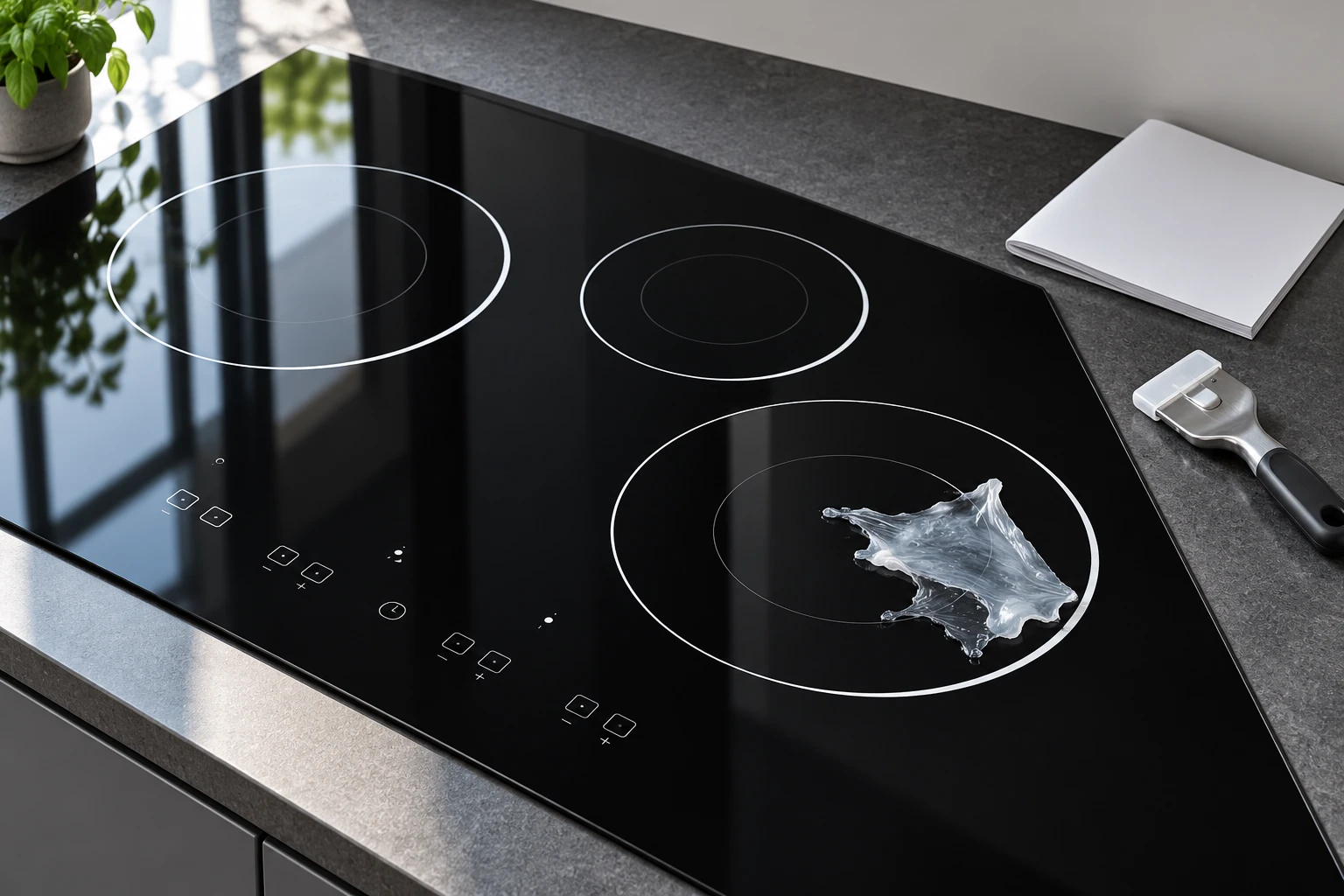
Melted plastic on a glass stove top needs the appliance manufacturer’s spill-removal instructions, rather than a universal cleaning trick. Switch off the affected cooking zones, keep people away from the hot surface, and find the guidance for your exact model. Some glass-ceramic manuals specify prompt removal with particular protection and tools because melted plastic can damage the surface as it cools. That does not make reheating unknown plastic or burning it off an acceptable general method. If the spill has already hardened, or you cannot follow the specified procedure safely, leave the affected zone unused and ask the manufacturer for advice.
First establish what surface you are dealing with
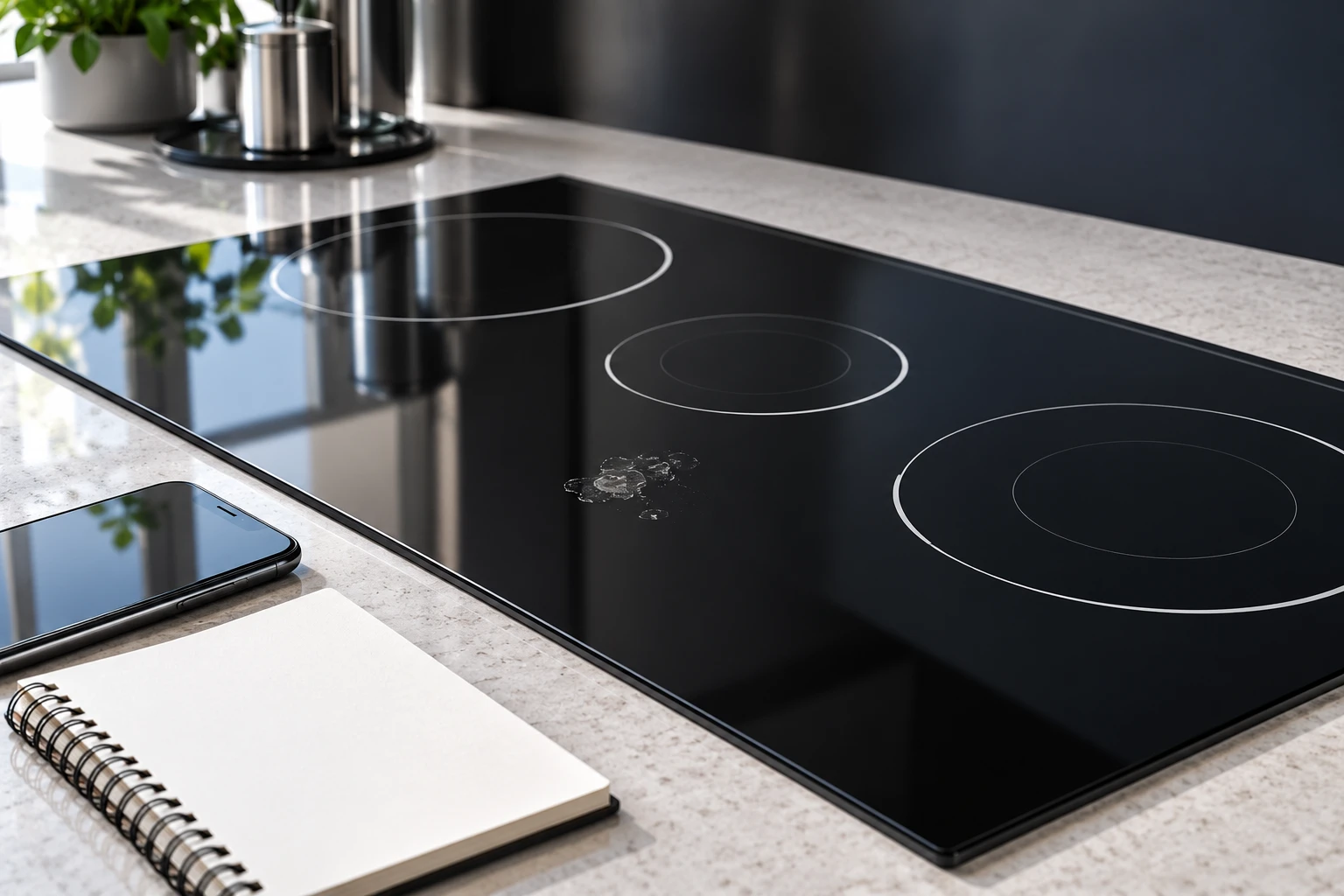
A smooth black hob can use induction or radiant heating beneath a glass-ceramic panel. Its appearance does not identify the correct cleaning method. Instructions for an exposed electric coil, an oven element, or the enamel floor inside an oven address different components. Search results frequently mix these surfaces together, which makes a seemingly precise tip unreliable when applied to the wrong appliance.
Read the model label without lifting or dismantling the hob. Locate the owner’s manual and its glass-surface care section. Look for separate instructions covering melted plastic, sugar, or aluminum foil; these may differ from the routine procedure for food residue. Keep the model and manual revision with your notes. A method approved for one installation should not automatically be transferred to another brand, surface finish, or replacement panel.
Kanger supplies black glass-ceramic cooktop panels. The installed appliance’s complete design determines the user instructions and service route. A panel photograph or material name cannot establish whether a damaged appliance may return to use.
Why the timing of removal matters
Plastic is a broad description covering different packaging films, utensils, containers, and additives. You generally cannot identify their behavior or suitable treatment from appearance. Avoid assigning a melting temperature, cleaner compatibility, or exposure limit to an unknown spill. Record what touched the hob, when you noticed it, and whether the zone was operating.
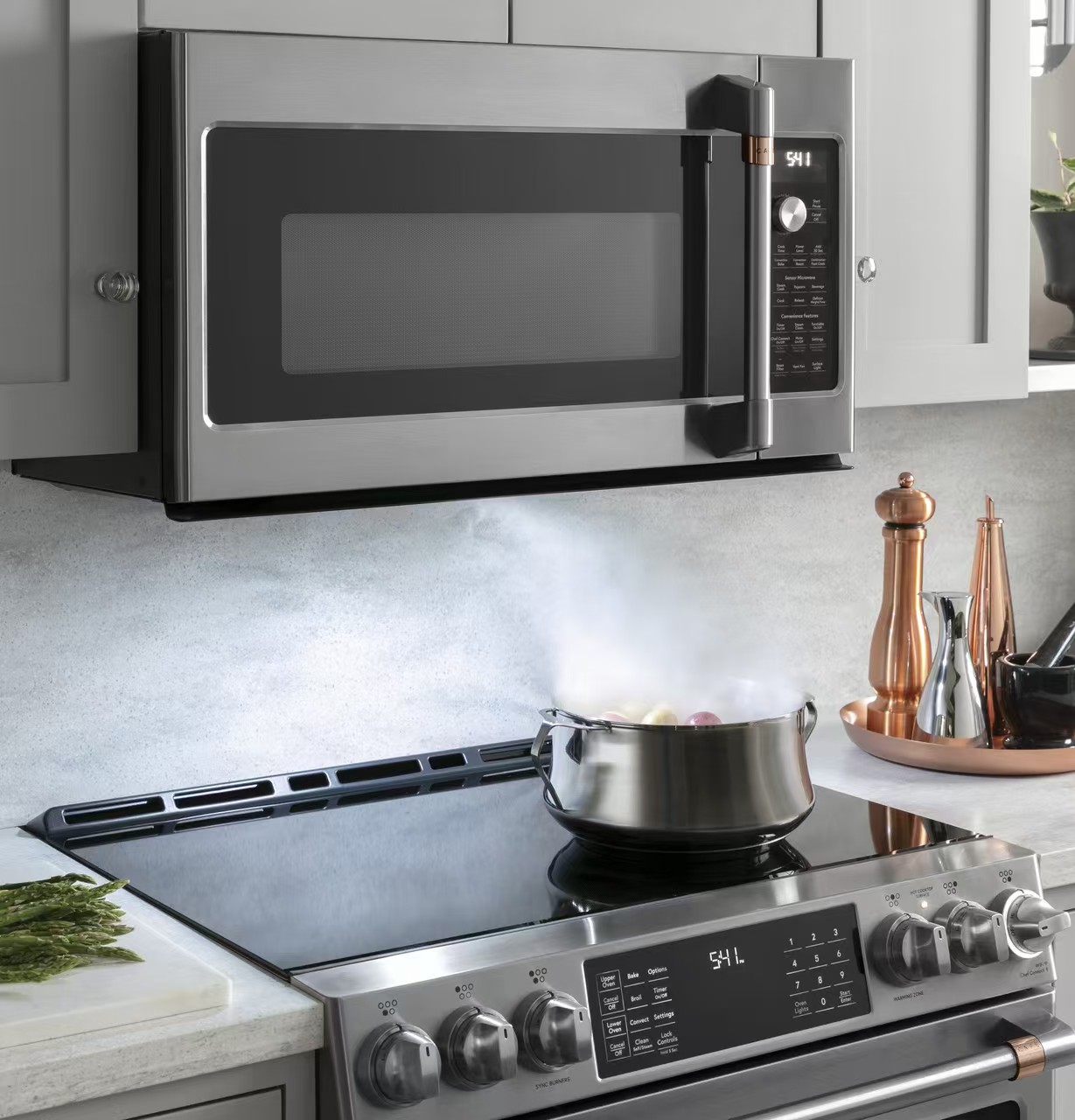
The GE range manual’s glass-cooktop special-care section identifies melted plastics and sugary spills as potential causes of pitting and gives a particular hot-spill procedure. It describes switching off affected zones, removing hot pans, using an oven mitt and the specified scraper, and moving the spill to a cooler area. Those details belong to the models covered by that manual; the document is evidence for the distinction, not authorization to improvise on every hob.
Whirlpool’s ceramic-glass maintenance guidance also warns against allowing plastic or aluminum foil to touch the cooktop. Prevention and model-specific instructions matter because removing the visible deposit does not necessarily reverse damage underneath it.
A decision table before attempting cleaning
The following table organizes observations; it is not a substitute for the appliance instructions. No row authorizes touching hot material, energizing a damaged zone, or opening the appliance.
| Observation | What to check | Appropriate next step |
|---|---|---|
| Spill is recent and the surface remains hot | Exact manual section for melted plastic and required protection | Follow that procedure only if it can be carried out safely; otherwise keep clear and request advice |
| Plastic has already cooled and hardened | Manufacturer’s instructions for an established deposit | Do not invent a reheating procedure; leave the zone unused pending guidance |
| Deposit was removed but a depression remains | Surface-loss assessment and service instructions | Document the area and obtain a service decision rather than adding filler |
| A crack, chip, or liquid entry is visible | Damaged-glass safety instructions | Stop using the appliance and arrange qualified assessment |
| Only a colored or cloudy mark remains | Approved cleaning method and response of the mark | Record what changes; do not assume a stain is harmless or that it proves structural damage |
Avoid shortcuts that create a second problem
Do not turn the zone to maximum to burn the residue away. Besides exposing people to hot material and smoke, this transfers advice from a different component to a glass surface. A search result discussing exposed coils may be genuine and still be unsuitable here. Equally, do not assume a heat gun or hairdryer gives controlled, manufacturer-approved conditions.
Do not pour cold water onto hot glass or place ice on the deposit as a generic removal technique. Rapid localized cooling is not a cleaning qualification. Keep blades, scouring products, solvents, and chemical mixtures out of the process unless the appliance instructions specifically permit the proposed tool or product for that surface and situation.
A scraper is not interchangeable with a kitchen knife, chisel, or loose razor blade. Where the manual permits a scraper, its condition, holder, angle, and protective measures are part of the procedure. A damaged edge can introduce scratches, while an improvised grip creates a cutting hazard. If you lack the correct equipment, pause instead of treating more force as a substitute.
Routine cleaning demonstrations often show cool surfaces with familiar food stains. A successful demonstration does not establish suitability for a bonded plastic spill. Keep the original material and exposure history in your decision, and stop when the approved method ceases to make progress.
Inspect the result without trying to prove it by touch
Once the appliance is in the safe condition specified by its instructions, use good ambient light and view the area from more than one angle. Raised residue, a reflection, a colored film, a scratch, and missing glass can look similar in one photograph. Photograph an overview and a close view before further cleaning. Include the zone location in the record.
Avoid running a finger over a suspected sharp edge or scraping a depression to see whether it is real. Do not operate the hob to see whether the mark changes under heat. Cleaning response and photographs are useful evidence, but they do not measure defect depth, remaining strength, electrical safety, or the condition of components beneath the panel.
For the distinction between a removable deposit and actual missing surface material, see our glass stove top pitting guide. If the remaining issue is an iridescent film, the rainbow-stain assessment explains why appearance alone should not determine the cause.
What to send to the appliance service team
Provide the model, serial reference where requested, the manual section you followed, the object that melted, and the time between contact and discovery. State whether a cooking zone was on, whether there was smoke, whether the deposit cooled before removal, and whether any liquid reached a damaged area. Separate things you observed from guesses about temperature or chemistry.
List each cleaner and tool already used, including their product names and whether the surface was hot or cool. Attach photographs taken before and after treatment. If a mark changed, describe the change rather than writing only “cleaning failed.” This helps the service team distinguish remaining contamination from an inspection or replacement question.
Ask what must happen before using the appliance again, whether an approved further cleaning step exists, and whether a technician needs to inspect it. Do not interpret silence about one symptom as permission to continue cooking. The component supplier, cleaner seller, and appliance manufacturer have different information; the installed appliance needs its own service decision.
Prevent a repeat without adding unapproved accessories
Treat the hob as a cooking surface, including after the controls are switched off. Put bread bags, food trays, utensils, grocery packaging, and appliance cords on a separate preparation area. A dark zone can still be hot. Indicators provide information according to the model’s design; their absence does not invite a hand test.
Do not place an unspecified mat, cover, board, or protective sheet between cookware and the glass. Material that looks heat resistant may be unsuitable for the particular appliance or may obstruct controls. Use only accessories the appliance manufacturer permits, following the stated placement and operating restrictions. Keep packaging away while transferring food to pans.
In shared kitchens, a short handover is useful: identify any recently used zone and keep the area clear during cooling. Make the manual easy to find. Prevention should depend on a repeatable routine rather than expecting everyone to remember which ring was used earlier.
What OEM buyers should put in a care-information review
Panel procurement should connect material selection to the finished appliance’s care documentation. Specify the actual glass-ceramic grade, printing and coating configuration, assembly, intended cooking duty, and the appliance manufacturer’s cleaning validation responsibilities. Generic chemical-resistance wording does not qualify an entire cleaning procedure or prove immunity to bonded contaminants.
Agree how field complaints will distinguish a stain, residue, scratch, pit, crack, and unknown mark. Define the photographs and history needed before returning a panel. Preserve representative unused material and relevant production records where the quality plan requires them. Do not claim that every plastic spill is harmless or that a single incident proves a manufacturing defect.
For a wider product discussion, start with the black glass-ceramic cooktop resource hub. Ask for project-specific evidence and approved care wording rather than converting an illustrative image into a product-performance promise.
Further learning: careful observation of glass
The following museum demonstration provides background on observing and cleaning glass objects. It does not address molten packaging on an installed cooking appliance, and its washing methods must not be transferred to a hot or electrically connected hob. The model’s spill instructions remain the relevant procedure.
Video: Conservation Live Stream: How to Wash Glass, Corning Museum of Glass. Open the educational video on YouTube.
Frequently asked questions
Should I reheat hardened plastic to remove it?
Do not invent a reheating method. Ask the appliance manufacturer for the procedure covering an already hardened deposit on your exact model, and keep the affected zone unused meanwhile.
Can a cooktop scraper remove any plastic spill?
No universal result is established. Use a scraper only where the appliance instructions permit it and follow the specified equipment, surface condition, and protective measures. Stop if the procedure cannot be followed safely.
Does a clean-looking surface prove the hob is safe?
No. Appearance cannot establish remaining strength, electrical safety, or the condition beneath the panel. Cracks, suspected surface loss, and uncertain damage require the appliance manufacturer’s service assessment.
Can missing glass be repaired with resin?
Do not apply an improvised filler to a cooking surface. Obtain the approved inspection or replacement route for the installed appliance rather than treating a cosmetic repair kit as a qualified solution.