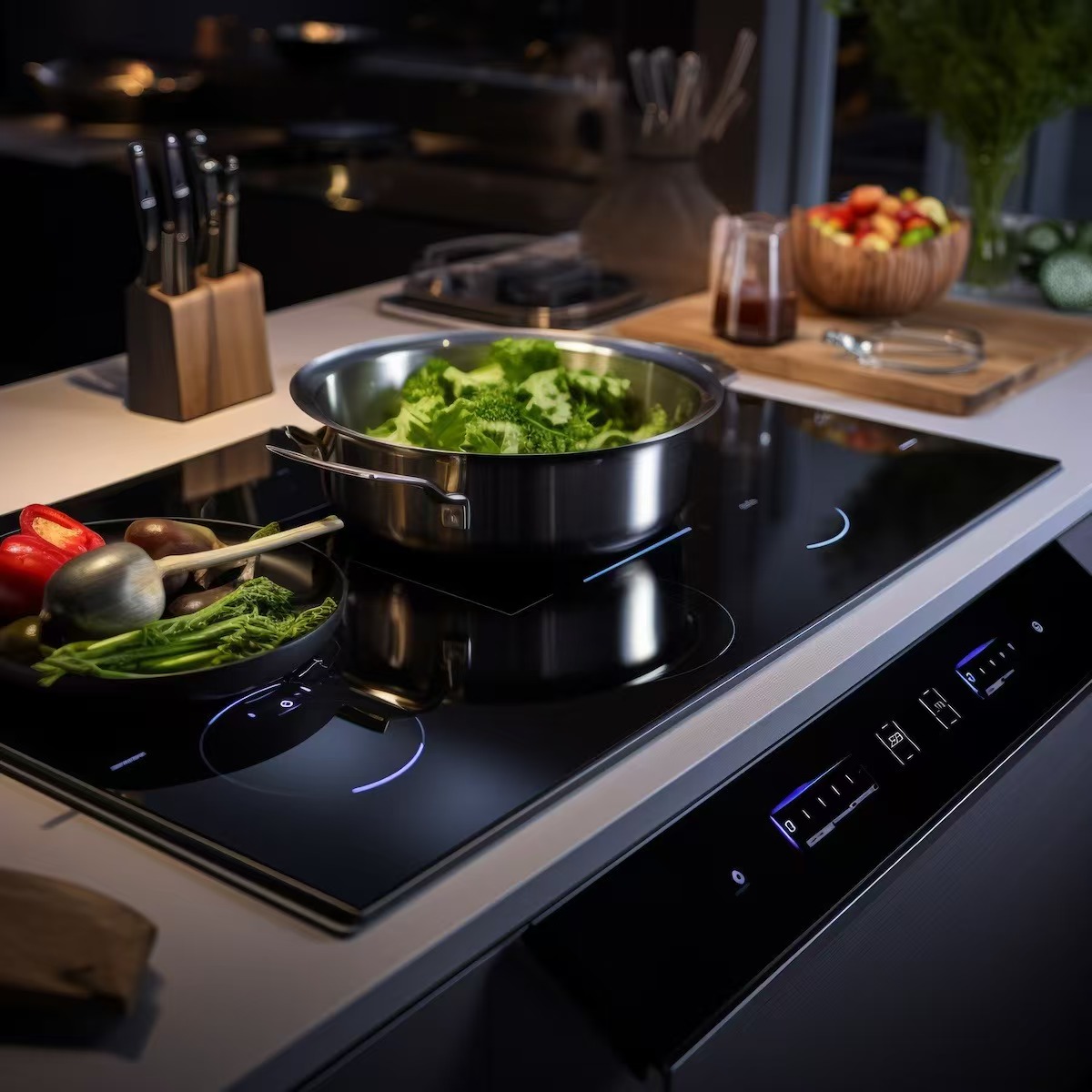
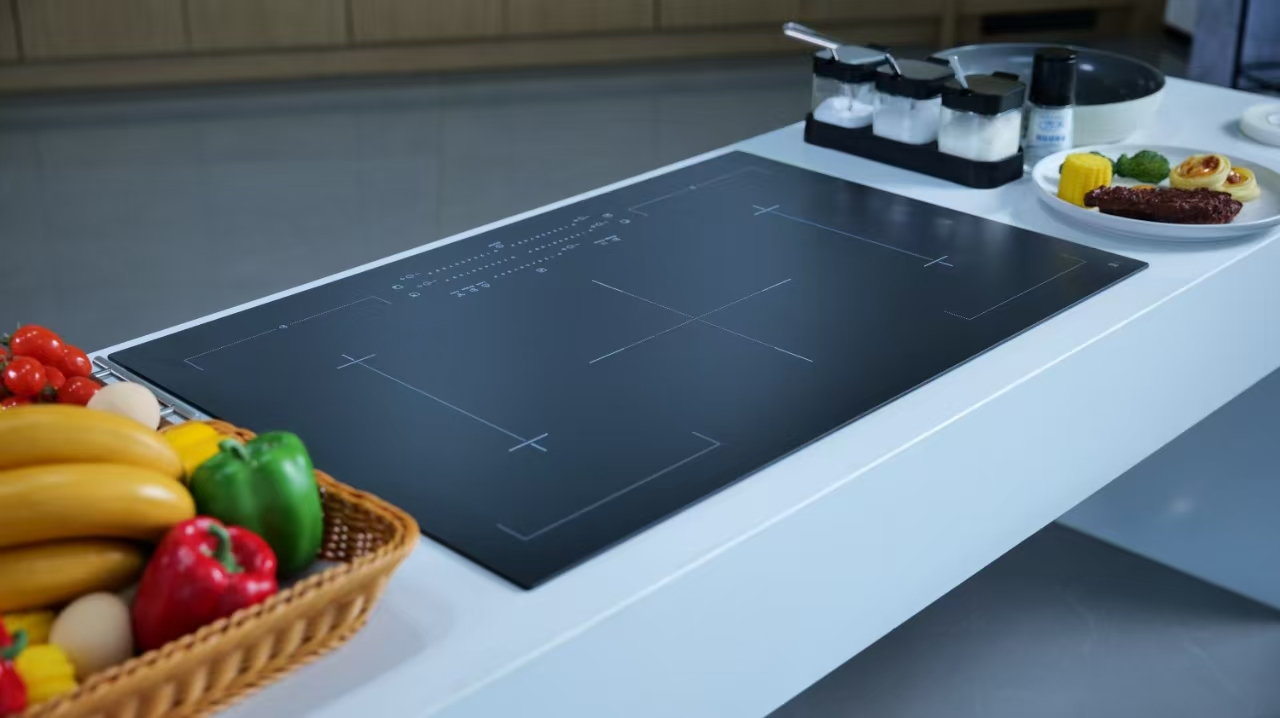
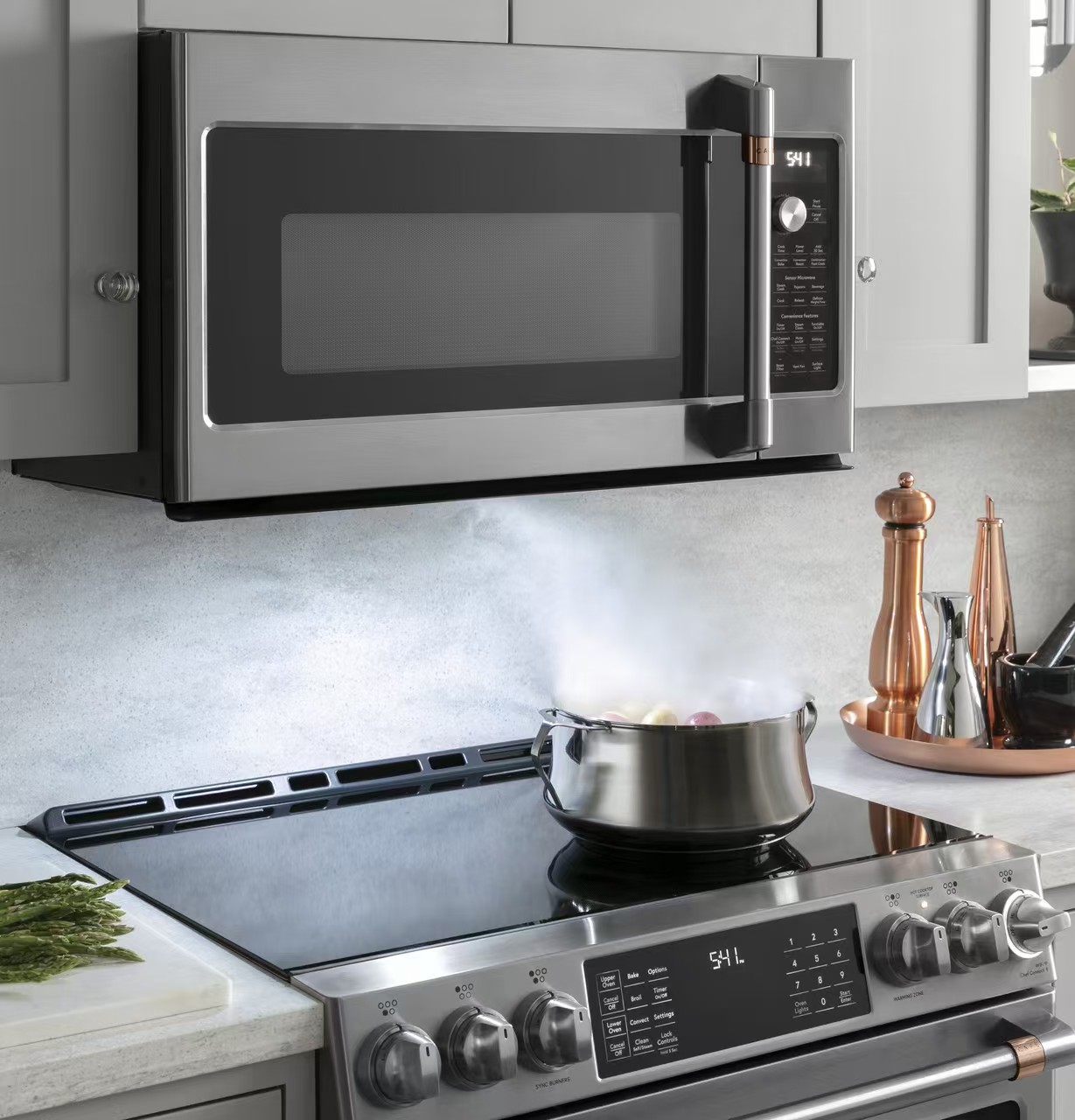
An induction cookware sous vide circulator clamp is a vessel-fit question, not permission to run the circulator on the hob. A pot you already use for induction may also serve as a water-bath container if the circulator and pot instructions permit it. Set up the bath on a separate suitable surface away from the stove, check the clamp and water-level requirements, and follow the identified device's manual. Anova's published safety guidance explicitly says not to place its unit on or near a stove.
The magnetic base that matters for induction does not by itself establish suitability for a clamp, a sustained water bath or a countertop. This guide helps check the container and workspace before use. It does not give food cooking times, temperatures, storage procedures or a universal clamp-tightening setting. Those questions require the relevant equipment instructions and appropriate food-safety guidance.
When a pot is used on an induction hob, the appliance and base interact to heat its contents. When a permitted pot becomes a circulator bath, the immersion device supplies and controls heat in the water. These are different arrangements. Do not assume that using both heat sources together improves the process or that the hob can serve as the circulator's work surface.
Move the empty, cool pot to the selected bath location before setting up the circulator. Choose the location using the device and countertop requirements. Keep the cooking area separate so that another person cannot mistake the bath for a vessel waiting to go onto a burner. A switched-off zone still does not override a device instruction to stay away from the stove.
This is especially useful when the same kitchen has several similar pots. Identify the container you intend to use and keep its documentation available. Do not automatically substitute a larger pot midway through setup without repeating the clamp, depth, load and location checks. A familiar handle or brand name does not establish those details.
Identify the circulator model and the clamp supplied with it. Different versions may have different adjustment arrangements. Find the current instructions for mounting the clamp to the device and securing it to the vessel. A photo of another model is useful for recognizing the category, but it cannot establish the correct assembly sequence for yours.
The Anova quick-start guide describes attaching the clamp at the container edge and cautions against overtightening. Its guidance is not a numerical torque specification. Do not turn that caution into an invented number of turns or a guessed tightening force. If the clamp cannot hold the device in the instructed position using the intended adjustment, stop and resolve the fit.
Inspect the cold clamp and the intended rim contact area before filling. Look for missing parts or obvious damage and confirm that the assembly is complete. Do not add a homemade spacer, wedge or replacement screw to make an uncertain fit work. Ask the device manufacturer for a supported container or approved part instead.
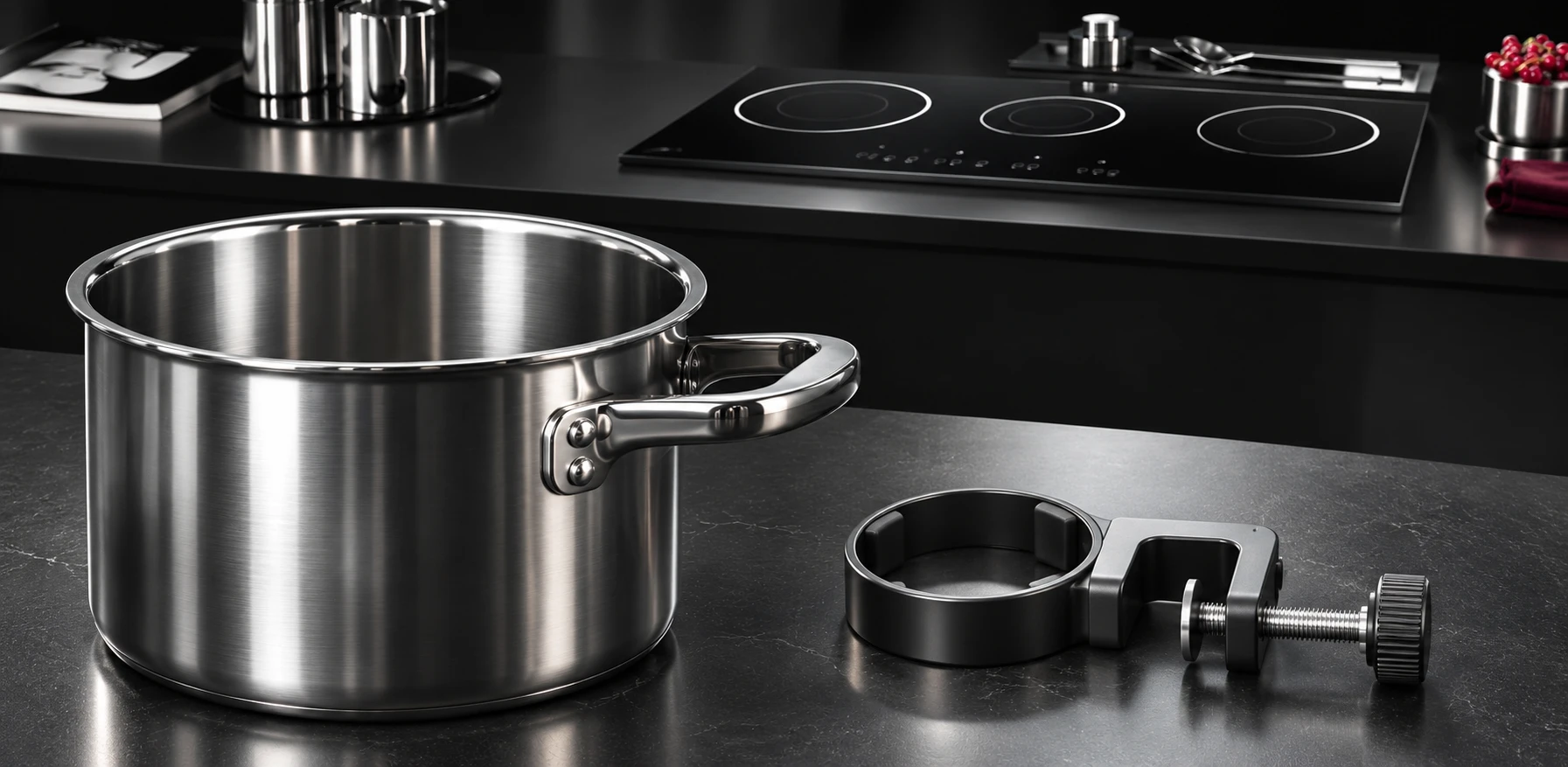
A pot can be large enough in volume yet unsuitable at the point where a clamp needs to sit. Consider the rim shape, rolled edge, nearby handle and the position of the circulator body. Use the manufacturer's stated fit requirements rather than the pot's nominal capacity as the only deciding factor. The device should remain in the instructed orientation without forced contact.
Check depth using the device's immersion marks and setup instructions. The working water range must remain achievable with the planned load in place. A clamp that grips the rim cannot compensate for a vessel too shallow for the permitted water level. Equally, choosing a deeper pot should not put the controls, cable or adjustment points in an unsuitable position.
Leave the water circulation path as required by the device instructions. Do not pack bags around the device simply because the vessel still has space above them. The Weston setup manual identifies room for water circulation and checking water level after food is added. These are useful examples of why container selection is more than a capacity comparison; the exact permissions remain device-specific.
Check both the surface and any protective support against the expected bath use and the relevant care instructions. A countertop that tolerates a briefly placed cup is not automatically documented for the sustained heat of a water bath. Anova's quick-start material calls for a heat-safe surface or trivet and a position away from counter edges.
Do not use the glass cooking panel as an overflow shelf for bath equipment. Keep the pot and electrical device at the permitted separate location. Plan the power connection without stretching a cable across the hob, a sink or the route used to lift other cookware. Follow the actual device's electrical instructions, including restrictions on cords or extension leads.
Before adding water, check that you can reach the controls without leaning over the bath or pulling on the cable. Keep the location clear of unstable stacks and unrelated utensils. If the only available spot requires an improvised support or a cable through a busy cooking area, select another suitable location rather than accepting the arrangement as temporary.
| Check | Evidence or cold observation | If the check fails |
|---|---|---|
| Location | Separate suitable surface away from stove | Choose another permitted workspace |
| Clamp | Correct parts and documented attachment | Do not add an improvised spacer |
| Rim and depth | Fits device and immersion requirements | Select a supported vessel |
| Load and water | Required range remains possible with contents | Follow device filling instructions |
| Power route | Connection and cable follow the manual | Rearrange before filling |
| Cleaning | Separate pot and electrical-device permissions | Do not transfer dishwasher approval |
This qualitative checklist summarizes the manufacturer instructions cited below; it does not introduce new operating limits.
Use the minimum and maximum markings on the identified device. Do not substitute a line printed inside the pot, which may describe a different task. Plan for displacement when sealed food is added and follow the manual's sequence for filling and loading. A water level that is acceptable before loading may change once the contents enter the bath.
Keep the electrical housing and other non-immersible parts outside the water as directed. Do not cover or obscure the markings with improvised wraps. If the device reports a water-level fault, consult its troubleshooting procedure rather than moving a sensor or holding the device in place by hand. The clamp and the operating limits need to work together without manual support.
For a lid or cover, use only an arrangement permitted by the equipment instructions. A normal pan lid may not fit with a circulator attached. Do not force it against the device or treat an open gap as a reason to bend the clamp. Obtain guidance for a suitable cover if one is needed for the planned use.
Prepare where food pouches and utensils will go before starting the equipment. Keep that landing area separate from the electrical connection. Have the handling tools specified for the task available, and avoid reaching into the bath to retrieve items. This article covers the equipment arrangement; it does not establish safe food processing or storage conditions.
Follow the manufacturer's shutdown, unplugging and cooling directions before dismantling or emptying the bath. A large pot of water creates a different handling problem from an empty pan. Do not make the hot, filled bath the first time you discover that its handles are difficult to grip or that the route to the sink is obstructed.
After the equipment is cool and safe to handle, clean the pot and device by their separate instructions. A cookware dishwasher symbol does not apply to a circulator attached to it. Keep the electrical unit out of the pot's cleaning routine. The guide to cookware drying-rack preparation can help organize a separate drying area, while dry oven glove grip preparation addresses preparation for handling hot cookware in its own context.
Provide the circulator model, clamp version, pot model and photographs of the rim and handles. Include the dimensions requested by the device manufacturer and explain where the bath will stand. Ask whether that exact combination is supported, rather than asking whether any induction pot can be used for sous vide. A clear question allows a useful answer without guessing from capacity.
If a coating or unusual rim is involved, ask about permitted clamp contact and care. Do not assume that a nonmarking appearance means a clamp cannot damage a finish. Keep the written advice with the product record. If a different pot or replacement clamp is later introduced, repeat the check instead of applying the old answer to a new combination.
The wider cookware discussion is covered in stainless-steel cookware base guidance. For ordinary hob cooking, induction hob pan size addresses a separate question about base and zone size. Neither guide should be used to override the circulator manual's location or container instructions.
Kanger's black glass-ceramic cooktop panels are components for appliance projects. The connection here is the distinction between a cooking surface and a separate appliance work area. A glass panel's component specification does not approve a countertop circulator bath, clamp load or electrical arrangement. Keep those decisions within the complete appliance, device and workspace requirements.
For a glass-panel inquiry, provide the applicable drawing and component requirements to the supplier. For a circulator fit inquiry, provide the device and pot identification to the equipment manufacturer. Keeping those questions precise prevents a statement about glass material from being turned into unsupported approval for another appliance or an accessory.
The video explains induction and cookware interaction as background to the pot's original hob use. It is not a circulator setup demonstration and does not show that a sous vide bath belongs on a stove. Follow the separate-location instructions above and the exact device manual. The embedded player has no automatic playback.
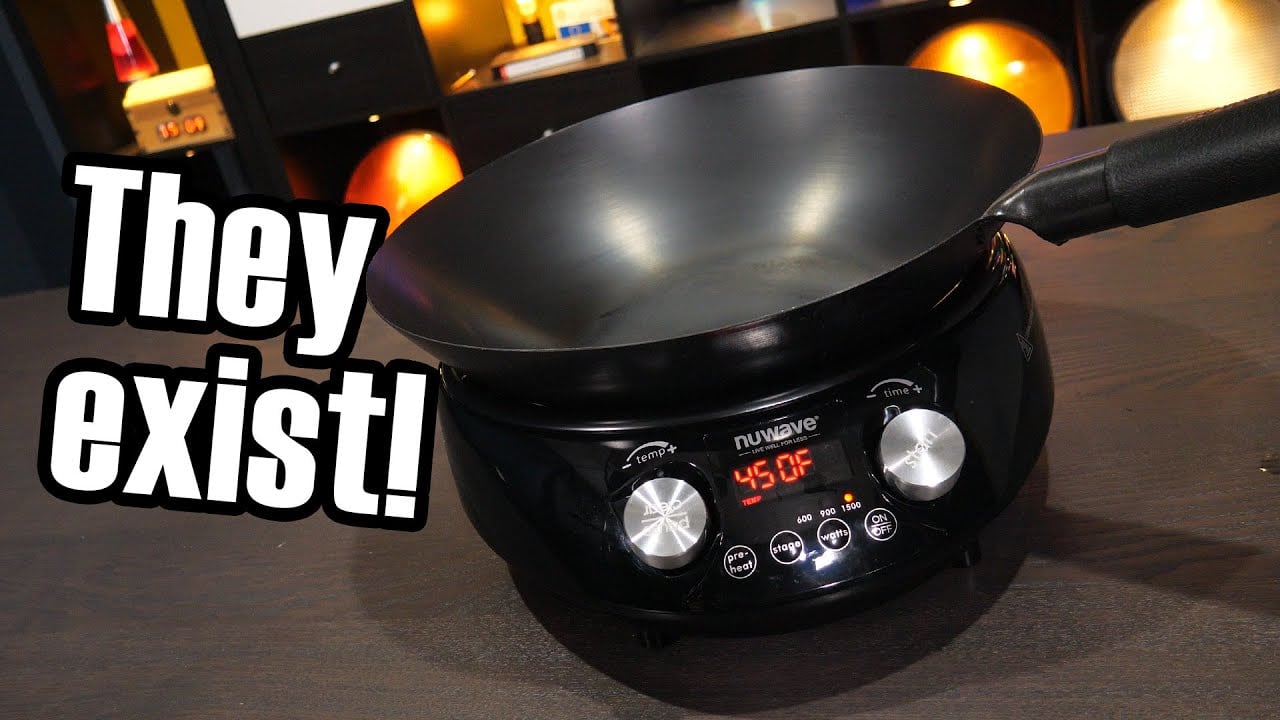
Video: Induction cooking – but what about woks?, Technology Connections. Open the educational video on YouTube.
No. Check the actual rim, depth, handle clearance and device requirements. Magnetic compatibility with a hob does not establish mechanical clamp fit or a suitable water range.
Do not assume this is permitted. The cited Anova safety guidance says to keep its unit off and away from the stove. Set up at a separate suitable location according to the exact device instructions.
Do not force a questionable fit or invent a tightening setting. Use the supplied assembly instructions, and obtain advice or a supported container if the clamp cannot secure the device as intended.
No. Clean each item according to its own instructions after the required shutdown and cooling sequence. A cookware care symbol does not establish electrical-device cleaning permission.
These primary documents support their identified equipment and handling requirements. Distributor-hosted PDFs retain manufacturer authorship. They do not certify other models, Kanger components or complete installations.