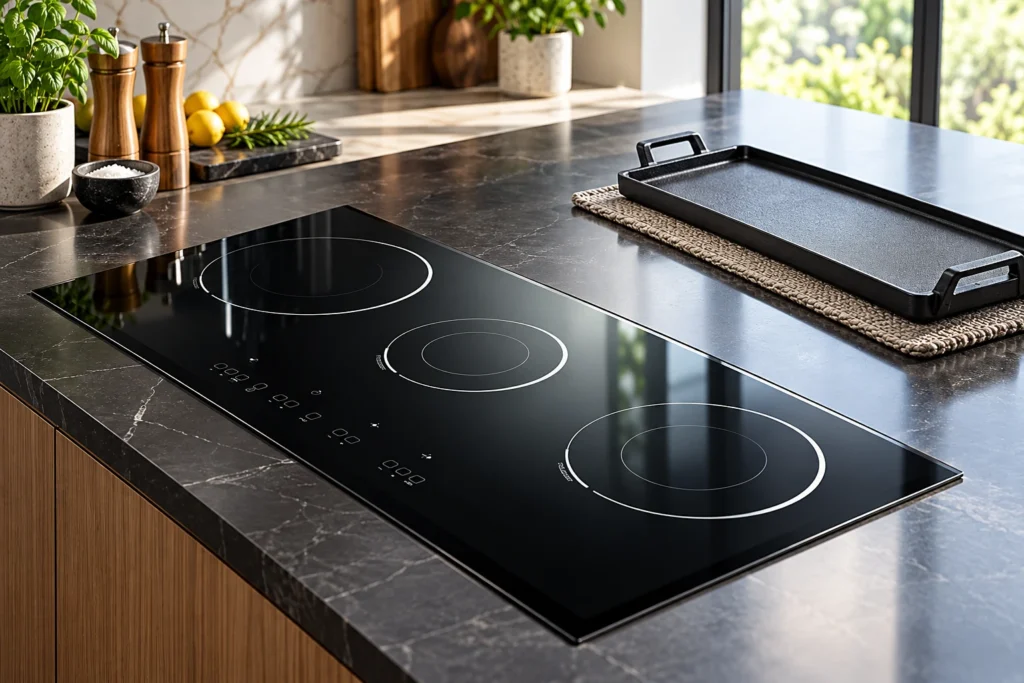
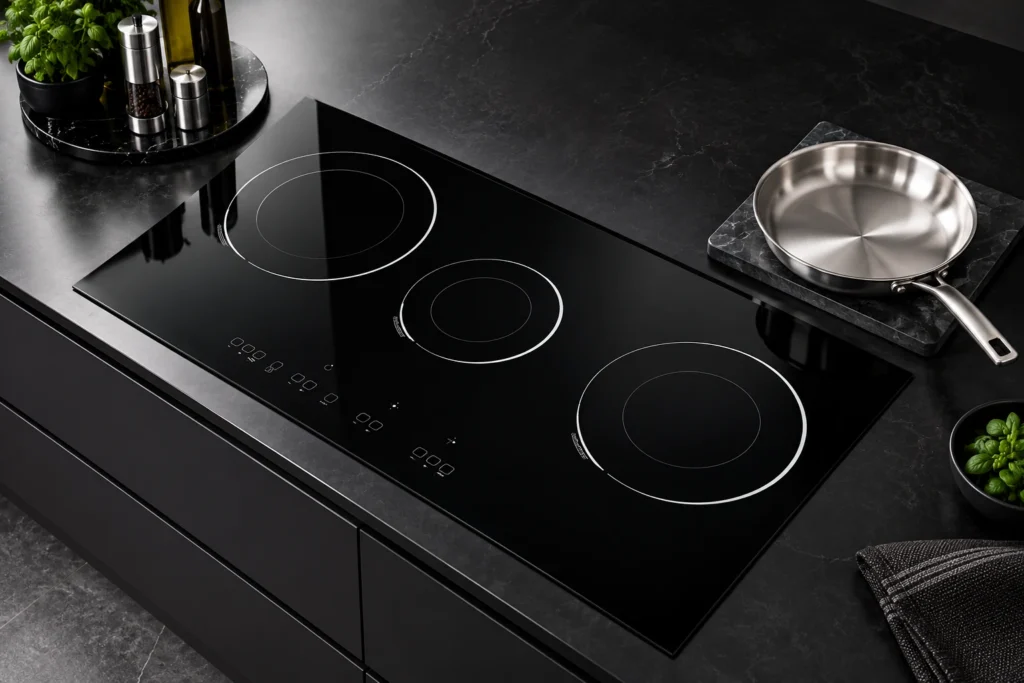
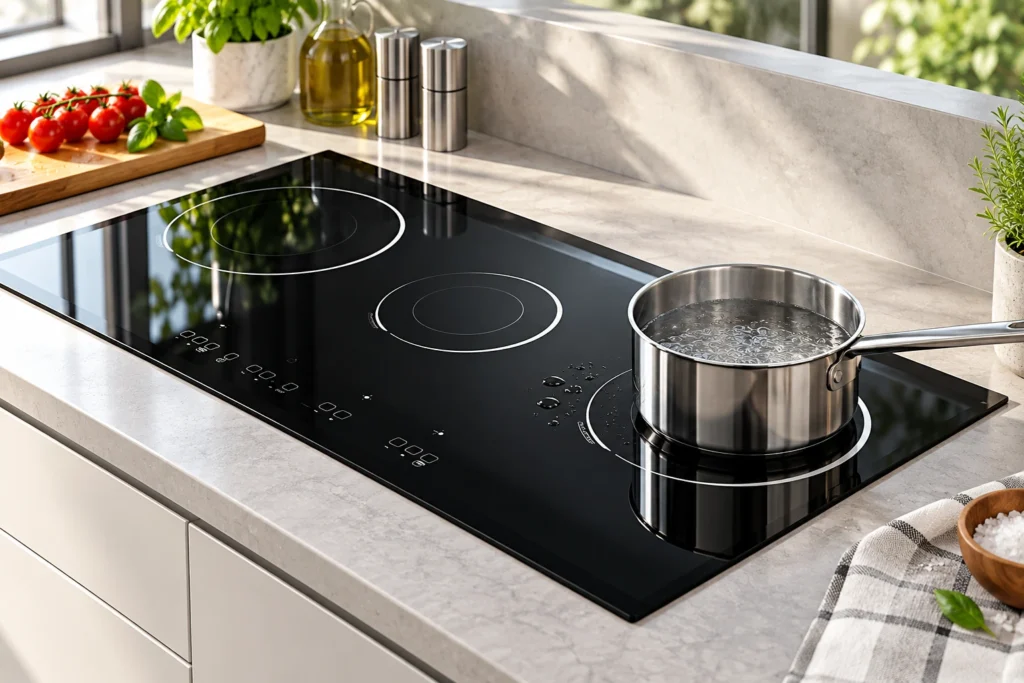
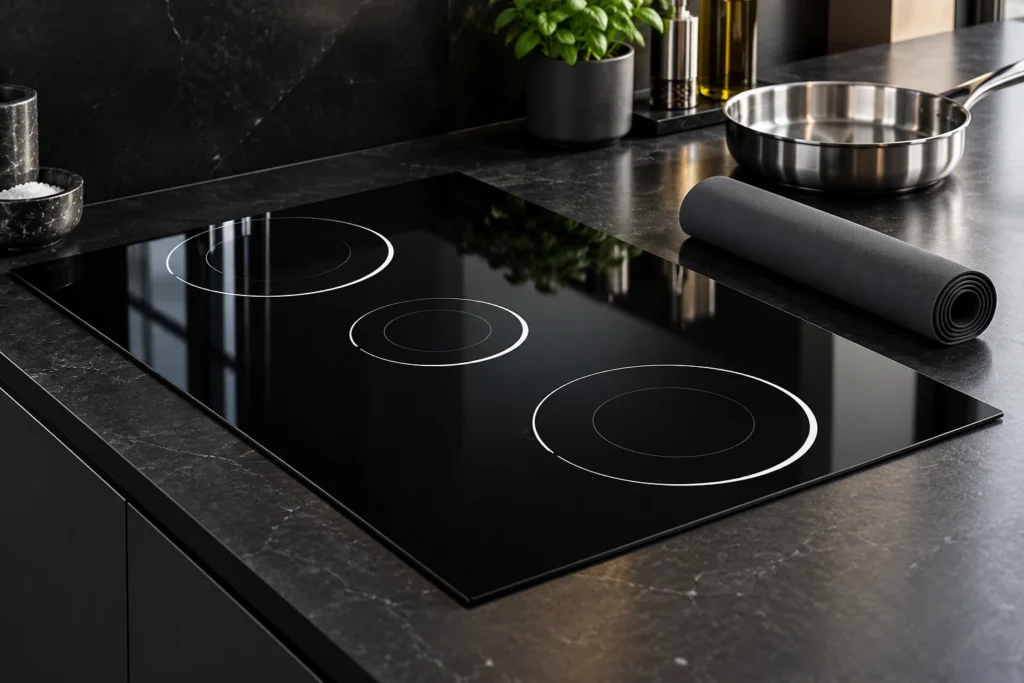
How should OEM teams review a black cooker-plate RFQ?

July 21, 2026
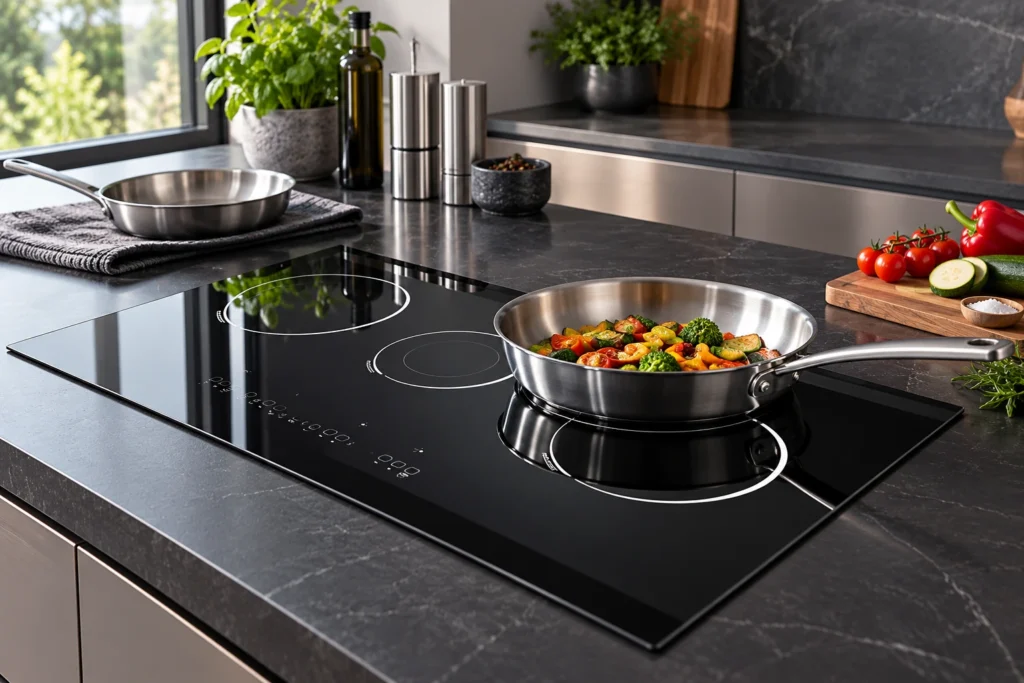
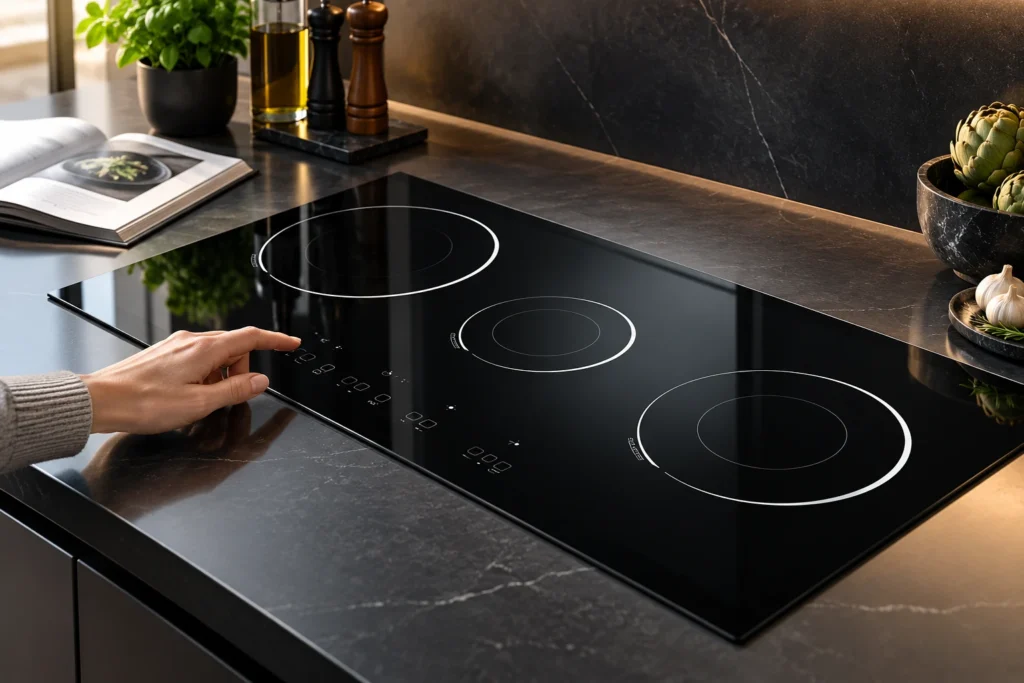
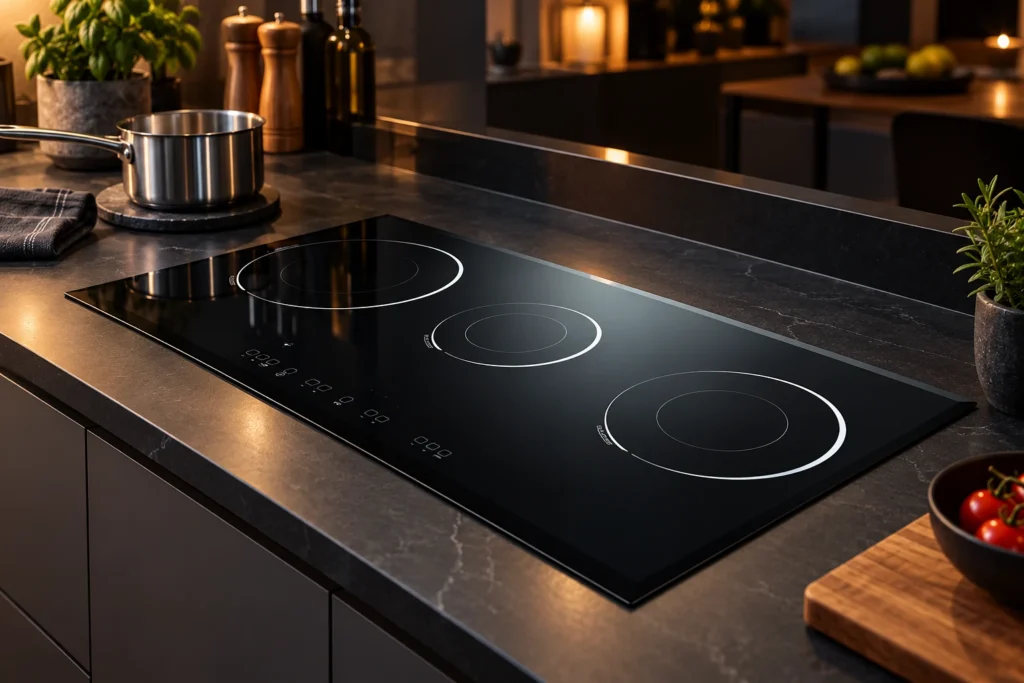
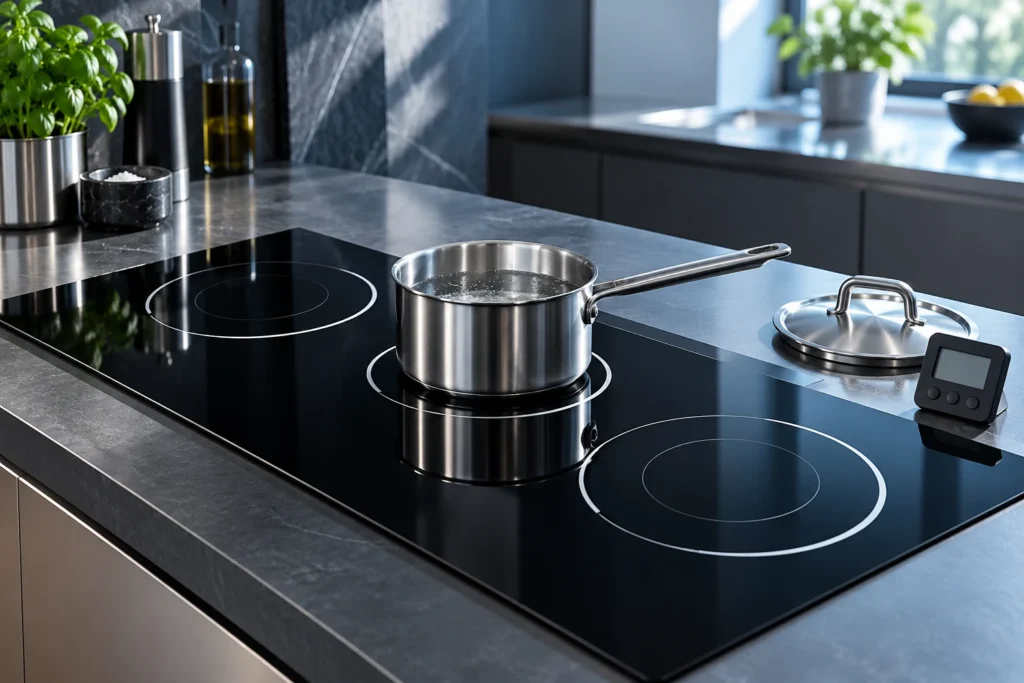
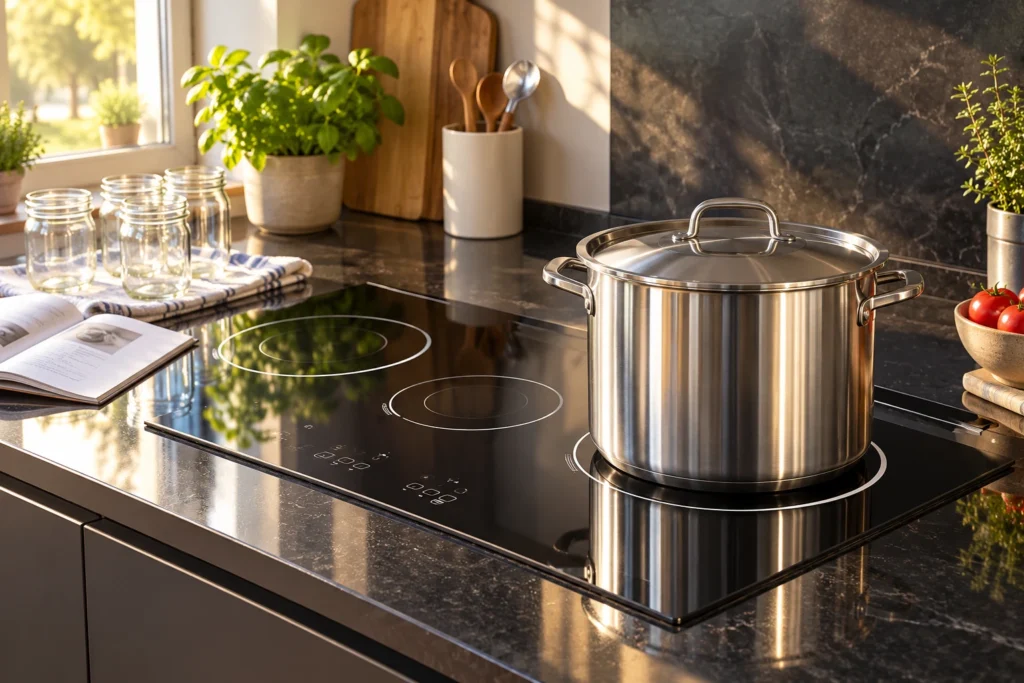
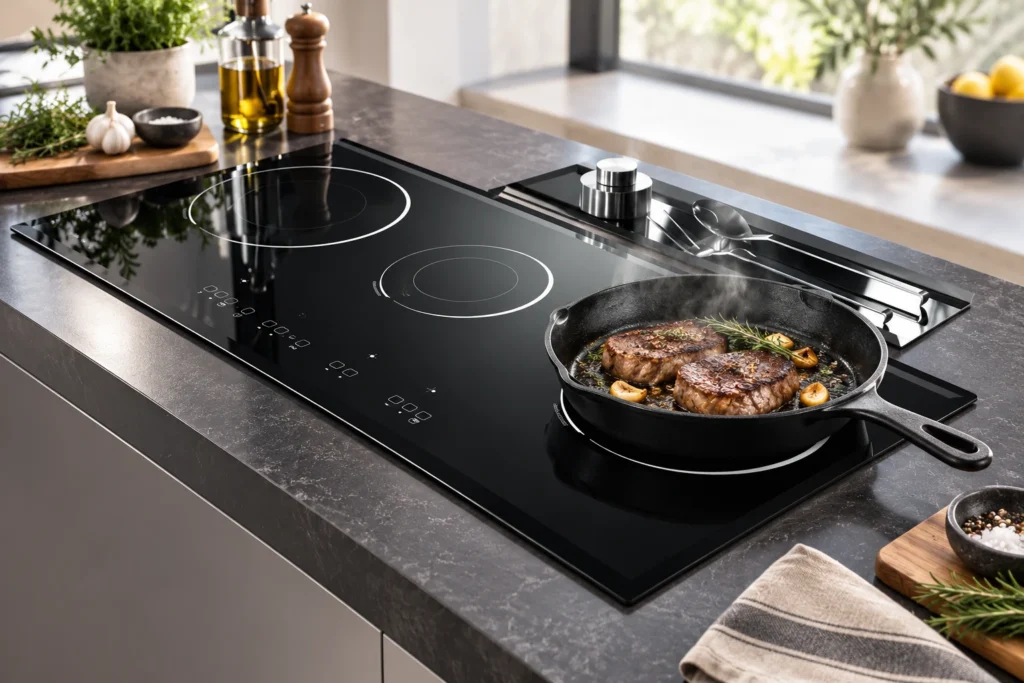
heat resistant borosilicate glass panel — KANGER official product with illustrative application background (not a real site photo)

Review a black glass ceramic cooker-plate RFQ by defining the approved heating assembly, panel drawing, edge condition, and supplier test documentation. Before an OEM team compares suppliers, turn the broad phrase into a controlled component request. The Kanger product overview can identify the relevant family, but the drawing and application record decide whether a quotation […]

How do commercial wok programs size a concave cooktop panel?

July 20, 2026
wok burner glass ceramic — KANGER official product with illustrative background (not a real site photo)

Size a concave glass-ceramic cooktop panel from the approved commercial wok burner envelope, wok-foot contact zone, concave profile, and flat border together—not from a burner diameter alone. Put those interfaces on a controlled top view and section drawing, then require deviations to be declared before quoting. For material-selection context, read the wok-burner material guide. For […]

How should buyers specify shaped glass ceramic for wok and commercial stove designs?

July 20, 2026
concave glass ceramic cooktop — KANGER official product with illustrative background (not a real site photo)

Use shaped glass ceramic only when the stove design needs a defined contour, opening pattern, or support interface that a flat plate cannot represent. For Chinese-style wok and commercial kitchen projects, review the panel with the burner, vessel support, frame, heating method, and current drawing revision before quotation. A traditional cooking concept is not a […]

How should OEMs control fireplace door glass fit?

July 19, 2026
transparent glass ceramic fireplace door — KANGER official product with illustrative background (not a real site photo)

Transparent glass ceramic fireplace doors should be quoted from a controlled drawing that defines finished dimensions, project-approved size tolerance, thickness, edge and corner treatment, gasket/contact layout, and frame clearance. A material name or outside size alone cannot show whether a panel will fit the door assembly without edge loading during service. This guide helps fireplace […]

What design constraints apply to porcelain white glass-ceramic cooktop panels?

July 18, 2026
white glass ceramic cooktop — KANGER official product with illustrative background (not a real site photo)

Porcelain white glass-ceramic cooktop RFQs must attach a drawing that defines panel outline, cutout layout, decoration zones, frame-capture borders, and flat-or-shaped routing—then require every supplier to confirm manufacturability on the white decorative line before price comparison. OEM industrial designers, cooktop platform engineers, and importer sourcing teams use these fields to keep a bright decorative surface […]

How should OEM buyers plan white cooktop panel color lots and MOQ?

July 18, 2026
white glass ceramic cooktop — KANGER official product with illustrative background (not a real site photo)

White glass-ceramic cooktop RFQs should define a color reference sample, lot acceptance method, decorative consistency criteria, and MOQ planning fields—then require every supplier to complete the same appearance and quantity table before price comparison. OEM sourcing teams, appliance industrial designers, and importer QA groups use these fields to keep porcelain-white hob surfaces visually aligned across […]

Do “glass ceramic” and “ceramic glass” mean the same material in OEM RFQs?

July 15, 2026

For cooktop and appliance-panel RFQs, “glass ceramic” and “ceramic glass” usually describe the same engineered glass-ceramic material class—not ordinary window glass or pottery ceramic. Buyers should normalize the material name, application, color variant, thickness, and thermal test fields before comparing supplier quotes. This guide helps OEM sourcing teams, cooktop manufacturers, and importers align RFQ vocabulary […]

What should “durable” mean in a cooktop panel RFQ?

July 15, 2026

A durable glass-ceramic cooktop panel RFQ must define thermal shock behavior, coefficient of thermal expansion, operating temperature, thickness, edge treatment, and required test documents—not the adjective “durable” alone. Engineering durability on a cooking surface is proven with thermal metrics and inspection records, not marketing copy. This checklist is for cooktop OEM buyers, appliance R&D teams, […]

Which oven door glass type matches your heat duty?

July 14, 2026
tempered glass appliance panel — KANGER official product with illustrative background (not a real site photo)

For oven door panels, match material class to heat duty: borosilicate fits high thermal-shock and chemical-exposure observation duties; tempered soda-lime fits architectures that need higher impact strength and defined Low-E inner-door roles—then lock thickness, edge finish, and test fields in the RFQ before comparing quotes. Generic “heat resistant oven glass” labels cause the wrong grade […]

What heat duty should microwave panel RFQs define?

July 14, 2026
microwave glass ceramic panels — KANGER official product with illustrative background (not a real site photo)

Microwave glass ceramic panel RFQs must define peak cavity temperature, thermal shock expectation, chemical exposure, thickness, edge finish, and whether the duty is a cavity observation panel or a cooktop surface—then route borosilicate for typical cavity doors and glass-ceramic only when engineering confirms cooktop-class duty. Without those fields, suppliers quote incompatible grades under the same […]