Kanger Glass-ceramic Co., Ltd.
A glass coating machine should be evaluated for the surface system and finished function required by the part. Identify the substrate, coating purpose, application route, curing or treatment sequence, geometry, and inspection method before comparing equipment. Decorative color, an opaque mask, and a functional optical or touch-related layer are different requests. For appliance glass, ask how the proposed route will produce a qualified component without assuming that a machine label proves compatibility. This guide does not claim that Kanger owns a particular coating line or supplies every coating technology discussed in an inquiry.
Define the coating’s job before choosing equipment
Start with the intended function: hiding the module, controlling appearance, changing a surface interaction, defining an optical zone, or another documented purpose. Identify the coated face and any areas that must remain clear. A phrase such as functional coating is too broad to establish the required material or process. The designer and processor need a shared definition of the finished behavior.
Keep the coating separate from the substrate description and from printed artwork. A panel may include more than one surface operation, each with a different function and sequence. Show the layer arrangement or surface map where that information affects manufacturing and inspection. Do not treat a dark product photograph as evidence for coating composition, thickness, or performance. Those details require the actual specification and supporting supplier information.

Identify the proposed application mechanism
Different systems can apply different materials using different mechanisms. Ask the equipment or process supplier to explain the route proposed for the actual coating and geometry. The term glass coating machine alone does not establish that a system can handle a particular liquid, print, film, or functional layer. Review its application scope and limitations through documented information.
Confirm whether the equipment proposal covers preparation, application, drying or curing, inspection, and handling, or only one stage. A demonstration of material deposition is not a complete qualification of the finished pane. The quotation should account for the interfaces between stages and identify responsibility for the final output. Avoid comparing headline throughput figures that include different parts of the route.
Prepare the surface using an approved method
Cleanliness and surface condition can affect coating behavior, but the preparation method must be compatible with the actual substrate and surface system. Follow the material and equipment documentation. Define how the pane is cleaned, handled, oriented, and transferred before application. An unapproved cleaner or a handling material can introduce a variable that later appears as a coating problem.
Record the condition of the incoming pane and the point at which it was last acceptable. Inspect for marks that could be confused with an application defect. Protect functional faces without introducing unreviewed films or residues. If a preparation change is proposed, evaluate its effect on the finished coating and downstream stages rather than treating improved wetting on one trial as sufficient evidence for production release.
Map coverage, exclusions, and functional zones
Show the coated region, edge boundary, clear aperture, contact area, and no-coating zones where relevant. Reference these features to the same datums used for the pane and assembly. A uniform full-face coating and a patterned surface system require different control questions. Confirm how the proposed route defines boundaries and prevents material from entering excluded areas.
Review holes, cutouts, corner transitions, and edge behavior. The coating may interact with support, seals, adhesive, or hardware differently at those locations. A flat center coupon does not establish the result on every feature of the final panel. Use a representative sample and inspect the zones that matter to the actual appliance. Any design or masking adjustment should be controlled in the drawing or process definition.

Establish the curing and treatment sequence
The applied material may require a particular drying, curing, firing, or other process. The exact route and conditions depend on the surface system and substrate. Confirm compatibility with later washing, printing, heat treatment, bonding, and assembly. Do not infer a universal curing temperature or a tempering-compatible finish from a generic coating-machine description.
For conventional heat-treated flat glass, NGA’s fabrication guidance provides an important boundary for cutting and related modifications before heat treatment. Surface systems also need their own approved sequence and compatibility review. Ask the processor which stages occur before or after treatment and what evidence supports the actual configuration. Keep the finished part, rather than only a coating coupon, within the qualification scope when geometry or assembly matters.
Specify inspection around the required function
Choose inspection outputs that correspond to the coating’s purpose. Coverage, appearance, boundary position, thickness where specified, optical behavior, adhesion or durability evidence, and functional compatibility can require different methods. Avoid a generic pass statement that hides which checks were actually performed. The part drawing and qualification plan should identify the relevant conditions and acceptance requirements.
If thickness or optical properties are measured, confirm that the method is suitable for the actual substrate and layer. Instrument settings, reference samples, interfaces, and measurement locations matter. NIST’s uncertainty guidance provides a general framework for evaluating measurement reliability; it does not select the coating tolerance or establish the equipment’s capability. Keep the method and individual results traceable to the sample being evaluated.
Coating-process inquiry table
| Requirement | Question for the process or equipment supplier | Evidence to request |
|---|---|---|
| Finished function | What exact surface behavior is required? | Controlled specification identifies the coating purpose |
| Substrate and geometry | Which material, thickness, size, and features are involved? | Trial represents the actual component or states its limits |
| Application route | Which mechanism and material system are proposed? | Documentation supports compatibility with the intended coating |
| Surface preparation | How are cleanliness, orientation, and transfers controlled? | Defined preparation and handling record |
| Coverage and boundaries | How are coated and excluded zones located? | Location-specific inspection against the released surface map |
| Cure and downstream stages | Which sequence is approved for the full part? | Qualification covers relevant treatment, bonding, and assembly interfaces |
| Acceptance and changes | Which outputs are checked and what triggers review? | Repeatable inspection and controlled revision history |
This table contains no coating chemistry, process setting, or performance value attributed to Kanger. Those details must be confirmed for the actual order.
Qualify representative parts rather than an attractive demonstration
Use samples that represent the material, surface map, critical features, and intended full route. Define the acceptance plan before the trial. Include the relevant appearance, dimensions, optical or functional outputs, and durability evidence required by the product. If a sample differs from production in size, material, coating, or process, state which conclusions can still be supported.
Preserve the sample identity and the process record. A photograph of a finished pane may document appearance under one condition but cannot establish every functional or durability claim. Keep test reports linked to the actual configuration and explain their scope. Approval of a color sample should not silently become approval of cleaning resistance, touch performance, or an untested thermal exposure.
Investigate defects through the process boundary
For a patch, streak, boundary shift, or appearance variation, record the first stage where it becomes visible. Compare substrate, preparation, material batch, application setup, cure, handling, and inspection conditions. A mark found after packing is not automatically an application defect. The last acceptable inspection and controlled comparison often provide a better starting point than the defect’s informal name.
Change a defined input and evaluate the relevant output when testing a hypothesis. Record unsuccessful trials as well as improvements. Avoid making several undocumented adjustments until a sample looks acceptable. A correction should connect to the demonstrated cause and be verified on representative parts. The released process needs a reaction plan for recurrence, not only a note that the operator should be more careful.
Connect equipment questions to an appliance-glass order
If the OEM is buying finished panels, provide Kanger the substrate, drawing, surface map, function, assembly, and required evidence. Ask the supplier to confirm available and applicable surface options for that exact request. Kanger’s appliance-control page provides a relevant product starting point but does not verify a specific coating machine, chemistry, or performance claim.
If the task is equipment purchasing, compare the complete system against a defined part and coating program, including preparation, application, curing, inspection, maintenance, and handling. In both cases, the useful result is a confirmed route and a measurable finished requirement. Keep agreed changes in controlled documents so later production does not depend on a vague coating name or an old demonstration photograph.
Frequently asked questions
Does one coating machine handle every glass surface system?
No. Confirm the mechanism, material compatibility, geometry, preparation, cure, and full route for the actual requirement through documentation and representative trials.
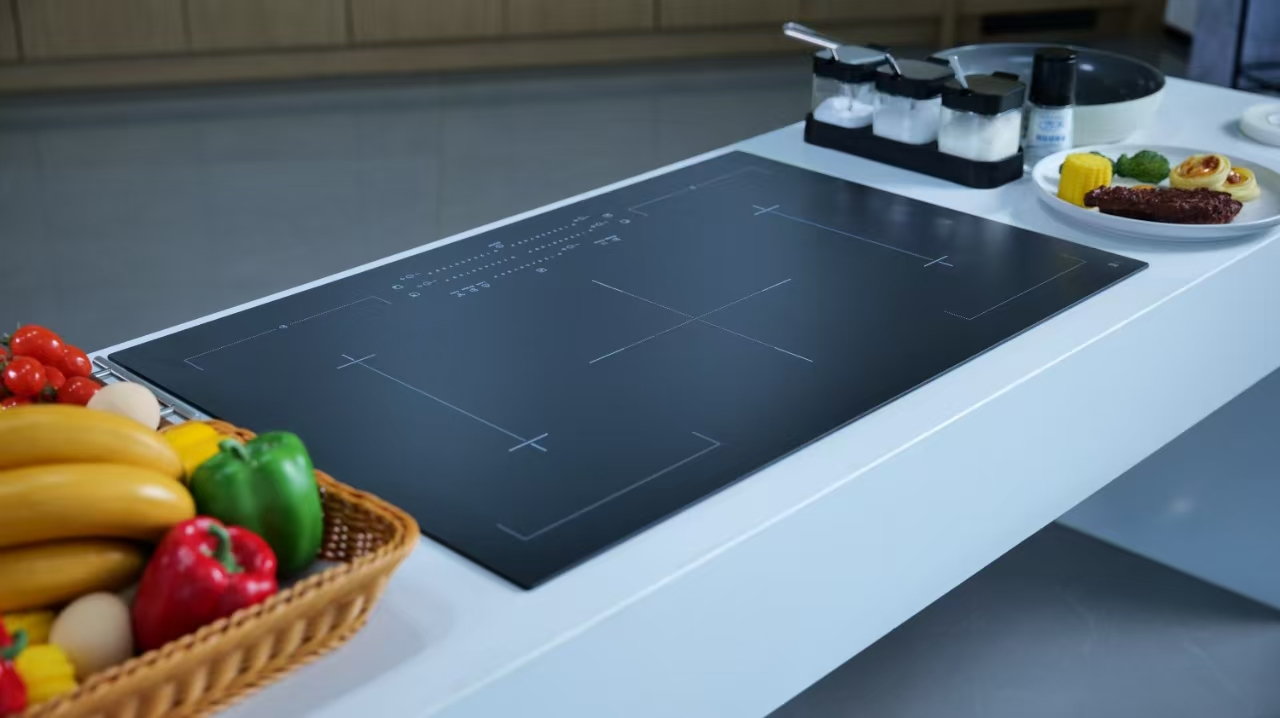
Is a dark appliance panel proof of a particular coating?
No. Appearance alone does not identify chemistry, thickness, treatment sequence, or performance. Request the actual specification and supporting supplier information.
What should a coating trial demonstrate?
It should cover the relevant substrate, geometry, surface zones, full route, and required appearance or function. State which durability or assembly questions remain outside the trial.
What changes require another review?
Review affected requirements when substrate, coating material, preparation, application, cure, treatment, surface map, adhesive, or assembly changes. Keep approval tied to identifiable revisions.
Related appliance-glass resources
- Thermal Shock Resisitance Tempared Glass For Household Appliances Panel Product
- Tempered Glass Appliance Panels: OEM Specification Guide
- How to Specify Durable Screen Printing on Appliance Control Panel Glass
- Tempered Glass Appliance Panels: OEM Specification Guide
Sources and further reading
- GGF Glazing Manual — architectural-glass context, not an appliance specification
- NGA — fabrication before heat treatment
- NIST — measurement uncertainty
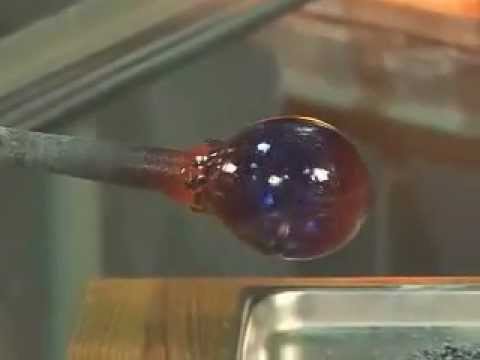
Educational video: Coloring Objects
A museum explanation of how glass objects receive color provides context for distinguishing substrate appearance from applied decoration. It does not qualify an appliance coating.