An empty pan on an induction hob can heat rapidly, so do not use empty cookware as a performance test or assume automatic protection will prevent damage. If a pan has been left heating without food or liquid, stop the cooking zone when it is safe to do so and follow the appliance and cookware instructions. Do not touch the pan to check its temperature, pour cold water into it, or restart the hob to recreate the event. Visible damage, a crack, an unusual smell or continuing abnormal operation calls for qualified assessment.
This guide concerns accidental empty-pan heating and the decisions that follow. It is not a universal preheating recipe: permitted cooking methods vary with the cookware and hob, and some appliance instructions expressly prohibit heating empty cookware.
In induction cooking, energy is generated as heat in compatible cookware rather than delivered from a glowing element below it. The Department of Energy introduction explains that basic distinction. With no food or liquid to receive energy, the pan is operating under a different thermal condition from a normal water-heating comparison. A short lapse can therefore matter even if the glass never glows.
Neither a magnetic base nor an induction symbol establishes permission to heat that particular pan empty. Compatibility answers whether the cookware can interact with the heating system; safe operating instructions also address how it may be used. Base construction, coatings, the recipe and selected setting all belong in that decision. Do not turn a compatibility check into an improvised high-power preheat.
Bosch’s guidance on induction cookware specifically warns against empty cookware and notes that protective response may not be fast enough in that situation. This is a warning about the limits of reliance on protection, not a stated response time for every appliance. It is also not evidence that an intact-looking pan survived an incident without changes.
Pan detection, residual-heat indication, temperature protection and a cooking timer have different jobs. Detecting a pan does not detect its contents. A timer ending does not establish that the pan is cool. A residual-heat symbol does not provide a complete measurement of the pan base, handle, coating or glass underneath. Read the actual protection description for the exact model rather than combining those features into a general promise.
For a separate discussion of an appliance stopping during ordinary cooking, see our induction shutdown guide. The first step after an empty-pan event remains making the situation safe, rather than diagnosing the control algorithm.
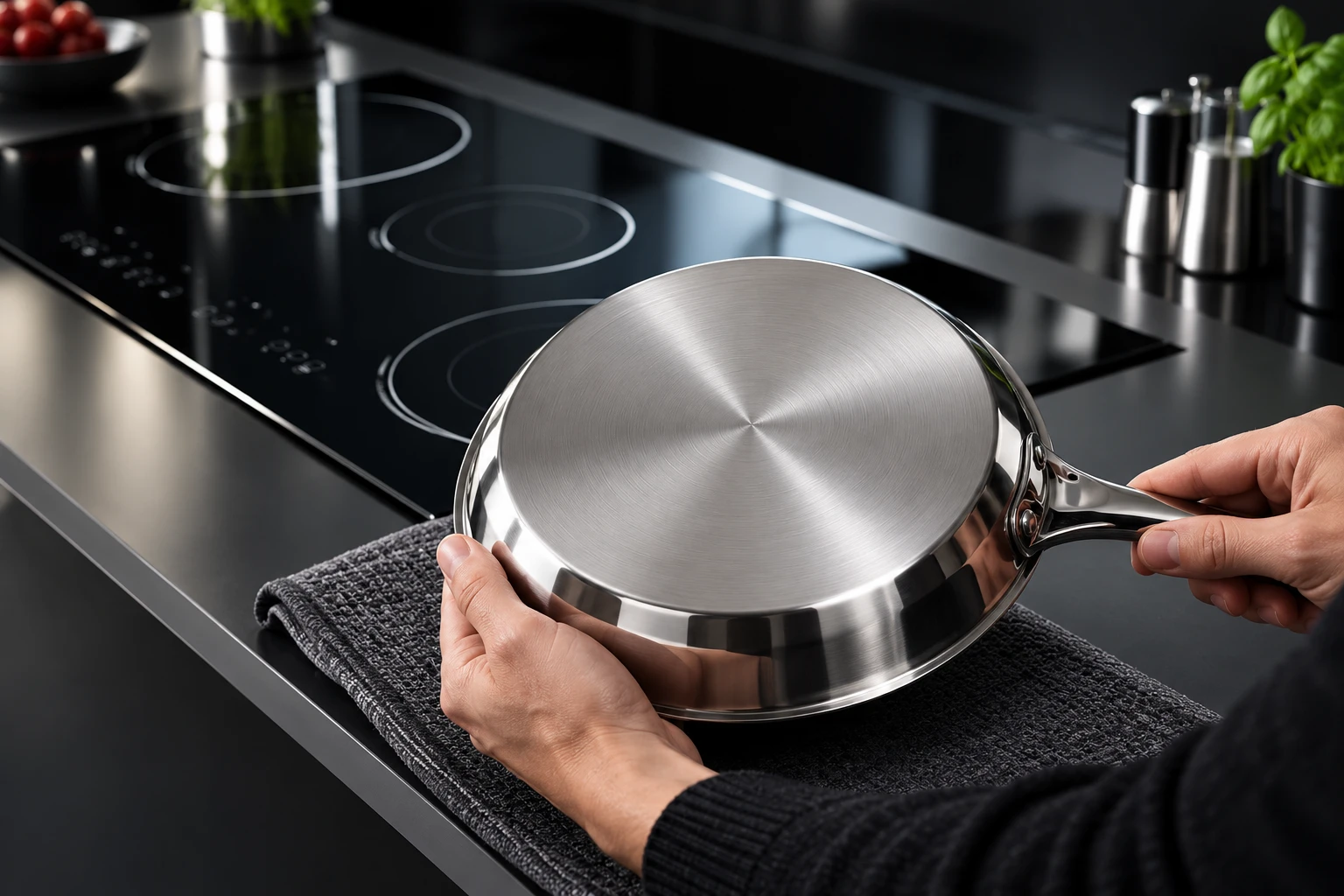
Stop the zone with the normal control if you can do so safely. Keep away from hot metal, steam and fumes. Do not pick the pan up with an unprotected hand, slide it across the glass, or place it onto a surface that may be damaged by heat. If there is fire or immediate danger, follow the emergency procedure appropriate to the situation and contact emergency services when needed. Do not use water on an oil fire or electrical equipment.
Do not quench the pan to speed the investigation. Adding water to very hot cookware can create a sudden steam hazard and a rapid temperature change. Leave the appliance undisturbed within the manufacturer’s safe shutdown procedure. If the pan appears stuck or fused to the glass, do not pull, twist or pry it free. Arrange service advice before trying to separate the parts.
Keep people away while the assembly cools. Do not cover the hob with paper, a towel, a board or a storage cover. The lack of visible activity after switch-off is not a temperature measurement. If an isolation step is required, use only the documented safe method and never remove the appliance or open its enclosure yourself.
When the appliance instructions allow access and everything is safe to handle, photograph the pan and glass before removing evidence with cleaner. Record the setting, selected zone, whether boost was used, and the best available estimate of the sequence. If duration is unknown, write “unknown” rather than choosing a reassuring number. A service provider can work with uncertainty when it is stated clearly.
Look for visible cracks, transferred material, distortion, coating change and an altered pan base. Observe without scraping, flexing the glass or heating the pan again. If you find a crack, stop using the hob and request qualified assessment. If the cookware is damaged or its condition is uncertain, ask its manufacturer whether it should be retired. A cosmetic judgement by eye cannot certify coating or structural condition.
| What you observe when safe | What it establishes | Practical response |
|---|---|---|
| No visible mark | No obvious surface change was seen | Review the event and manuals; do not call this proof of no damage |
| Pan no longer sits flat | Cookware geometry has changed or is unsuitable | Set the pan aside and obtain cookware advice |
| Crack or material apparently bonded to glass | A visible defect needs assessment | Do not operate or force the parts apart |
| Smell, error or trip persists | Operation remains abnormal | Keep out of use and contact qualified service |
| Uncertain coating or discolouration | Appearance alone does not identify the cause | Document it before approved cleaning; ask the manufacturer |
This decision table deliberately provides no universal temperature, time limit or safe restart period. Those values depend on the particular assembly and cannot be reconstructed from appearance alone.
A pan that rocks on a flat counter can affect future contact and stability, but a rocking pan does not identify an electrical fault inside the hob. A mark on the glass can be residue, transferred material or a surface change; it does not automatically identify a crack. Keep each observation linked to the object and location where you saw it.
Use only approved cleaning methods on an intact surface after the incident has been assessed as suitable for cleaning. Avoid abrasive experiments, aggressive chemical combinations and razor techniques outside the manual. Our pitting and residue guide explains why repeated scraping is a poor diagnostic method for an uncertain mark.
The glass may have received heat from the pan even though induction does not rely on heating the panel as its primary cooking method. A material description such as glass-ceramic therefore does not make the finished appliance immune to an abnormal event. Likewise, a control shutdown does not establish that replacement glass alone is the right repair.
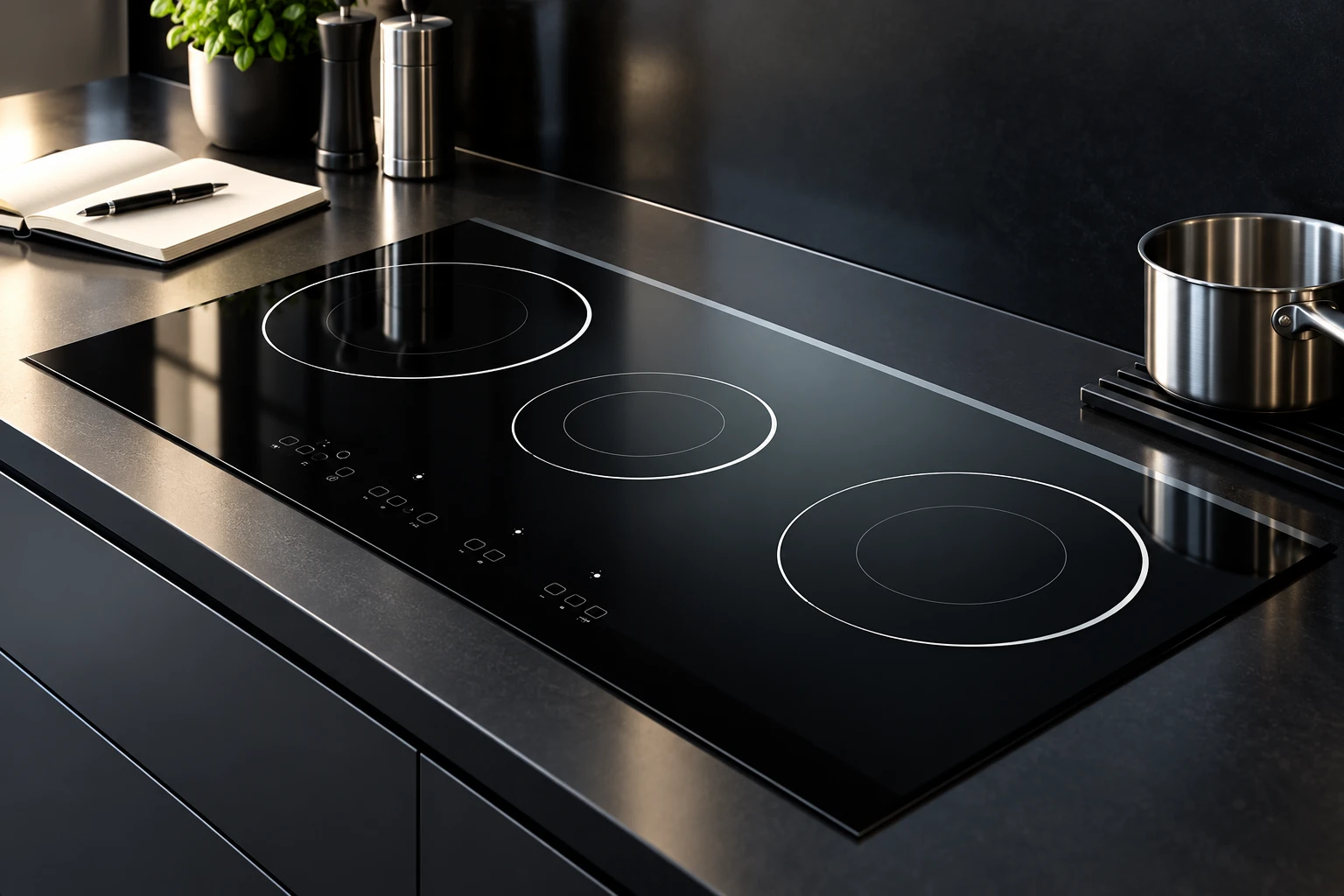
Follow the hob manufacturer’s instructions for the actual incident. If the event involved visible damage, suspected melting, persistent smell or electrical symptoms, obtain service guidance before use. If a normal return is permitted, use cookware whose condition and instructions are satisfactory, with the food or liquid required for the cooking task. Stay present and start with the recipe’s appropriate setting.
Do not replay the incident to see whether the safety system now works. Do not compare two empty pans at boost, deliberately boil a pan dry, or measure maximum temperature with household tools. A controlled cooking observation changes one relevant variable while staying within normal permitted use. It is not a stress test of the panel or protection system.
If the symptom is recurring on and off heating at a low setting during normal cooking, see our pulsing explanation. If the issue is uneven cooking across a pan, compare cookware geometry and zone match separately rather than extending an empty-pan experiment.
Prepare ingredients and utensils before energising a zone. Select the intended zone consciously, especially when several pans are on the counter. Keep the area organised so an empty pan awaiting washing does not sit over a zone someone else might activate. Do not store cookware or other objects on the hob between meals. A lock function may support a routine, but it does not replace supervision.
Read the cookware instructions alongside the appliance manual. A recipe’s general instruction to preheat does not override a specific equipment prohibition. Ask the manufacturers when their instructions appear inconsistent. Avoid unsupported online rules such as “all induction pans are safe empty for a minute” or “the glass stays cold, so nothing can happen.” Neither statement gives you a reliable operating limit.
For ordinary compatibility and handling questions involving a heavy pan, our cast-iron handling guide addresses clean bases, lifting and appliance permission. Those practices complement incident prevention without turning one material into a universal safe choice.
When specifying glass-ceramic cooktop panels, keep the material order separate from finished-appliance verification. Provide drawings, support conditions, decoration details and the intended heating assembly. Ask how abnormal-use evaluation is defined for the finished product and which reports apply to that exact configuration. Do not infer an empty-pan tolerance from panel colour or a general heat-resistance description.
A useful field-return record includes photographs, pan details, controller information and the event sequence, with unknowns clearly marked. It helps distinguish panel damage from a cookware issue or control fault. Our black glass-ceramic material overview supplies context; it does not replace assembly testing, certification or a repair decision.
The educational video below explains induction interaction with cookware shapes. It helps separate magnetic heating from a hot conventional element. It is not an invitation to copy a demonstration or run an empty-pan trial at home.
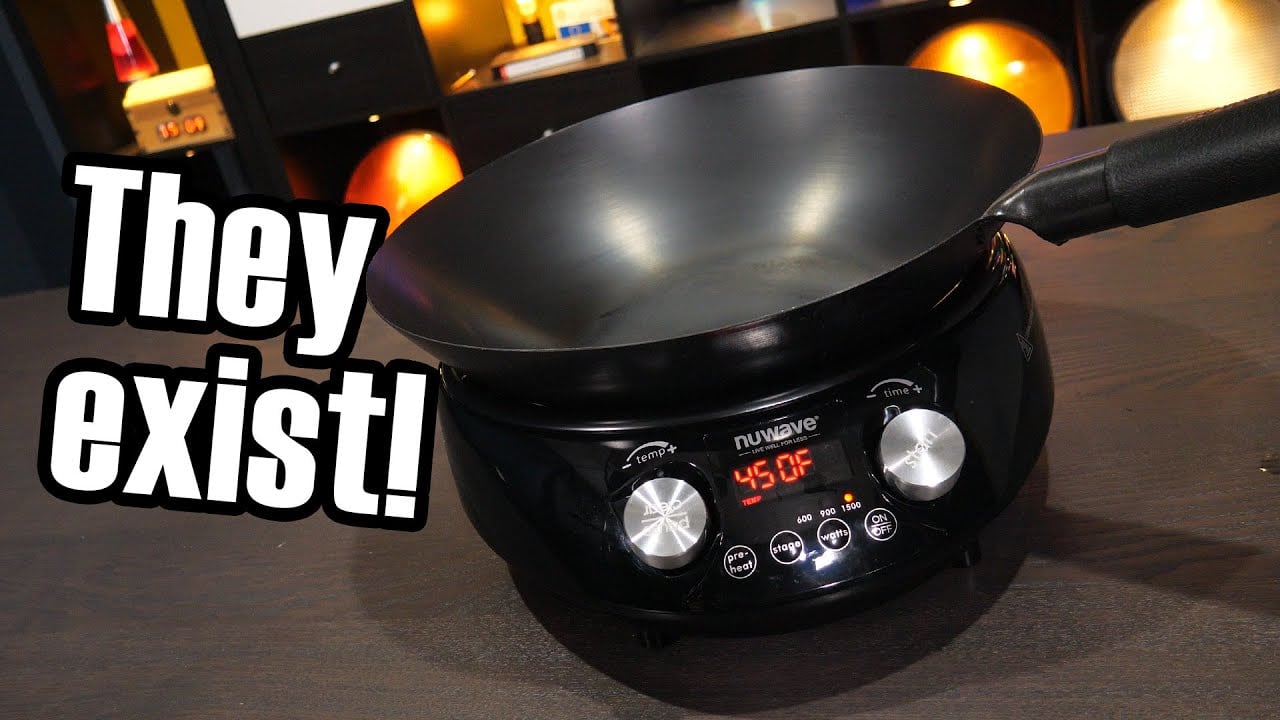
Video: Induction cooking – but what about woks?, Technology Connections. Open the educational video on YouTube.
Do not assume that. Protection features and response conditions vary, and manufacturer warnings can expressly prohibit empty-pan heating. Follow the instructions for the actual hob and cookware.
Do not quench it as a diagnostic or cooling shortcut. Hot cookware and sudden steam can cause injury. Stop heating safely, keep away, and follow the manufacturer’s incident instructions.
No. It records only that no obvious mark was seen. The pan, coating, controls and glass assembly may need separate consideration, particularly after unusual smell, distortion, suspected melting or electrical symptoms.
Do not recreate the event. Set aside damaged or uncertain cookware and seek manufacturer guidance. Any permitted return to use should follow ordinary cooking instructions, not an empty-pan protection test.