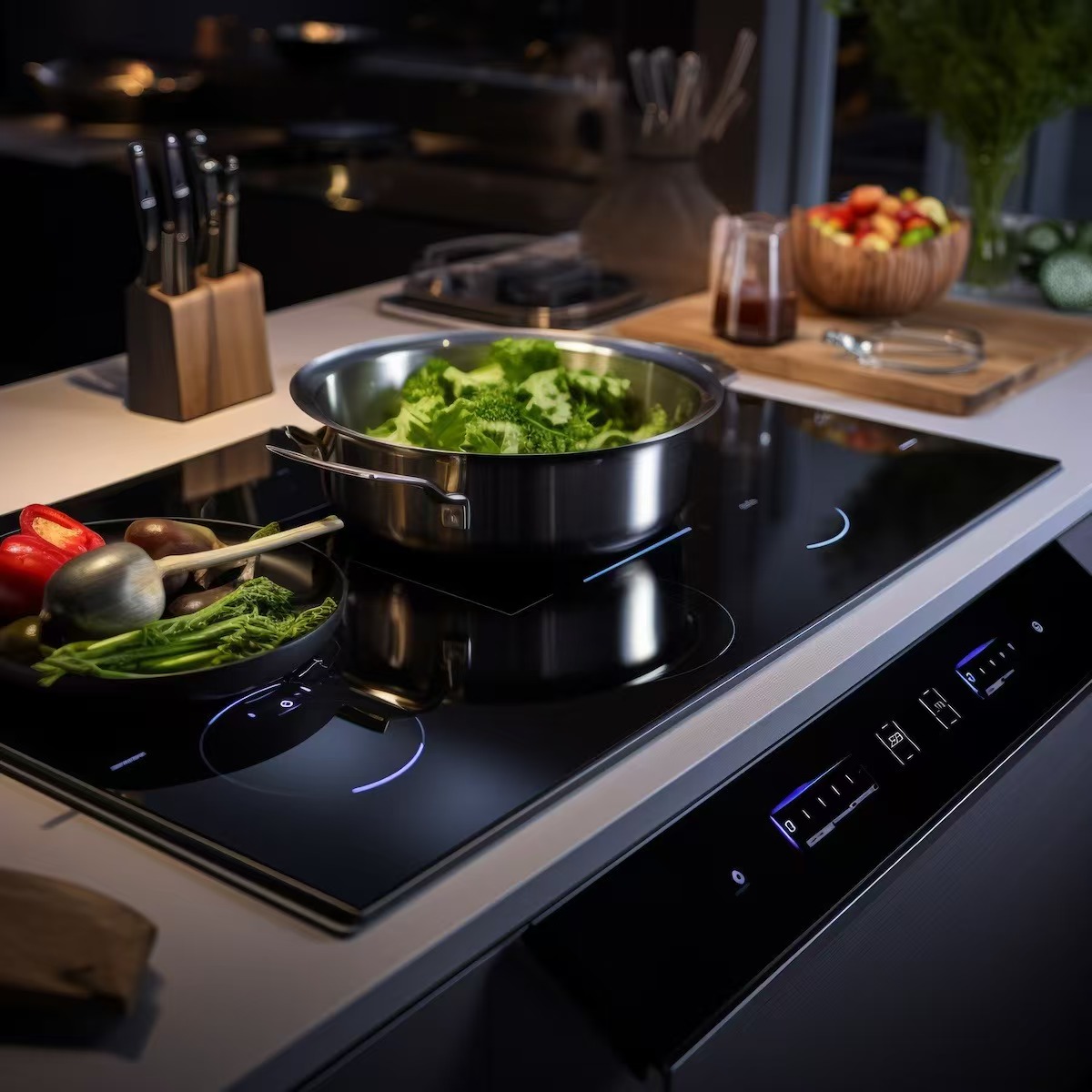
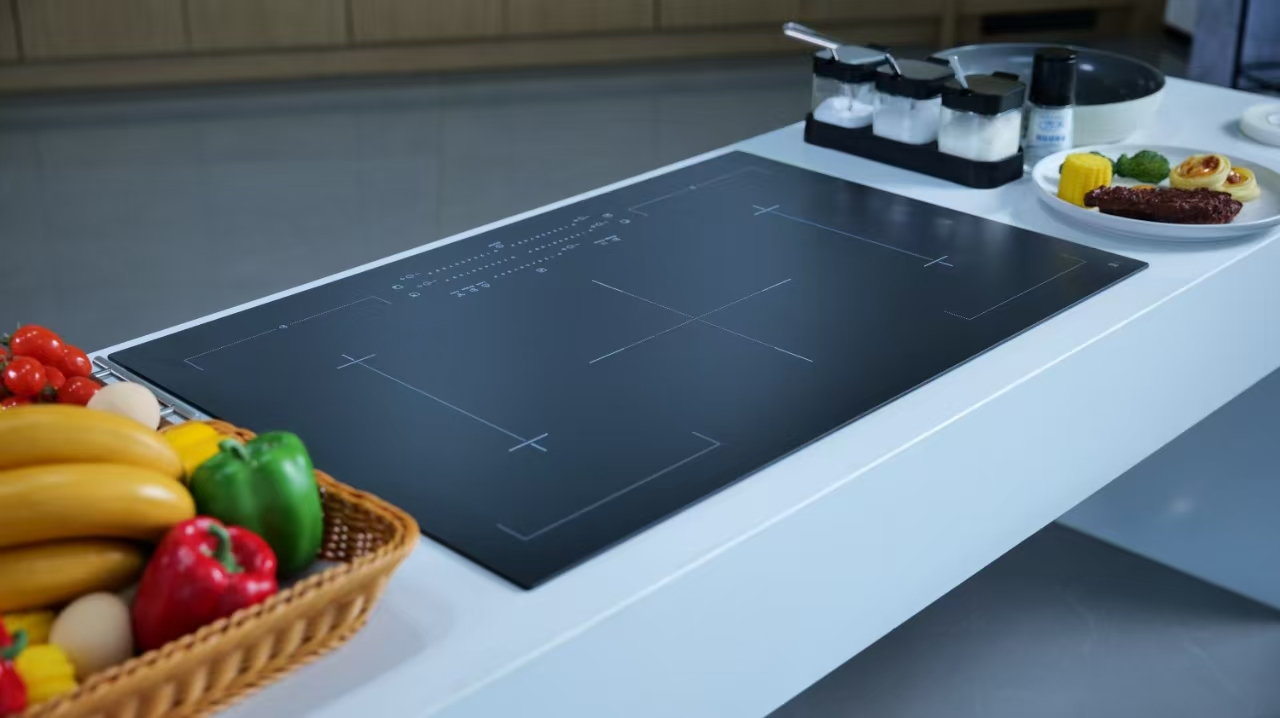
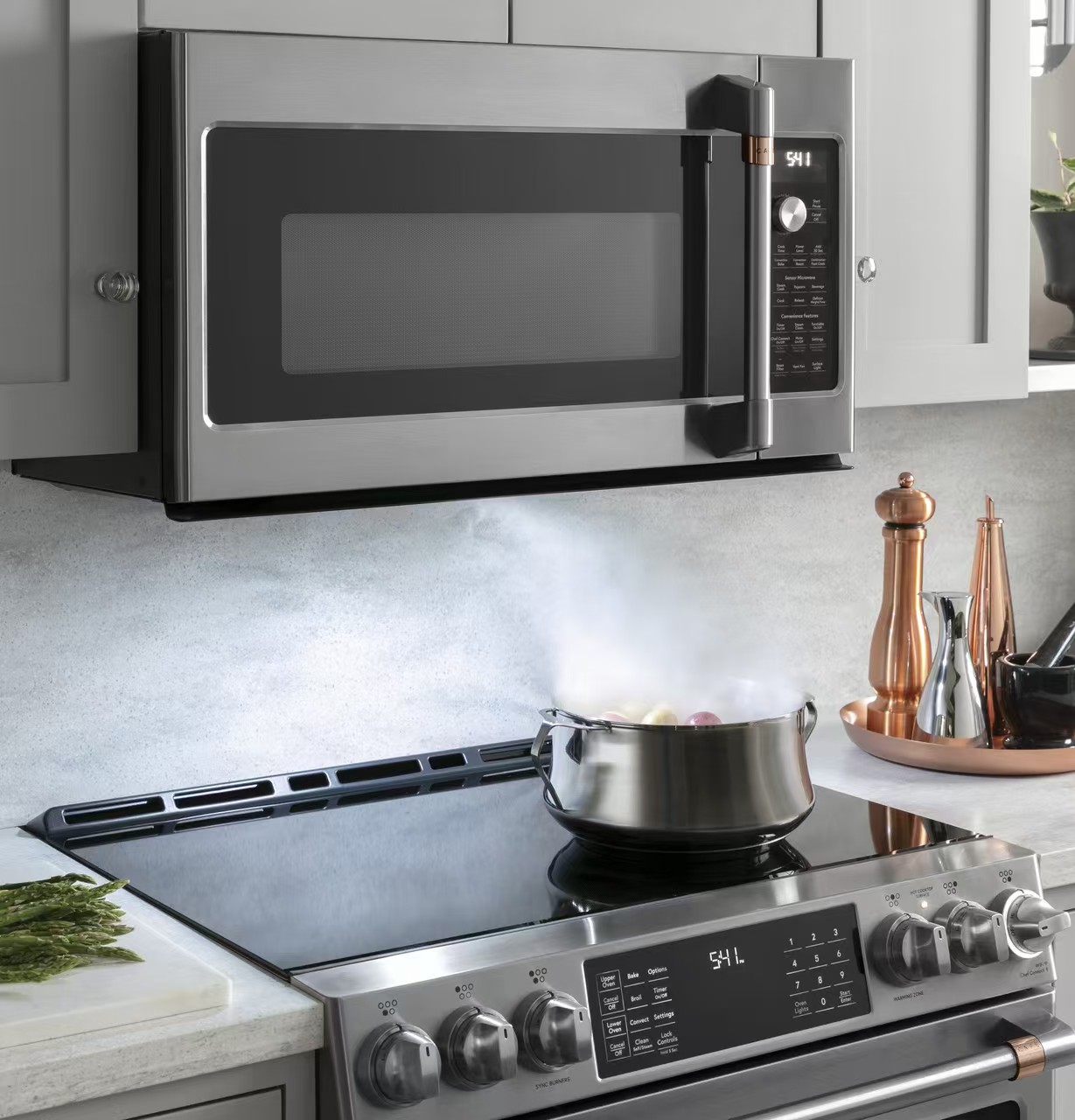
An induction adapter plate is a metal disc placed between an induction hob and cookware that the hob would not otherwise heat directly. It becomes an additional heated component rather than turning the pan into ordinary induction-compatible cookware. Before buying or using one, check the exact appliance instructions: if the hob manufacturer prohibits transfer plates, follow that restriction. A disc seller’s compatibility claim cannot override the appliance maker’s instructions. This guide explains the decision, the extra heat-transfer path and the information to record before asking for approval; it does not recommend operating a prohibited accessory.
Retail descriptions use adapter plate, converter disc, interface disc and heat diffuser inconsistently. A metal disc intended for induction is different from a silicone protector, a cold decorative cover and a heat diffuser designed for another stove type. Photograph the actual item and read its instructions. Do not assume an accessory is appropriate because its listing contains the word universal.
The appliance identity matters just as much. A smooth black surface does not tell you whether the appliance uses induction or radiant elements. Find the model number in the documentation and identify the relevant cooking zone. A hybrid appliance can require different rules on different zones. Advice for one heating system should not silently migrate to another.
For the panel itself, the Kanger black glass-ceramic product family illustrates the relevant material application. It does not certify any particular finished hob, disc or cookware combination. Assembly approval belongs to the appliance design and its instructions.
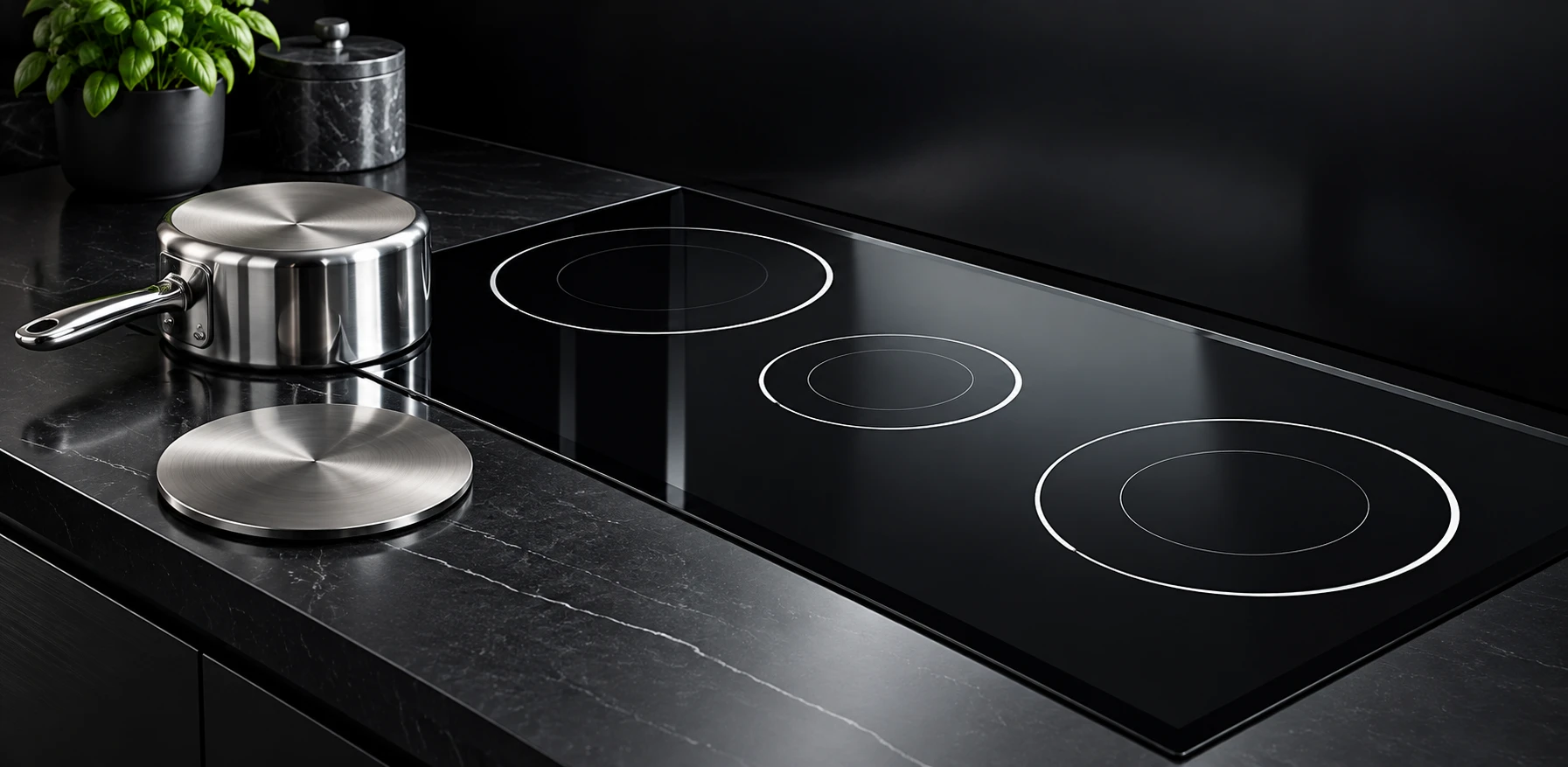
In normal induction cooking, the magnetic field interacts with suitable cookware, making that cookware the heat source. Introducing a converter disc adds a separate component that receives energy and transfers heat to the vessel above it. The US Department of Energy explains the underlying electromagnetic process in its induction cooktop analysis. That general explanation is not an approval for adapter discs.
There are now additional contact relationships to consider: disc against the cooking surface and pan against the disc. Flatness, alignment and stable support become questions for the approved assembly. A pot that looks centered from above may have a much smaller effective contact area underneath. A warped base or a disc handle near another pan can create a practical problem that a diameter measurement alone misses.
It is therefore unwise to promise a universal boiling-time penalty or a fixed efficiency percentage. Those depend on the particular appliance, disc, pan, load and operating conditions. A commercial comparison should disclose its method and approval status rather than attach a precise percentage to every possible converter.
GE Appliances’ transfer-plate guidance is an example of why model-maker restrictions matter. It advises against induction transfer plates on its induction cooking products. This is an appliance-specific position, not a basis for inventing permission for other makes. Read your own documentation and ask the maker when the accessory category is unclear.
Do not resolve contradictory instructions by selecting the more convenient statement. If a disc seller calls an item compatible while the hob instructions prohibit it, treat that as an unresolved incompatibility. Ask the appliance maker in writing, giving the actual model and accessory identity. Keep the answer with the manual so another household member or purchasing colleague does not repeat the same uncertainty later.
| Evidence available | What it establishes | Next decision |
|---|---|---|
| Hob instructions prohibit transfer plates | The accessory category is outside those instructions | Use approved cookware directly; do not run a converter trial |
| Disc listing says universal | The seller makes a broad claim | Seek appliance-specific permission before purchase |
| Pan is not detected without the disc | The original pan and hob need compatibility review | Check approved cookware and detection guidance |
| Hob maker gives written permission | A defined combination may be permitted | Follow every stated condition, without extending it to other models |
This is an evidence checklist, not a table of operating limits. The manufacturer’s instructions supply the applicable restrictions.
A non-detected pan does not automatically mean the glass or electronics are defective. Check whether the pan is approved for induction, whether its effective base suits the zone and whether placement follows the manual. A magnet check can be an initial clue about the base material, but it is not a complete acceptance test for every appliance.
Compare the reasoning in pan-detection checks before replacing glass. That article deals with recognition of cookware; the present decision concerns an extra heated interface. Keeping those questions separate avoids buying an accessory to conceal an unresolved appliance problem.
If approved cookware previously worked and now repeatedly fails, record the displayed message and contact service. Do not use a disc as a way to bypass the symptom. Likewise, do not infer a shared electrical limit from the performance of one pan; power sharing between cooking zones is a different control question.
Send a short, concrete request. Include the hob model, the exact accessory manufacturer and model, its material description, relevant dimensions and the intended cookware. State whether the proposed use is daily cooking, a small specialty vessel or occasional use. Attach the relevant manual passage instead of asking only whether induction adapters work.
Ask whether that accessory category is permitted, which written instructions apply and whether any operating conditions must be met. A response about ordinary cookware is not necessarily an answer about an intermediate disc. If the support reply is ambiguous, clarify the category before treating it as permission.
Keep procurement claims proportionate. A supplier may describe a disc’s construction, but should not promise that every hob will detect it, that it eliminates surface heating or that it protects all glass from damage. Ask for evidence tied to the stated combination, including the scope of any testing. Do not interpret a photograph of a pan on a disc as a documented qualification result.
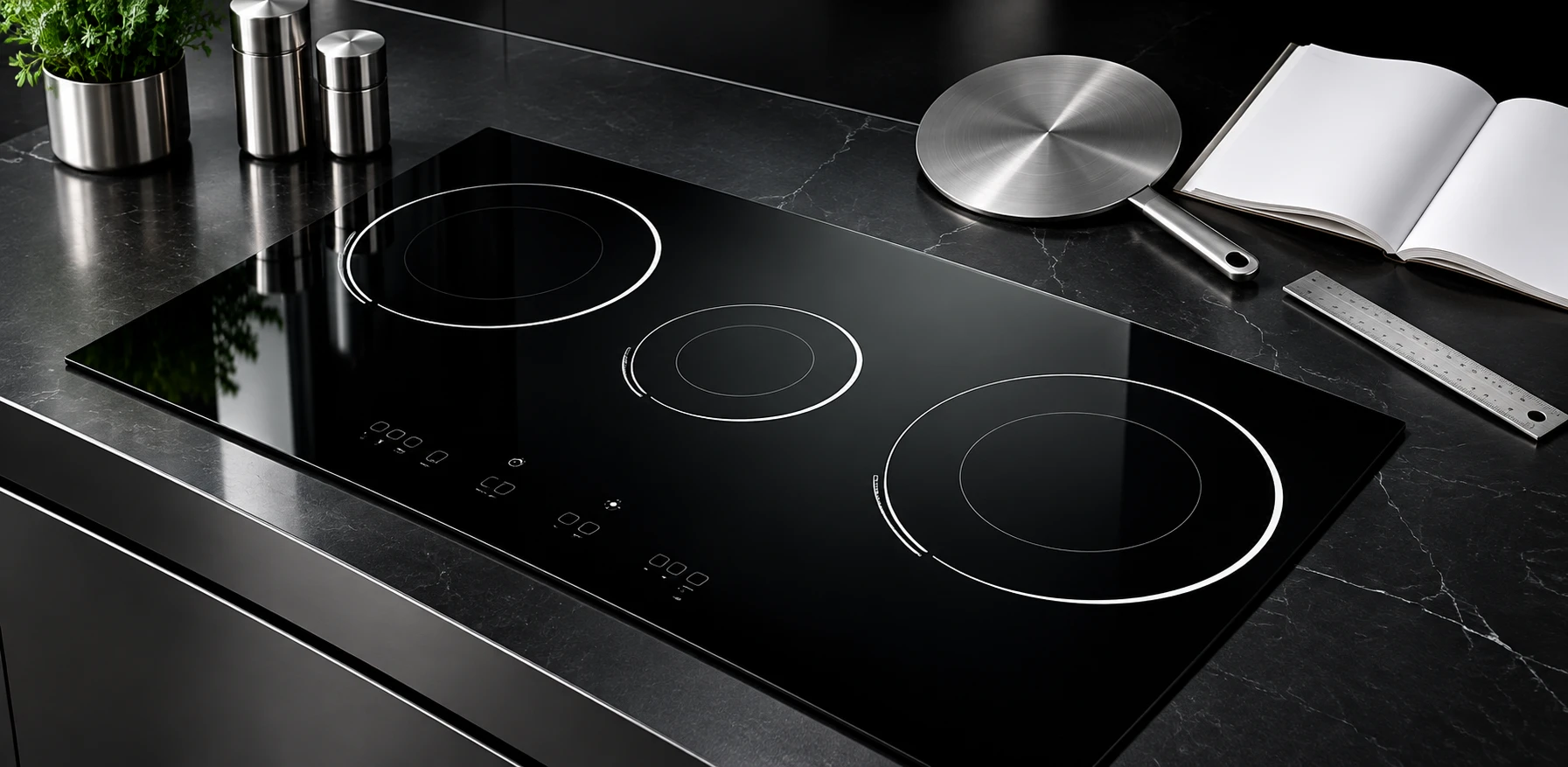
A useful comparison request also lists the ordinary induction-compatible pan you could use instead. Compare the actual cooking task, storage needs and manufacturer support, rather than assuming that keeping one old vessel justifies every added interface. For a specialty pot, ask its maker whether an induction-ready version exists. An approved alternative can remove the need to qualify an intermediate disc at all.
Stop using an unapproved combination and let the appliance follow its normal cooling process. Treat the disc and cookware as potentially hot after switch-off. Do not lift an unfamiliar accessory by an assumed cool handle or place it on a surface that is not intended for hot objects. Follow its instructions and the hob maker’s advice.
When the hob is safe to inspect, note any error, visible crack, unusual mark or change in operation. A clean appearance is not proof that an unapproved accessory is compatible. Conversely, a mark alone does not establish the cause of damage. Photograph it and report what was actually used, for how long and on which zone, without inventing a temperature history.
If there is cracked glass, stop using the appliance and seek qualified service guidance. Do not run another high-power test to demonstrate that it still works. A cooking surface is part of an appliance assembly, and visual resemblance to another panel does not establish replacement suitability.
A panel buyer evaluating foreseeable accessory use should distinguish material documentation from appliance validation. The ceramic cooktop glass overview provides material context, while the controlled assembly specification defines the finished product’s requirements. Record the panel drawing, mounting arrangement and the appliance team’s approved use conditions.
For a review meeting, create one row for each proposed accessory rather than one general statement that the panel is heat resistant. Assign an owner to confirm the instruction set and another to confirm that the supplied sample matches the documented version. This prevents a later substitution in disc material, base geometry or handle arrangement from inheriting an earlier approval without review.
If a test is required, let the responsible appliance engineering team define it and its acceptance criteria. A kitchen experiment is not a substitute for product qualification. Record the actual setup, observations and exceptions, and avoid presenting editorial illustrations as measured thermal data or customer evidence.
The educational video below explains induction cooking and the importance of the cooking vessel. Use it to understand the basic heating mechanism, not as permission to add a converter disc. This article’s practical recommendation remains to follow the exact appliance instructions and use approved cookware directly when permission is absent.
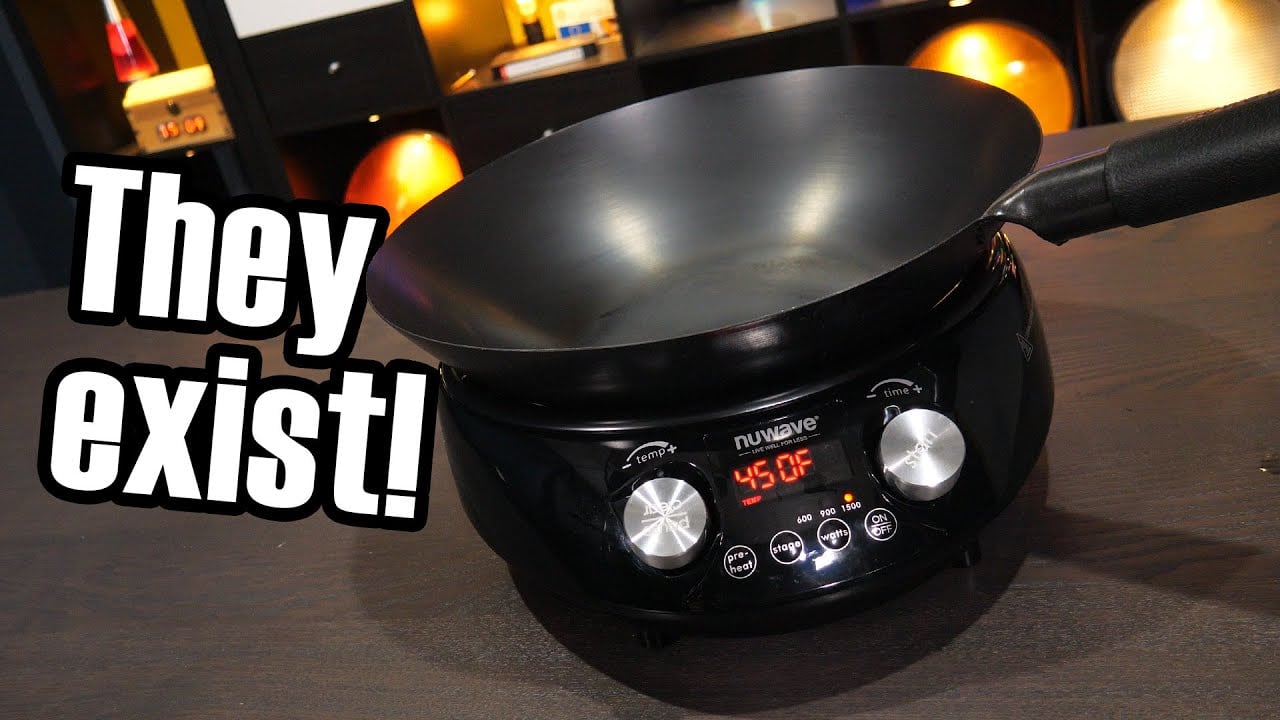
Video: Induction cooking – but what about woks?, Technology Connections. Open the educational video on YouTube.
No. It introduces a separate heated interface, and the complete combination still needs appliance-maker permission and suitable operating instructions.
No. A seller’s broad claim does not override the restrictions for the particular appliance.
Do not assume that. Heated cookware and an intermediate metal disc can transfer heat to the cooking surface.
First check approved cookware and the manufacturer’s detection guidance. Do not bypass an unresolved fault with an unapproved accessory.